
24-27 Jun 2008, Tallin (Estonia), inkl. Ministerial Conference: Health and Wealth
- 25 Jun 2008, inkl. Kunstmuseum
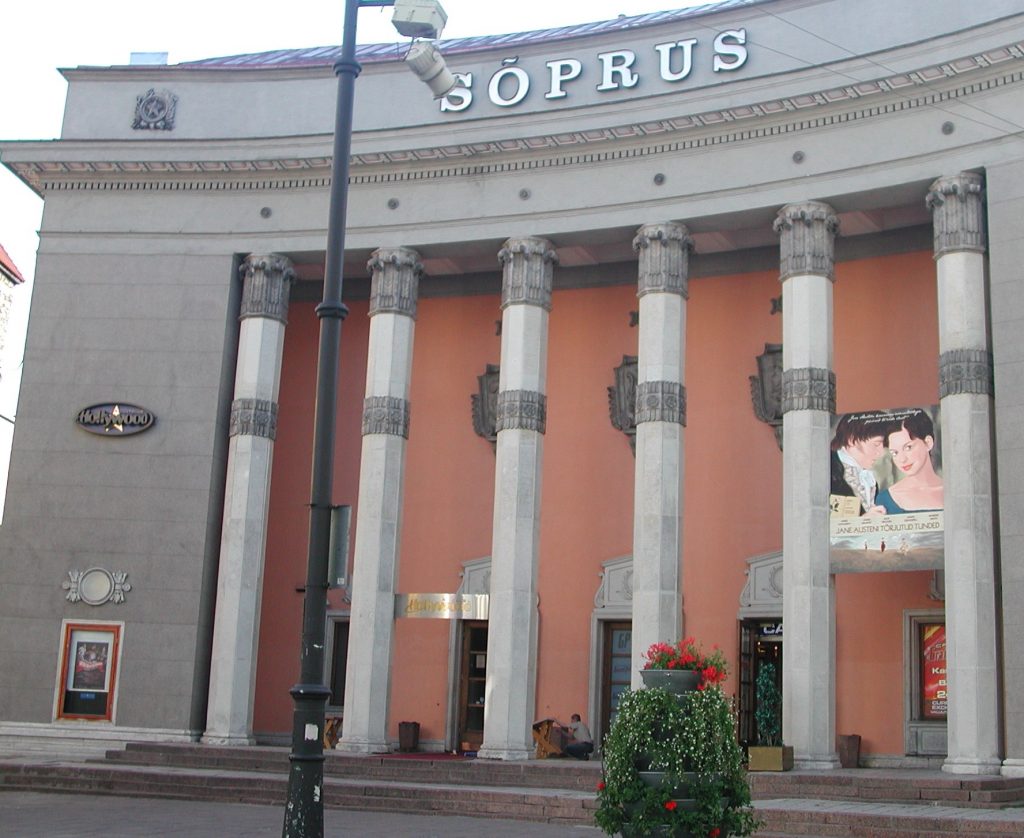
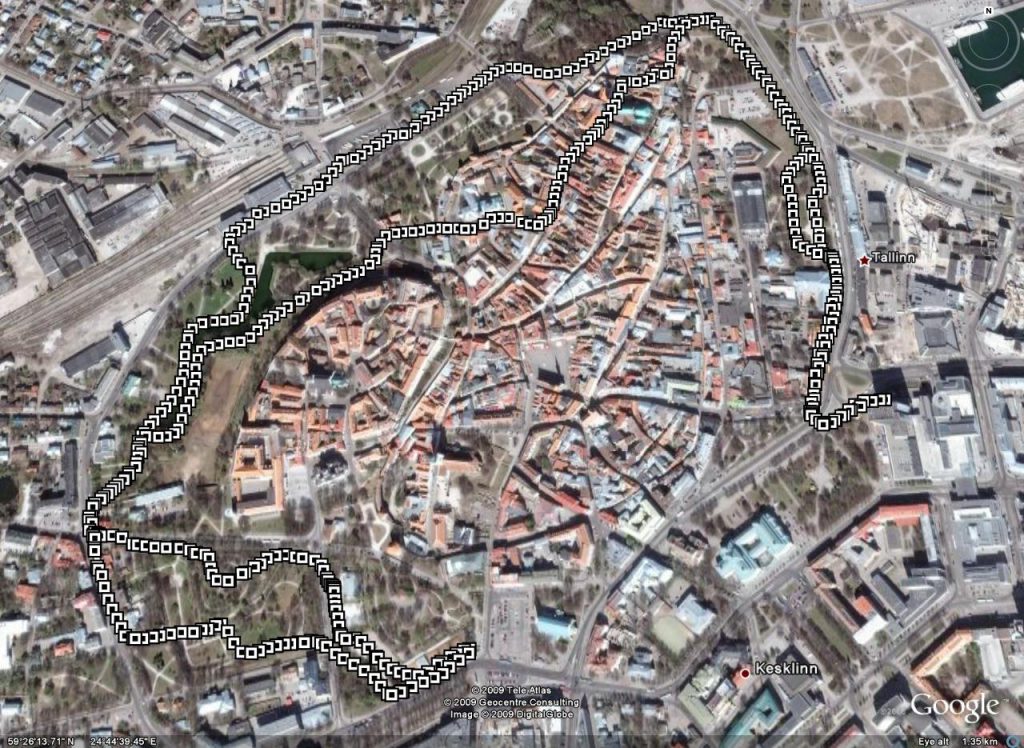
- 26 Jun 2008, inkl. Stadtrundgang; Kino Soprus (Stalin-Bau)
- 27 Jun 2008, inkl. WHO “Regions for Health” (RHN) Satellite event „Decentralization“ [08-51]



- Rückflug via Riga (Lettland), mit Kurztrip zu Jugendstilhäusern


WHO European Ministerial Conference on Health Systems: “Health systems, health and wealth” / Europäische Ministerkonferenz der WHO zum Thema Gesundheitssysteme: “Gesundheitssysteme, Gesundheit und Wohlstand“, Tallinn, Estonia/Estland, 25.-27.6.2008
[08-51] From my personal conference report, prepared espec. for the Regions for Health (RHN) network members / Aus meinem persönlichen Konferenzbericht, der insbes. für die Mitglieder des Regions for Health (RHN) network angefertigt wurde (10.7.08):
- Conference overview, purpose: This conference convened ministers (and ministerial representatives) responsible for health, finance and economic affairs …, health systems experts, observers and representatives of international and civil society organizations … Health systems should be effective in contributing to better health throughout the population, responsive to people‘s expectations and the specific needs of all population groups, and fair in how contributions to funding the system ensure that everyone has access to the services available … the Conference intended to: • explore how well-functioning health systems contribute … also to wealth and economic development … • investigate how productive investment in health systems has the potential to contribute to both economic development and social welfare … hosted by the Government of Estonia … several hundred conference participants … 34 interpreters.
- 2. Conference preparation and documents: … eight Working documents, five Background documents (three shorter documents plus two background studies …), nine Policy briefs, five Charter documents, six documents on Pre-Conference events, and eight Background materials.
- 3. Conference program:… Pre-conference event … The conference itself consisted of three main sessions: (1) “Health systems, health and wealth: Revisiting conventional thinking”, with keynote speeches and ministerial panels, (2) “Health systems: technical aspects”, with four strands of parallel sessions, and (3) “Health systems, health and wealth: A political viewpoint”, again with keynote speeches and ministerial panels … Keynote speakers included Margaret Chan (WHO Director-General), Marc Danzon (WHO Regional director for Europe), Armin Fidler (World Bank), Josep Figueras (European Observatory on Health Systems and Policies) … There were six satellite sessions …
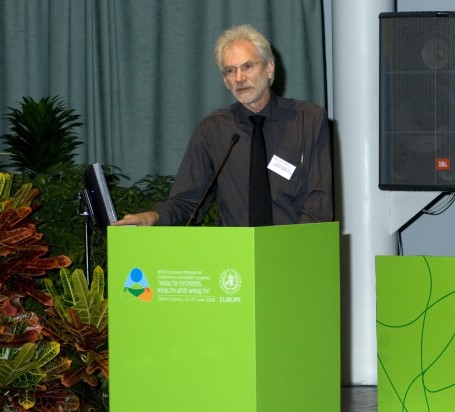
- 4. “Regions for Health network” (RHN) involvement in the conference: … RHN … was allowed to organize one of the six satellite sessions: “Health systems decentralization in the WHO European Region – Regional perspectives”, on Friday, 27 June 2008 … in the Green room (Winter Garden). Languages were English and Russian (simultaneous translation). Goal of the session was to focus on the link between health and wealth at the regional (sub-national) level, in order to make a substantial contribution to improving the health of citizens … The presentations were given by Dr. Marianna Pénzes, Chair, Secretariat of the WHO Regions for Health Network, Health Faculty of Debrecen University, Hungary, and by Professor Rainer Fehr, WHO Collaborating Centre for Regional Health Policy and Public Health, Institute for Health and Work (LIGA.NRW) Bielefeld, Germany … the Ten Theses on Regional Health and Wealth are the following:
- Regions are active promoters for better health
- Good health is a responsibility of the regions
- Healthy people are the key to a productive economy
- Health industry is in a paradigm shift – yesterday a burden, tomorrow an opportunity for the economy
- Health industry is an incubator of employment, technological progress and innovation
- Health industry generates income – to the benefit of the local economic cycle
- Procurement stands between local markets, modern management and (inter-)national champion
- Quality and innovation in health services need the regional base
- International mobility of health care providers and consumers carries both risks and benefits
- Health and wealth must be thought anew.
… the network had prepared a paper explaining and interpreting the theses (RHN 2008: Ten Theses on Regional Health and Wealth, 20 pp.) as well as a Technical report for the conference (RHN 2008: Health and wealth regional perspectives – The contribution of regions to health and wealth, 30 pp.). These two papers together with additional materials were provided on CD-ROM to session participants … the RHN entertained an exhibition stand which featured posters (RHN basic info, a RHN members map, an announcement of the satellite session, and the ten theses. Handout materials included the RHN flyer (updated, 27 regions) … several RHN Newsletter editions, and a brochure on Subregional Health Policy and Strategy project (2002).
- 5. Tallinn Charter [www.euro.who.int/en/media-centre/events/events/2008/06/who-european-ministerial-conference-on-health-systems/documentation/conference-documents/the-tallinn-charter-health-systems-for-health-and-wealth], The major output from the conference is the “Tallin charter: Health systems for Health and Wealth” …. objectives …: to provide guidance and strategic framework for strengthening health systems, improving health, contributing to wealth, economic development, and social well-being; and to foster political commitment and action, while recognizing the diversity of health systems and policy contexts in the Region … The charter contains “commitments to act”. It says: “We, the Member States, commit ourselves to: • promote shared values of solidarity, equity and participation through health policies, resource allocation and other actions, ensuring due attention is paid to the needs of the poor and other vulnerable groups • invest in health systems and foster investment across sectors that influence health … promote transparency and be accountable for health system performance … • make health systems more responsive to people’s needs, preferences and expectations … • engage stakeholders in policy development and implementation • foster cross-country learning and cooperation … • ensure that health systems are prepared and able to respond to crises …”
- 6. Conclusions for RHN: … Building on the ten theses, regions could … try to adapt from national to regional level, incl. the following aspects: • Health & wealth interaction on regional level, incl. estimating (micro-, macro-)economic costs of ill health in regions • Assessing the impact of regional health systems, incl. health systems assessment and performance measurement … • Exchanging experiences concerning regional “Health in all Policies” activities … RHN could consider to go for closer cooperation with key Public Health institutions, including, e.g., the London School of Hygiene and Tropical Medicine, the European Observatory on Health Systems, and the WHO Veneto Office for Investment for Health and Development …
- 7. Misc.: As for climate impact of the conference, no indication in the materials or presentations was found … For the speakers of the RHN satellite session, the CO2 exhaust caused by air travel was compensated via www.myclimate.ch.
- Appendix A.1 Tallinn conference Electronic information sources: …
- Appendix A.2 Excerpt from Dr. Chan’s keynote speech (Dr. Margaret Chan, WHO Director-General: Keynote speech in session 3 – Health systems, health and wealth: A political viewpoint; Selected unauthorized transcription from www.whoconference2008.org/): “… all countries are seeking ways to get other sectors to pay greater attention to the impact their activities have on health … As I said, you know, Mr. Prime Minister […], this morning …: You are the only man in this country who hosts the power to tell the Minister of Transport, the Minister of Environment and the Minister of Education to put in place the right kind of policies that are “pro health” and that are “pro poor”. Minister of Health […], I need to beg your indulgence and excuse, you don’t have this power. Right? … how come so often our evidence won’t work? We the technicians …, we fail to argue our case … we must escalate health to the highest possible political level to get the support of Prime Ministers and Presidents …”
- Appendix A.3 Background documents, policy briefs etc.: … Background documents: 1. Suhrcke et al. (2008): The economic costs of ill health in the European region (24 pp.), 2. Smith et al. (2008): Performance measurement for health system improvement (20 pp.), 3. Figueras et al. (2008): Health systems, health and wealth: Assessing the case for investing in health systems (64 pp.). Policy briefs: • How can European health systems support investment in and the implementation of population health strategies? • How can the impact of health technology assessments be enhanced? … How can chronic disease management programmes operate across care settings and providers? … •Do lifelong learning and revalidation ensure that physicians are fit to practise? …
Satellite session 6, Health systems decentralization in the WHO European Region. Regional perspectives
Presentations RF
Part 1: Health systems decentralization in the European region – Regional perspectives.
Part 2: 10 Theses on Regional Health and Wealth. “Regions invest in health – and it pays off for both people and the economy.”
Part 3: RHN: Annual conferences.


 Human ecology and health