
13.-16.9.2024, Trieste / Triest
Trieste, https://en.wikipedia.org/wiki/Trieste: … capital … of the autonomous region of Friuli-Venezia Giulia … located at the head of the Gulf of Trieste, on a narrow strip of Italian territory lying between the Adriatic Sea and Slovenia …The city has a long coastline and is surrounded by … karstic areas … belonged to the Habsburg monarchy from 1382 until 1918 … Trieste was its most important seaport. As a prosperous trading hub in the Mediterranean region, Trieste grew to become the fourth largest city of the Austro-Hungarian Empire (after Vienna, Budapest, and Prague). At the turn of the 20th century, it emerged as an important hub for literature and music … the Free Territory of Trieste became a major site of the struggle between the Eastern and Western blocs after the Second World War … intersection of Latin, Slavic and Germanic cultures … home to diverse ethnic groups and religious communities … A scholarly area, Trieste has the highest percentage of researchers, per capita, in Europe … Città della bora (“City of the bora”), Città del vento (“City of Wind”), “Vienna by the sea” and “City of Coffee” are epithets used to describe Trieste.
Ziliotto, Donatella (1963): Illustrierter Führer von Triest und Umgebung. Deutsche Bearbeitung von Wilhelm Weldin. Unter den Auspizien des Fremdenverkehrsamtes der Provinz Triest. Verlag des Stabilimento Tipografico Nazionale, Triest, 3. Aufl., p.11: „An Triest … sind Renaissance, Barock und Rokoko fast spurlos vorübergegangen. Erst als die Stadt Anfang des neunzehnten Jahrhunderts mächtig aufzuholen begann, hatte sie das Glück, die letzte große historische Stilperiode nicht zu versäumen: den Klassizismus, dessen immanente Latinität wie für ihren geistigen Habitus zurechtgeschnitten war … Das transzendente Symbol … Triests ist seine Kathedrale … San Giusto … (p.12) Die Stadt … in einen der schönsten Golfe der Welt hineingestellt … Das achtzehnte Jahrhundert brachte der Stadt den entscheidenden Eingriff des Hauses Habsburg in ihre Angelegenheiten, der ihre kulturelle Entwicklung für ein Jahrhundert aus dem Geleise brachte … waren die Habsburger an Triest nur wirtschaftlich und machtpolitisch interessiert … … … (pp.13-14) in der kurzen Spanne zwischen 1912 und 1914 entstanden in Triest zwei der bedeutendsten Werke der modernen Weltliteratur: der „Ulysses“ von James Joyce und „Duineser Elegien“ von Rainer Maria Rilke …“
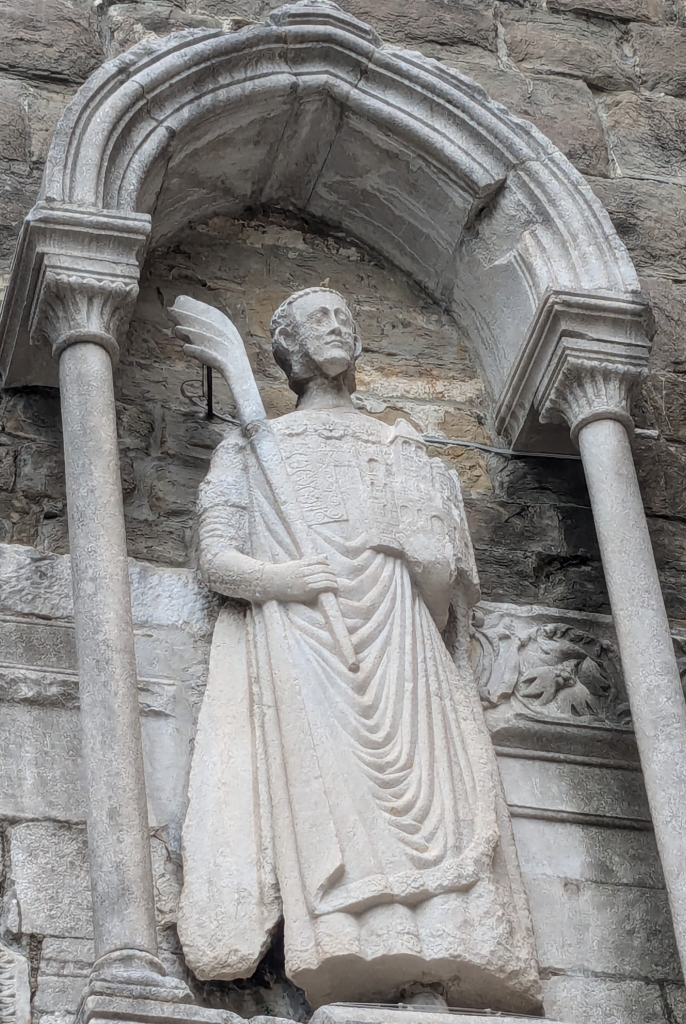
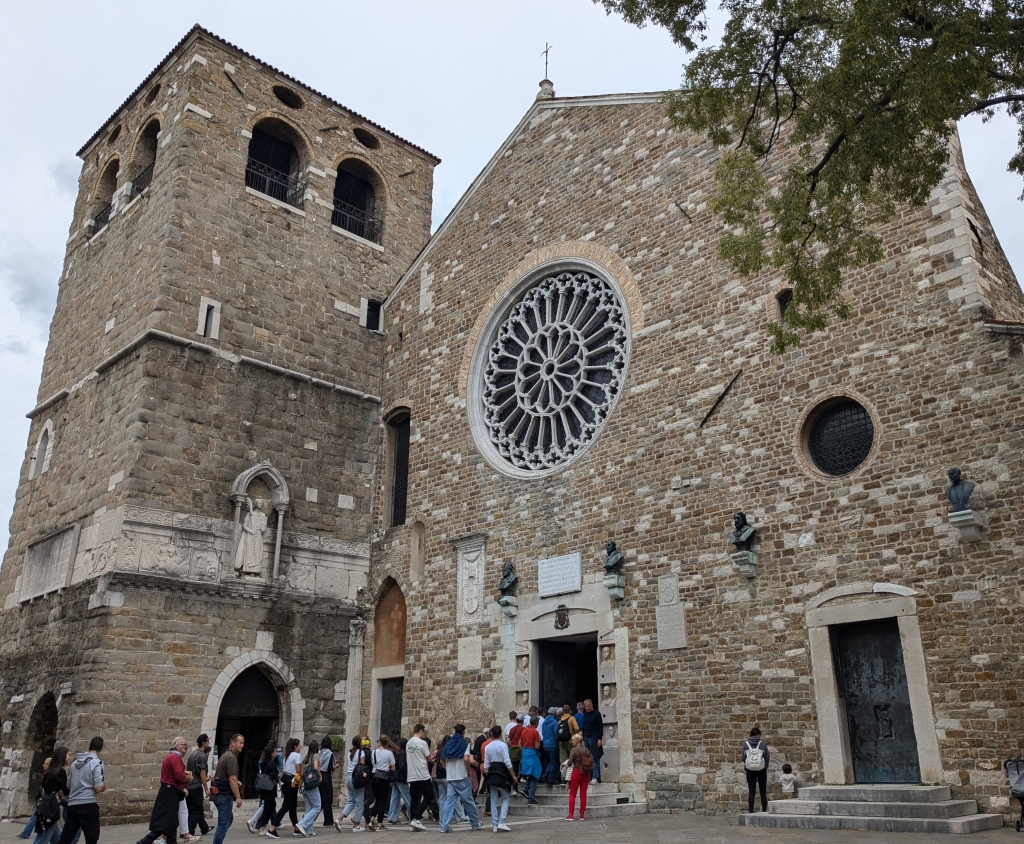
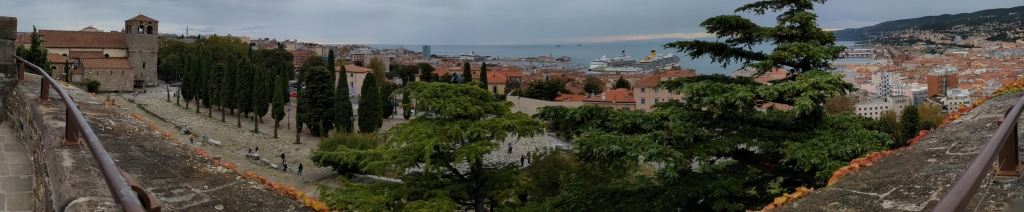
Castello di San Giusto & Vistas, incl. Cattedrale di San Giusto, Castello di San Giusto, San Giusto with town model

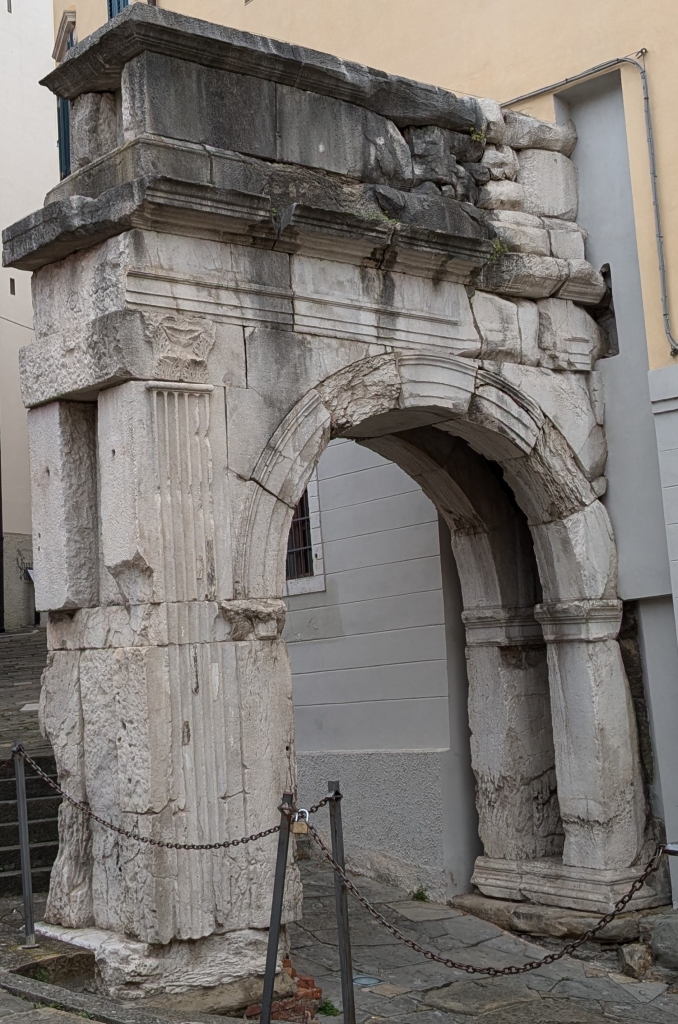
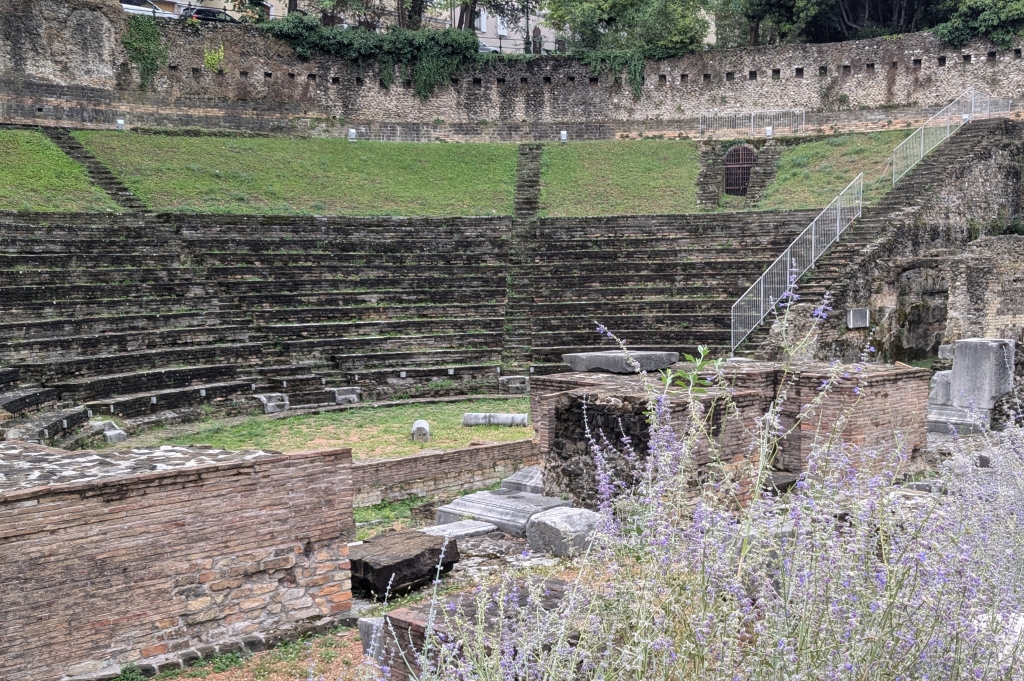
Roman Traces incl. Arco di Riccardo / Richardsbogen; Roman Forum (with Medusa); Teatro Romano

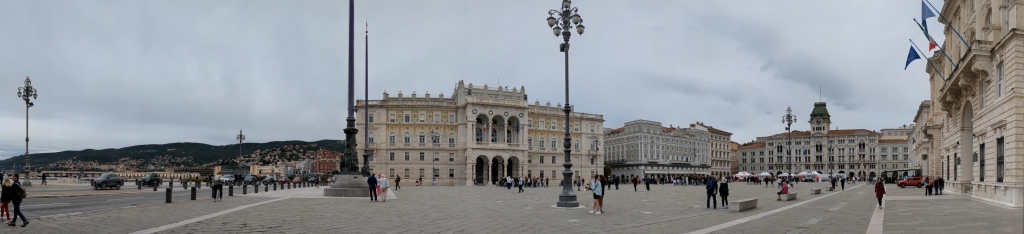
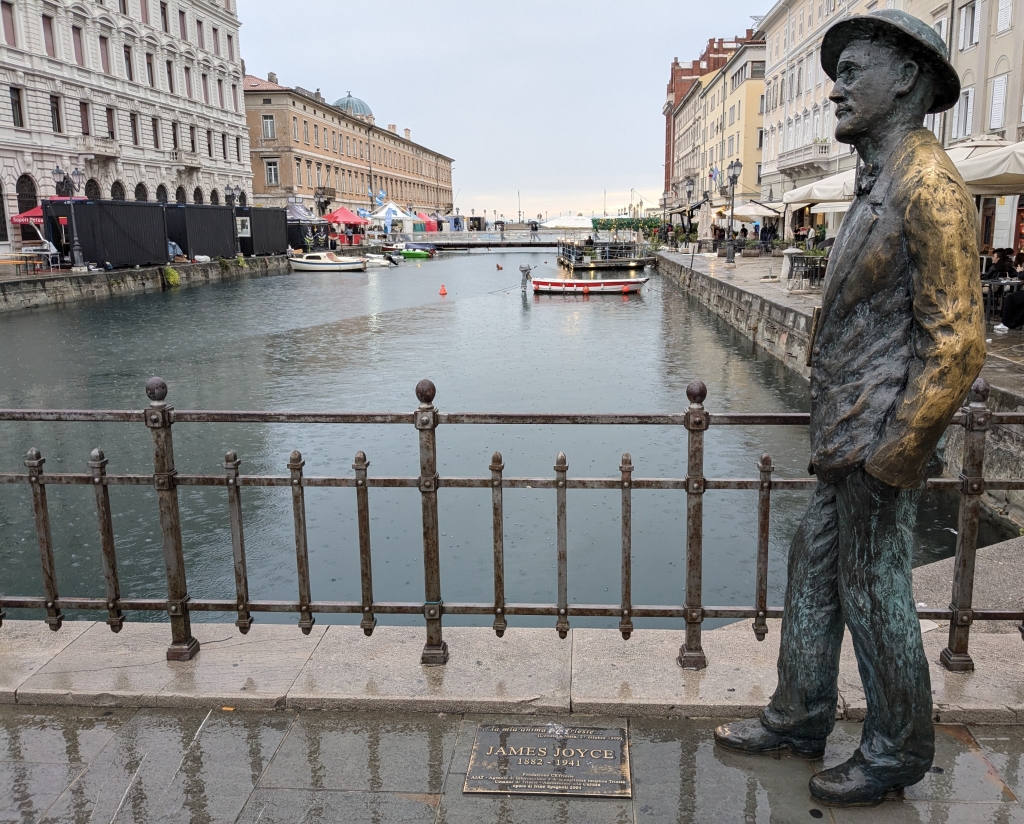
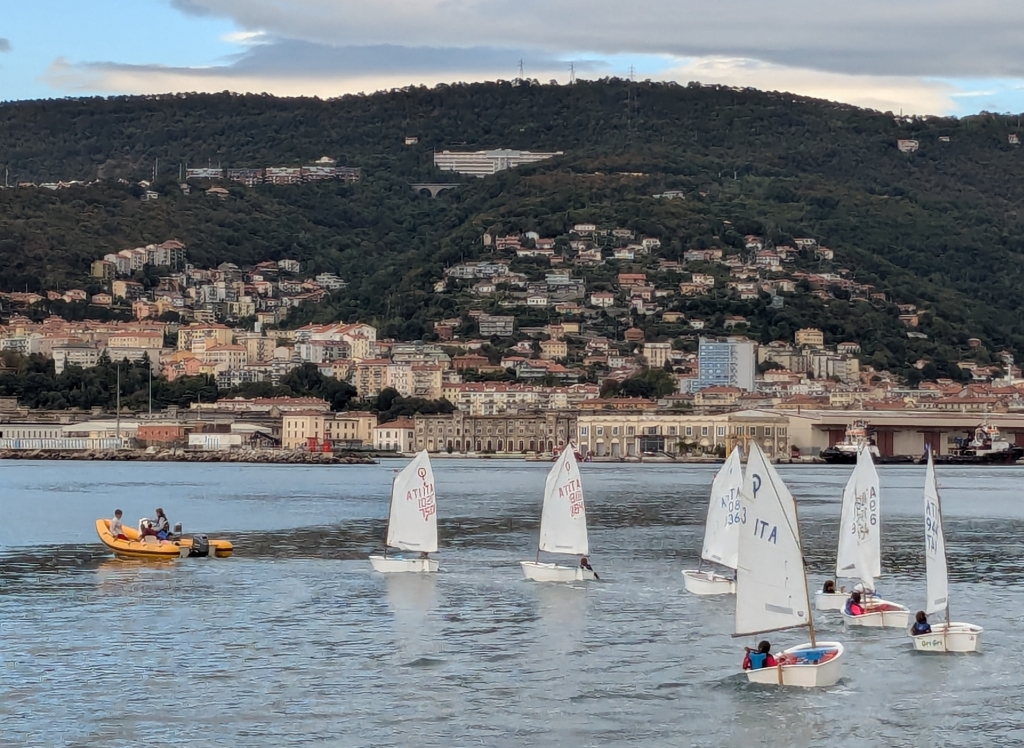
By the seaside, incl. Piazza Unità, Canal Grande (with James Joyce), Molo Venezia, Piazza Venezia (with Massimiliano)

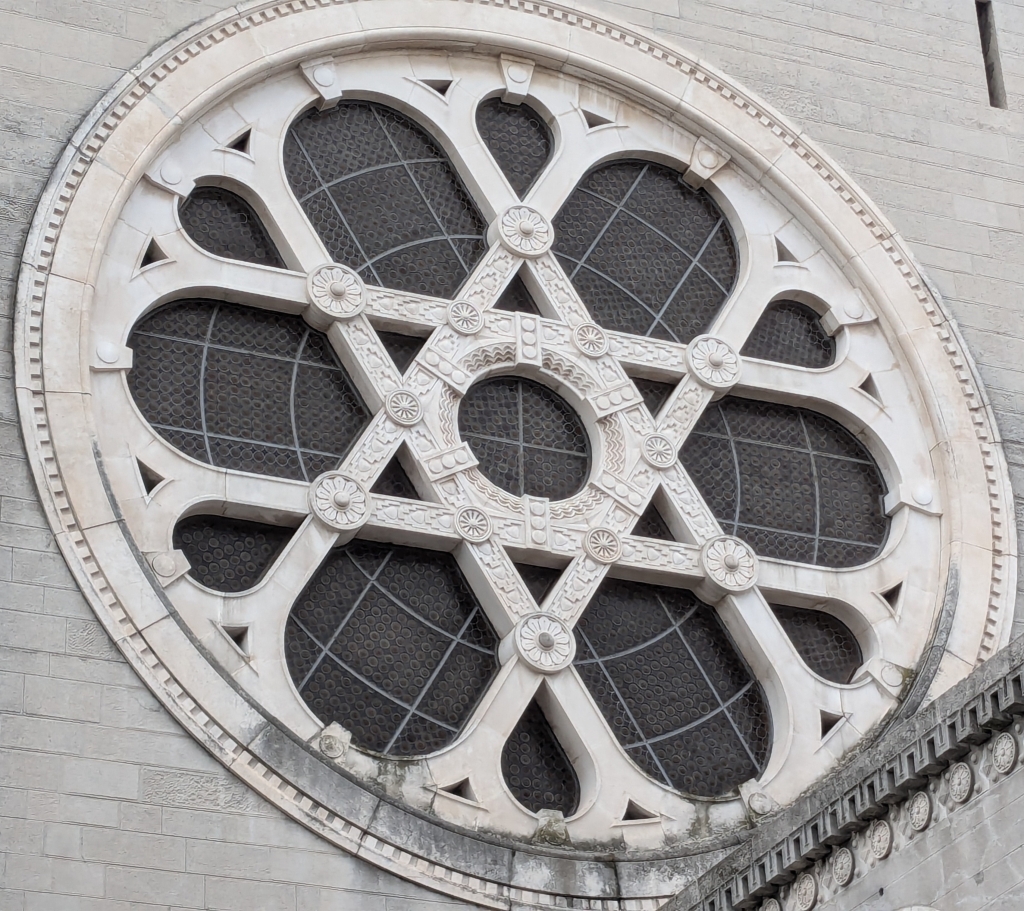
Other places, incl. Santa Maria Maggiore, San Silvestro, the Jewish Ghetto, Via del Donato at Via del Crocifisso (cf. 1967)

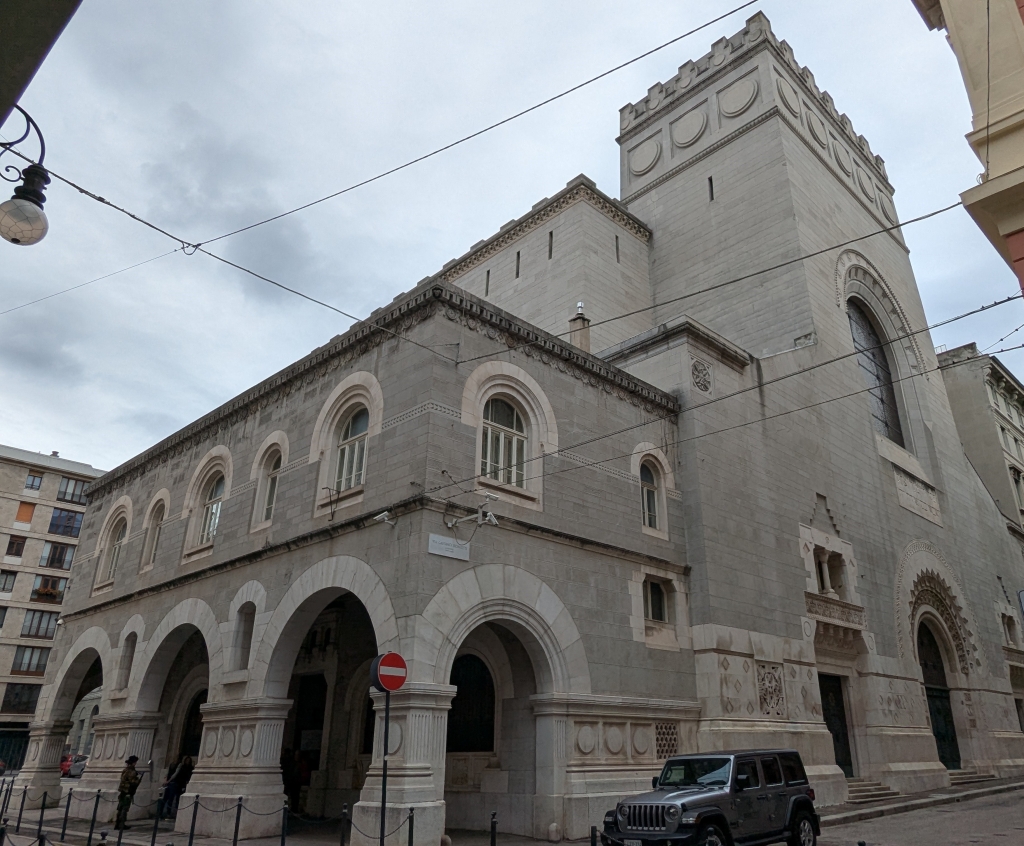
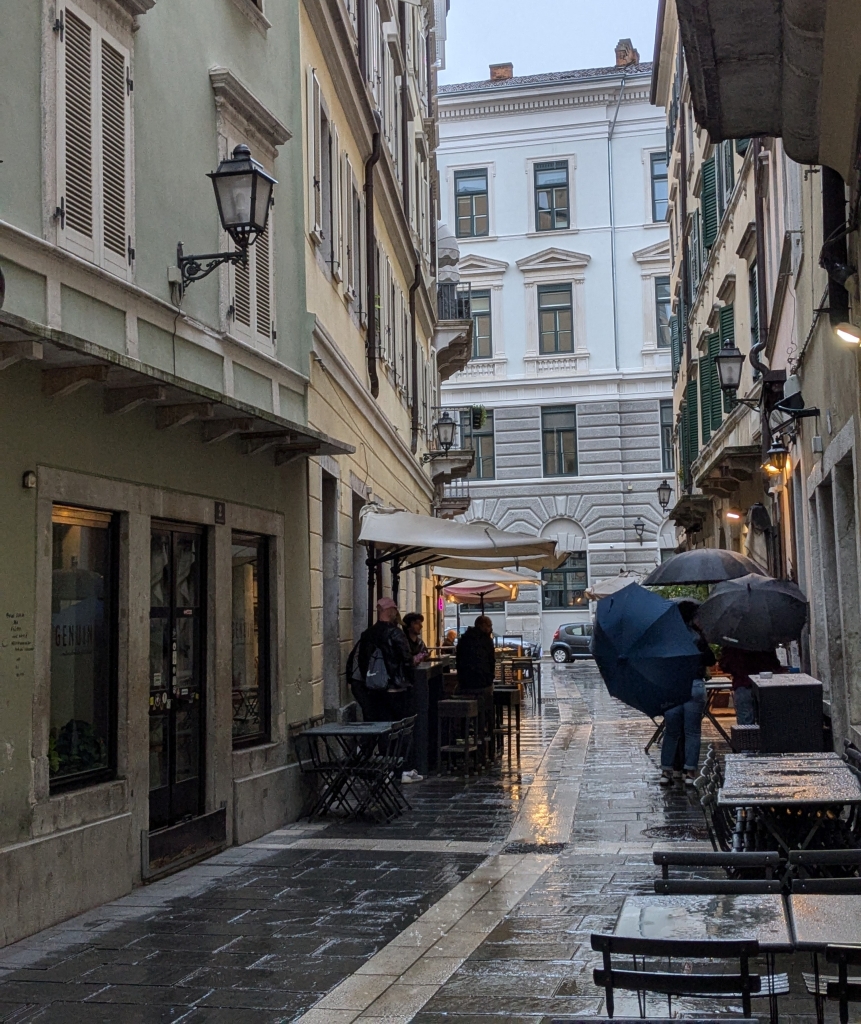
1967 – 2024, same place: Via Donato at Via del Crocifisso
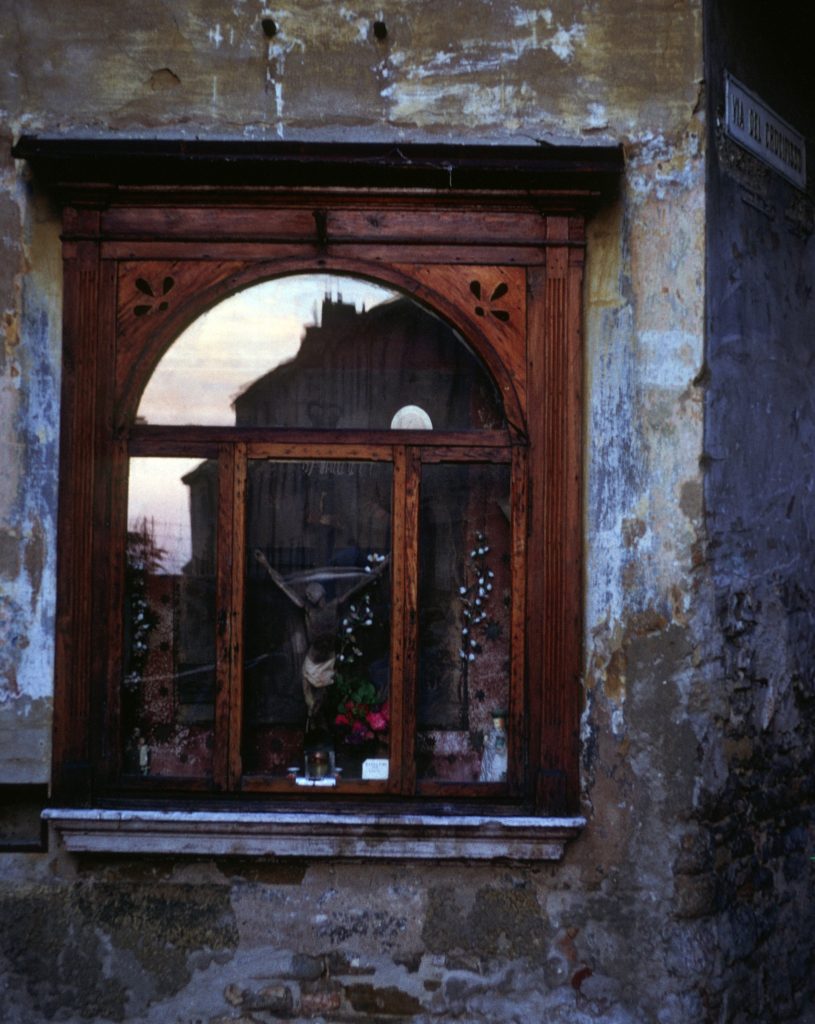
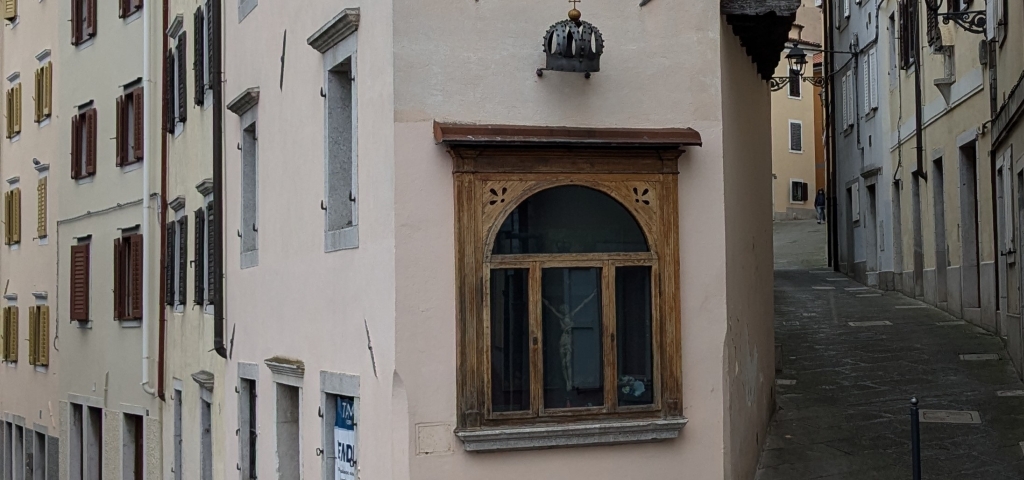
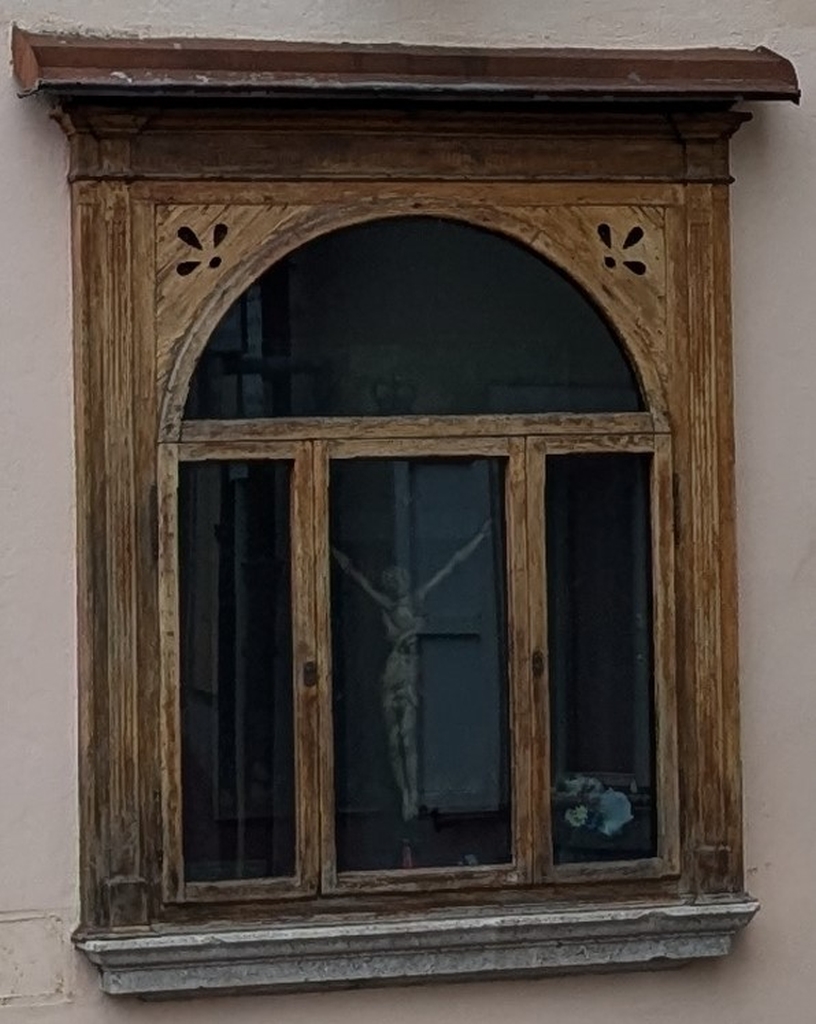
Cf.: 1967_09 Herbstreise Triest.
 Human ecology and health