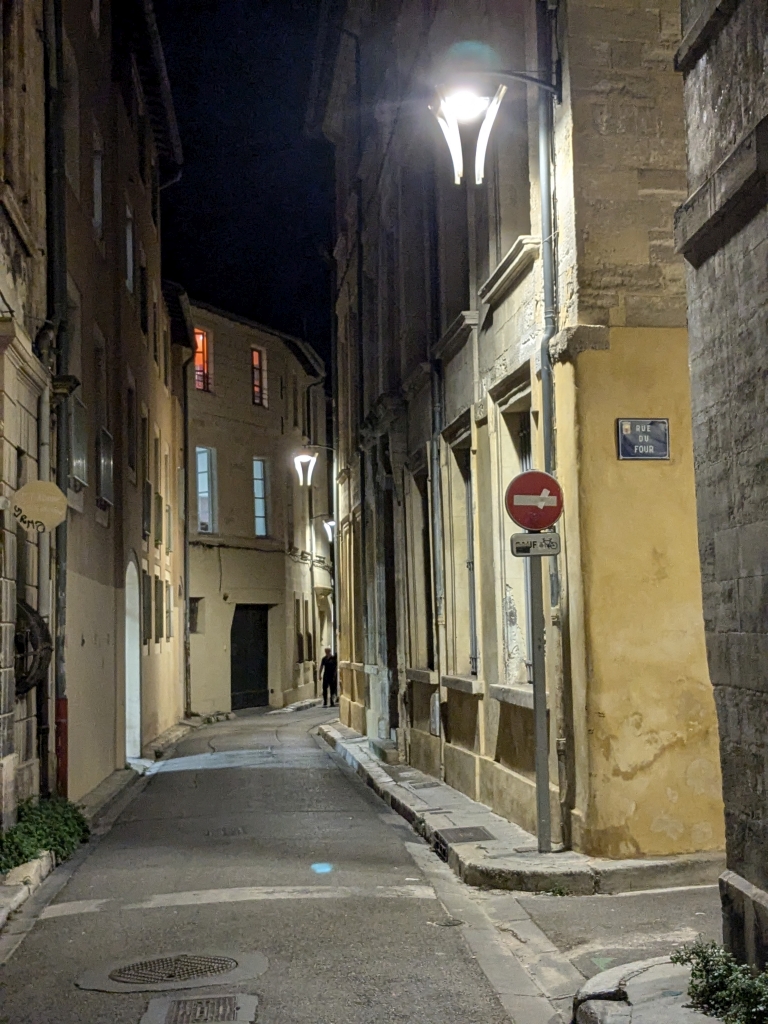
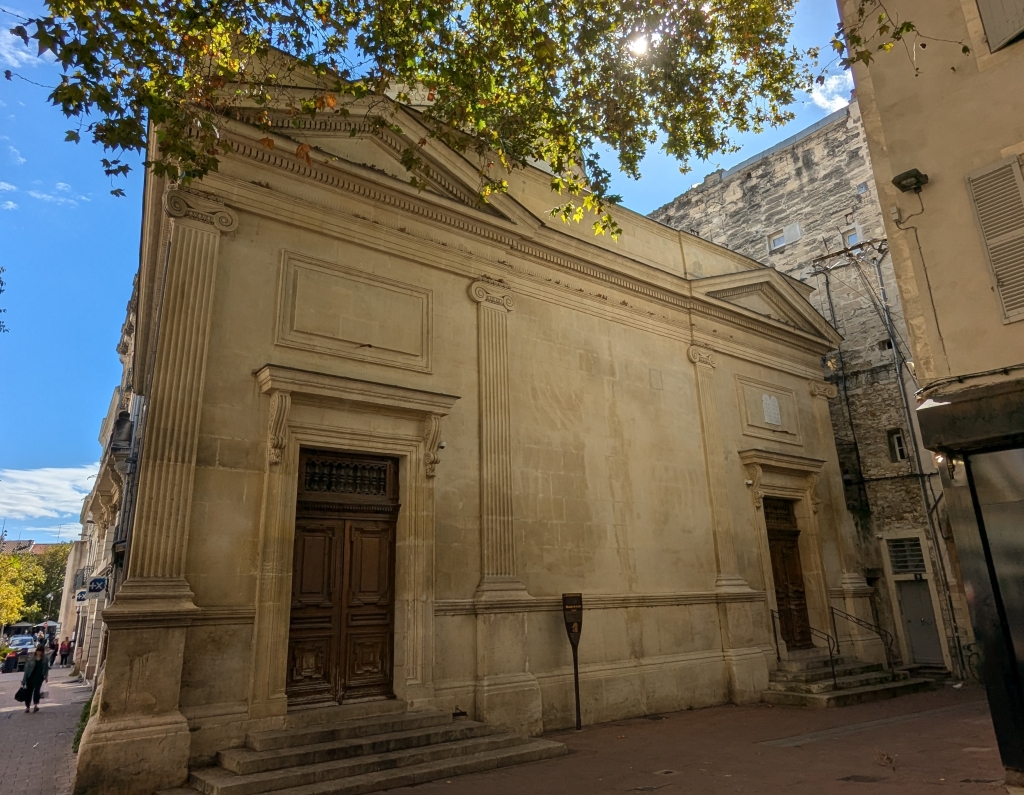
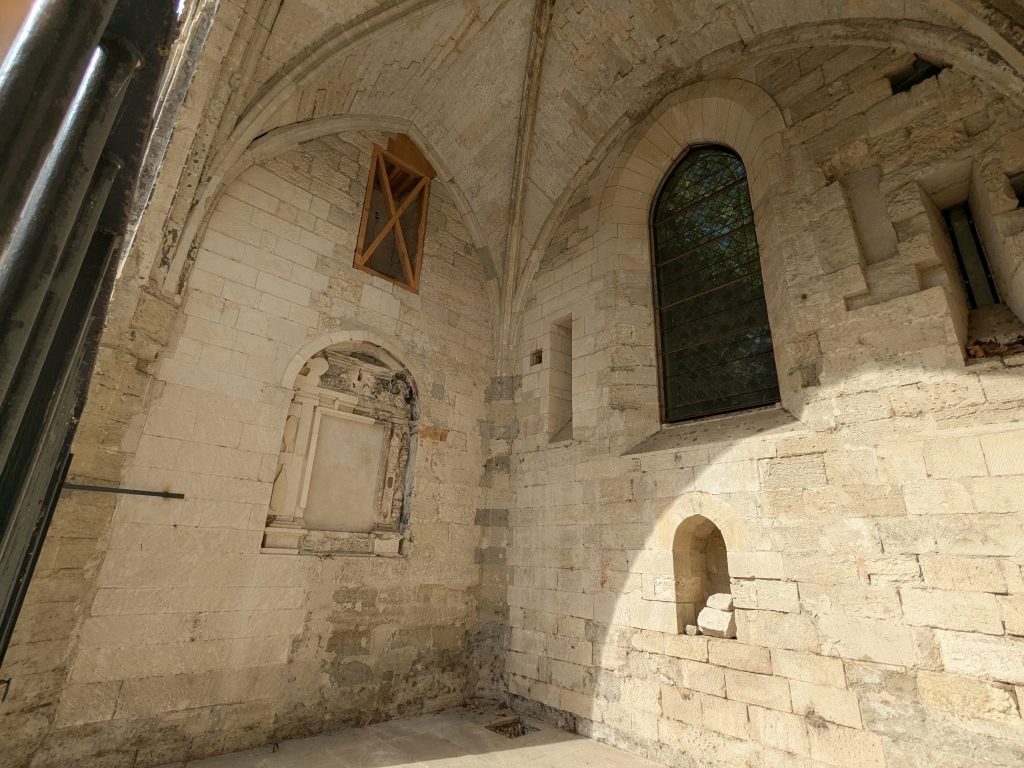
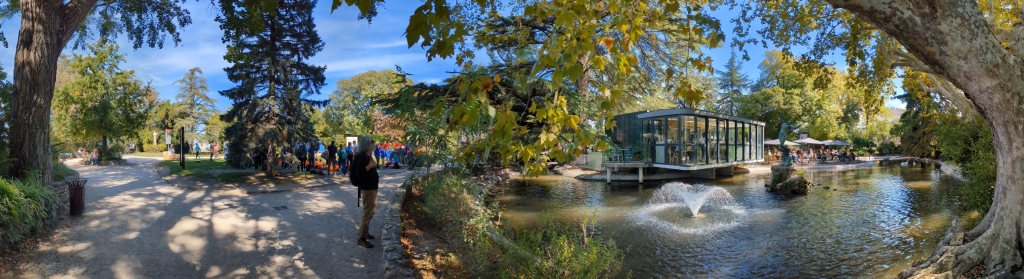
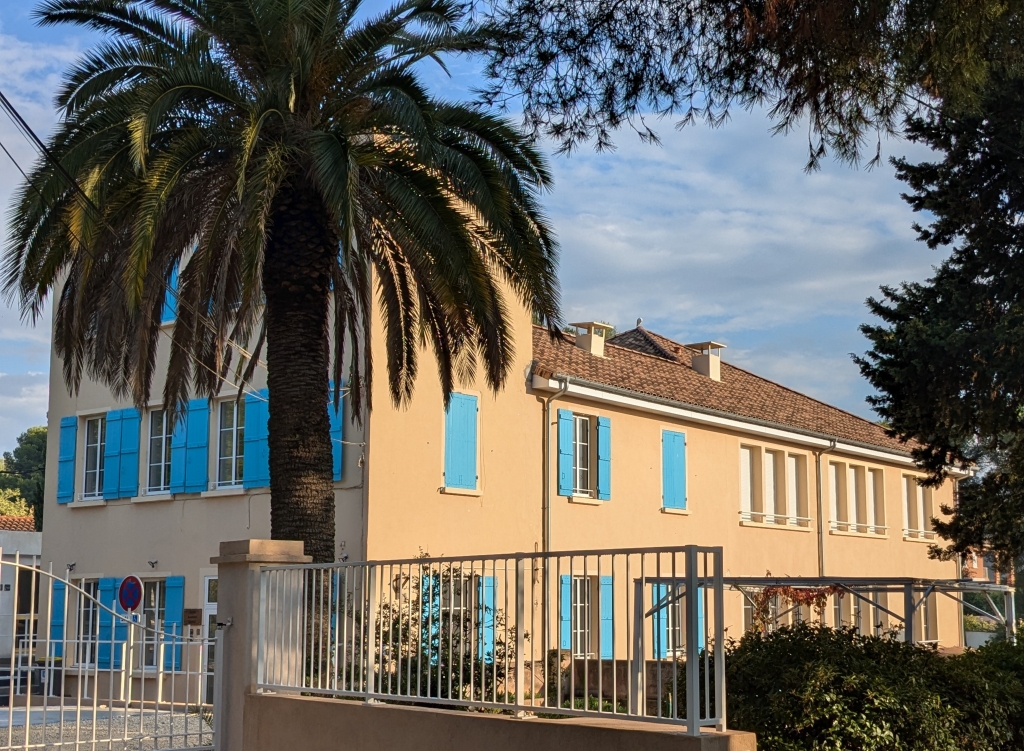
25-30 Sep 2024, ♣ Avignon incl. Palais des Papes & Les Jardins

25.-30.9.2024, Avignon incl. Palais des Papes & Les Jardins


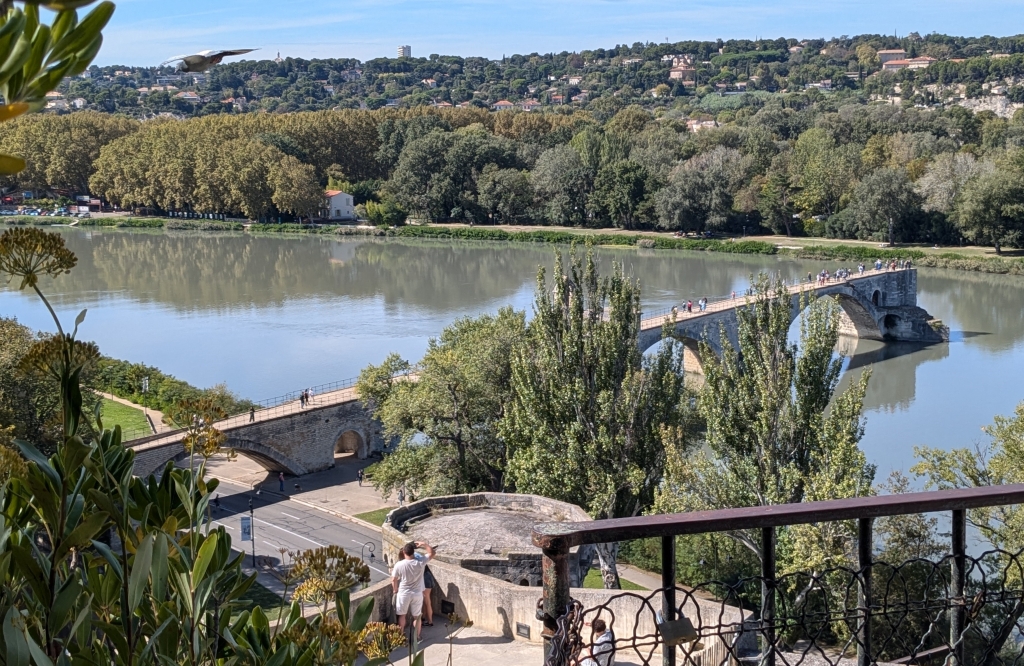
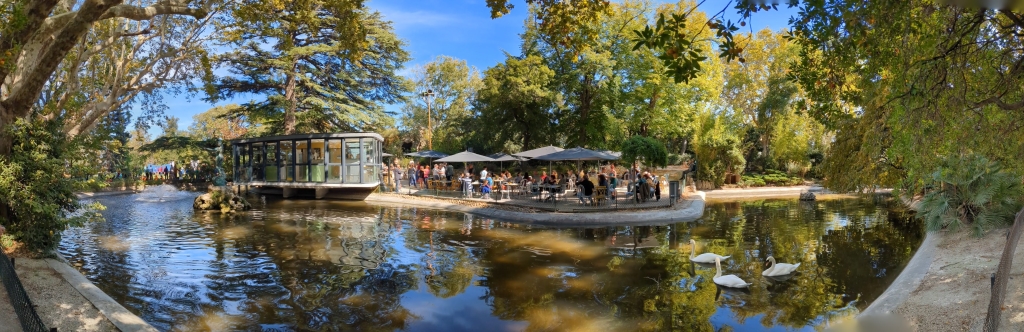
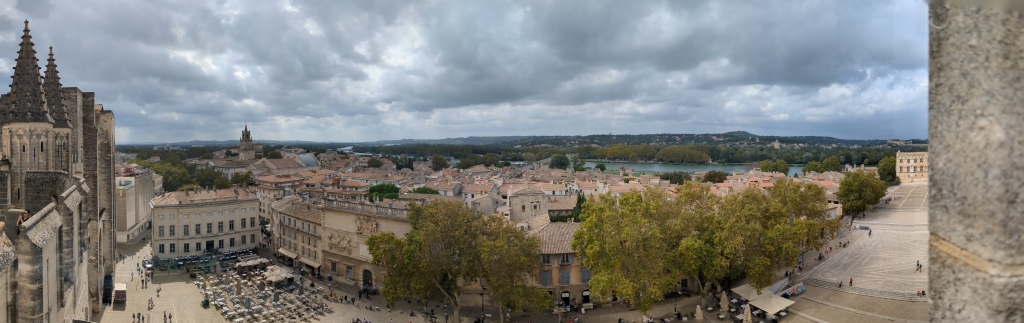
Parc du Rocher des Doms:


Avignon, https://en.wikipedia.org/wiki/Avignon: … Located on the left bank of the river Rhône … Between 1309 and 1377 … seven successive popes resided in Avignon … one of the few French cities to have preserved its city walls … The historic centre, which includes the Palais des Papes, the cathedral and the Pont d’Avignon, became a UNESCO World Heritage Site in 1995 …


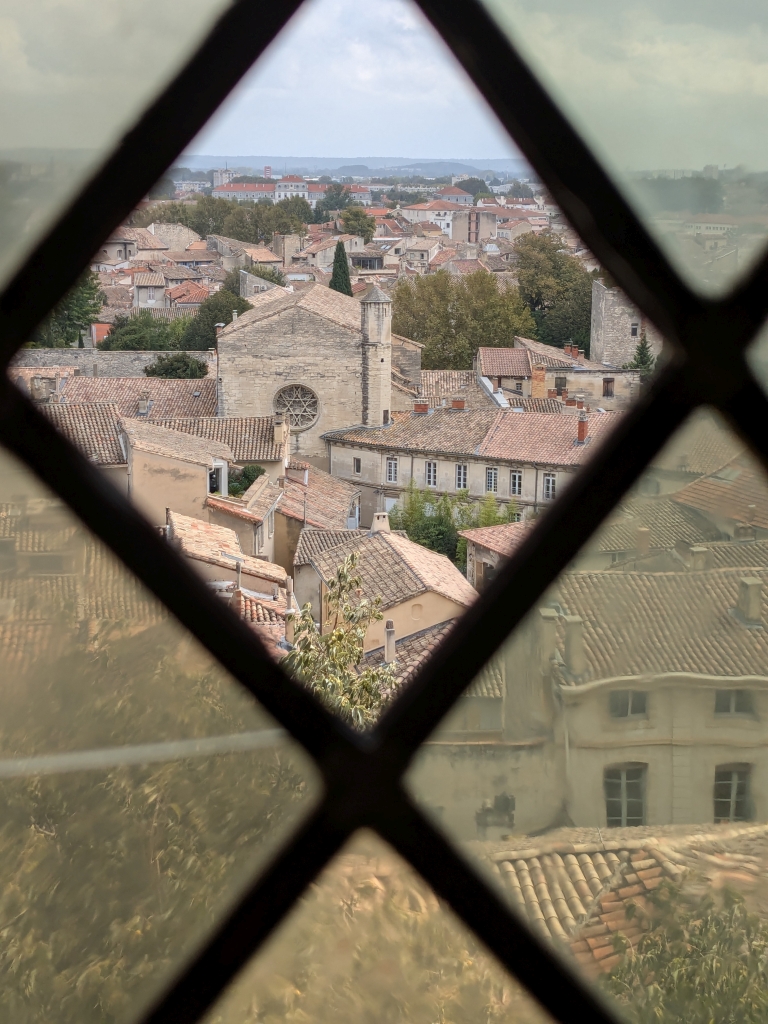
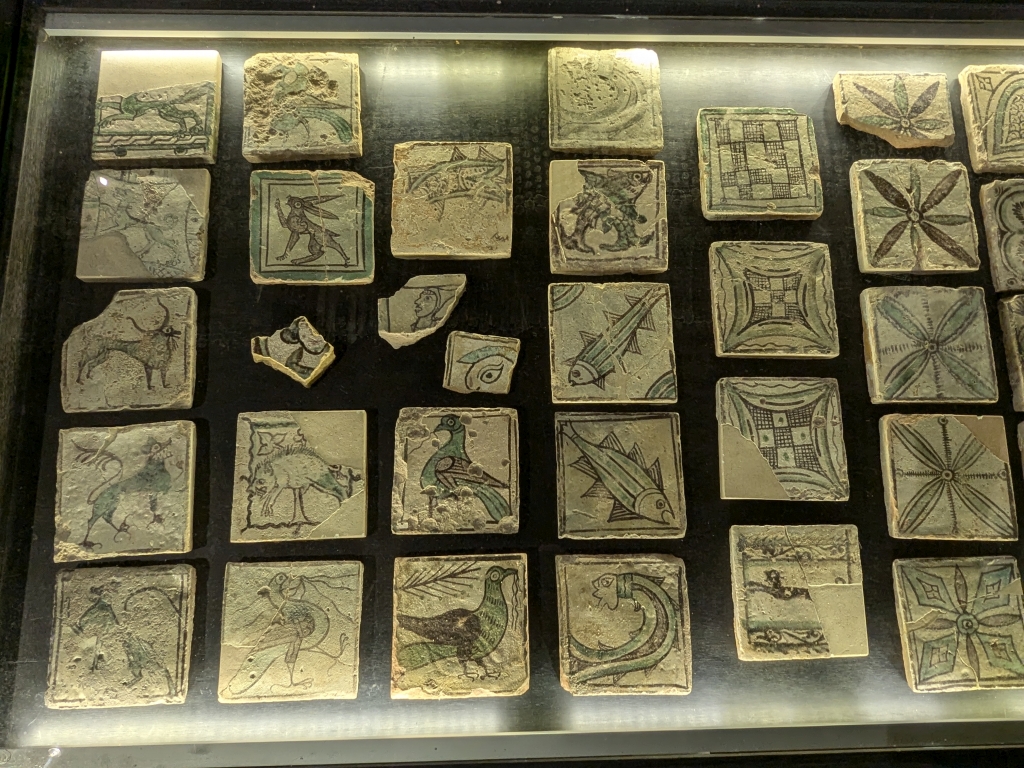
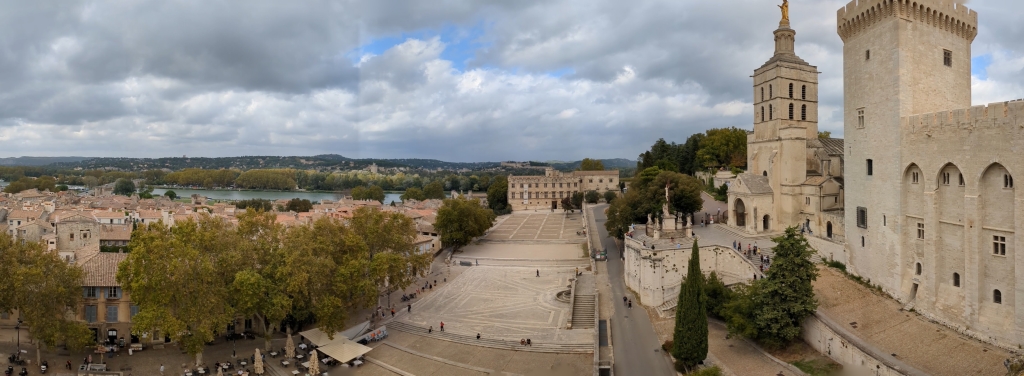
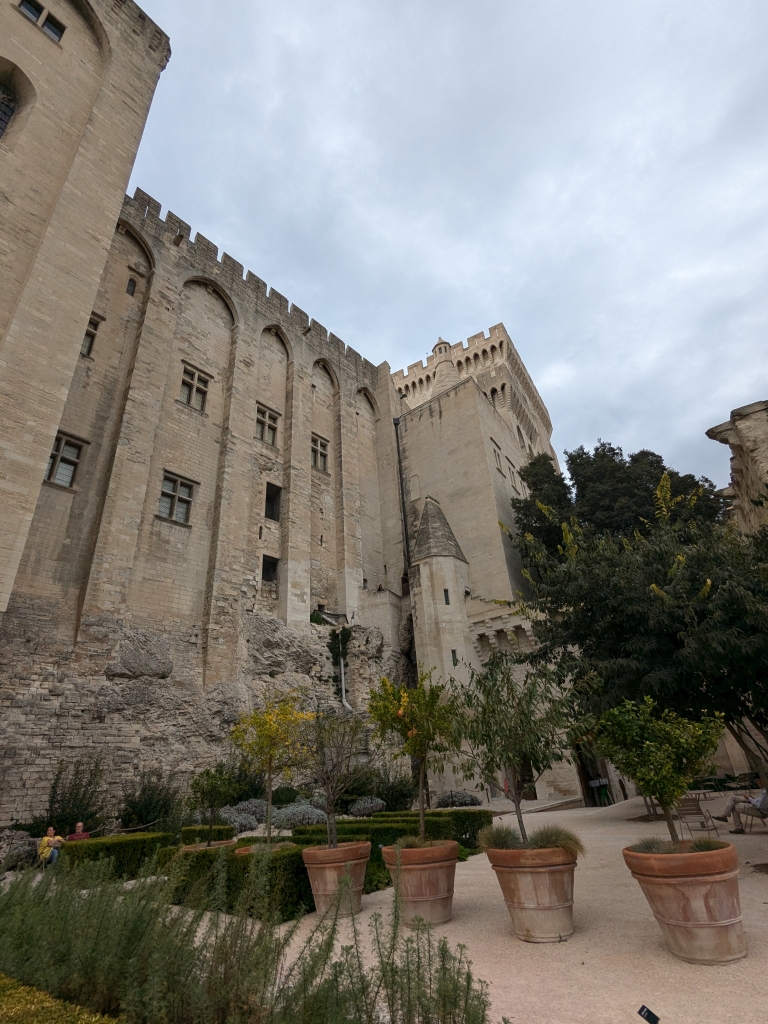
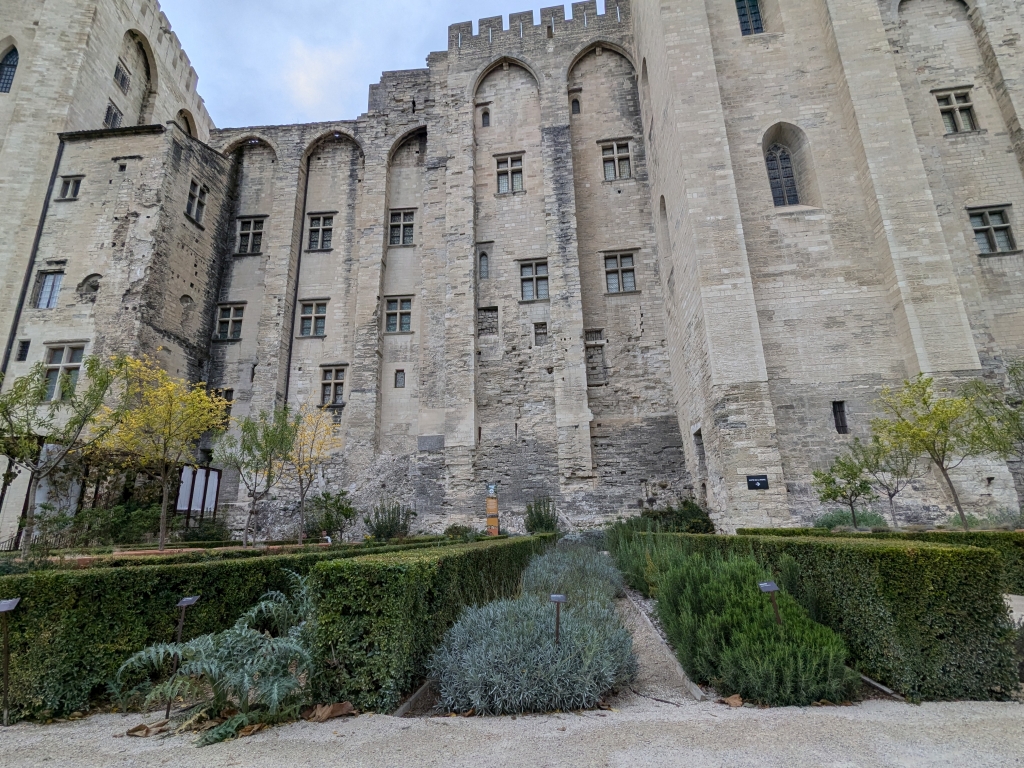
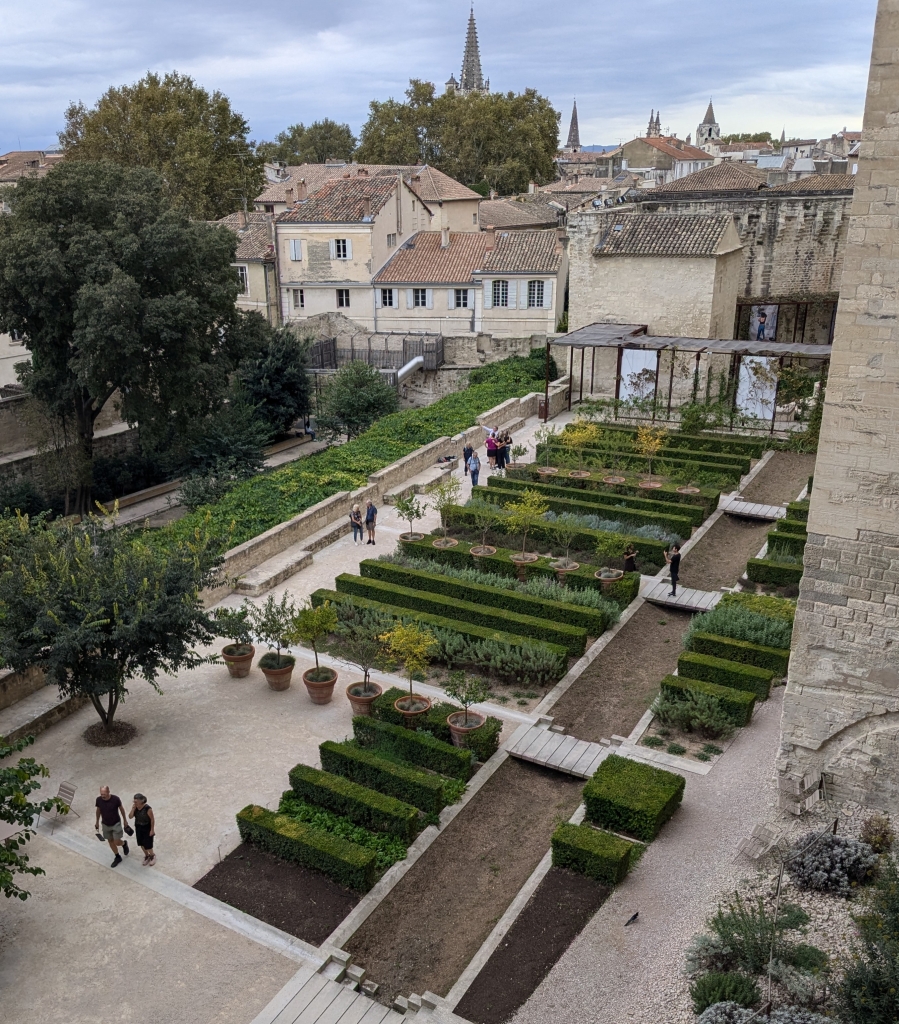
Palais des Papes – Les jardins:


Gegenpapst, https://de.wikipedia.org/wiki/Gegenpapst: … (lateinisch pseudopapa, antipapa) … Person …, die während der Amtszeit eines kanonisch gewählten Papstes … von bestimmten Autoritäten zum Papst ernannt wurde … Durch Begriffsunschärfe, Parteilichkeit, unklaren Wahl- und Ernennungsmodus sowie lückenhafte Überlieferung schwankt die Anzahl der historisch wahrgenommenen Gegenpäpste … zwischen 25 und 40 … Die Zeitspanne historisch … bedeutsamer Gegenpäpste reicht von Hippolyt von Rom (amtierte 217–235) bis Felix V. (1439–1449) … Nachdem ab 1309 insgesamt sieben von der gesamten Kirche anerkannte Päpste in Avignon residiert hatten, ließ Gregor XI. sich 1377 zur Rückkehr nach Rom überzeugen; die französischen Kardinäle erkannten dies … nicht an und erklärten den Heiligen Stuhl … für vakant. Dies führte 1378 zum großen Schisma, das bis zum Konzil von Konstanz 1417 andauerte. In dessen Zeitraum gab es einen Papst in Rom und einen Gegenpapst in Avignon sowie zeitweilig noch … Pisa …, die jeweils von verschiedenen Mächten Europas als alleiniger Papst angesehen wurden …


Im weiteren Provence-Umfeld: Katharer, https://de.wikipedia.org/wiki/Katharer: … (wörtlich „die Reinen“, von griechisch καθαρός ) … die Anhänger der bekanntesten und radikalsten heterodoxen Strömung des mittelalterlichen Christentums, die vom 12. bis zum 14. Jahrhundert … im Süden Frankreichs sowie in Italien, Spanien und Deutschland verbreitet war. Zuweilen … auch Albigenser … nach der südfranzösischen Stadt Albi genannt … bauten nie ein einheitliches Lehrsystem aus … Ihre Lebensweise war durch antiklerikale, asketische und das Eigentum zurückweisende Haltungen gekennzeichnet. Im Zuge des Albigenserkreuzzugs und weiterer Feldzüge sowie durch die Inquisition wurden die Katharer als Häretiker verfolgt und gelten mit dem Jahr 1400 als vernichtet.

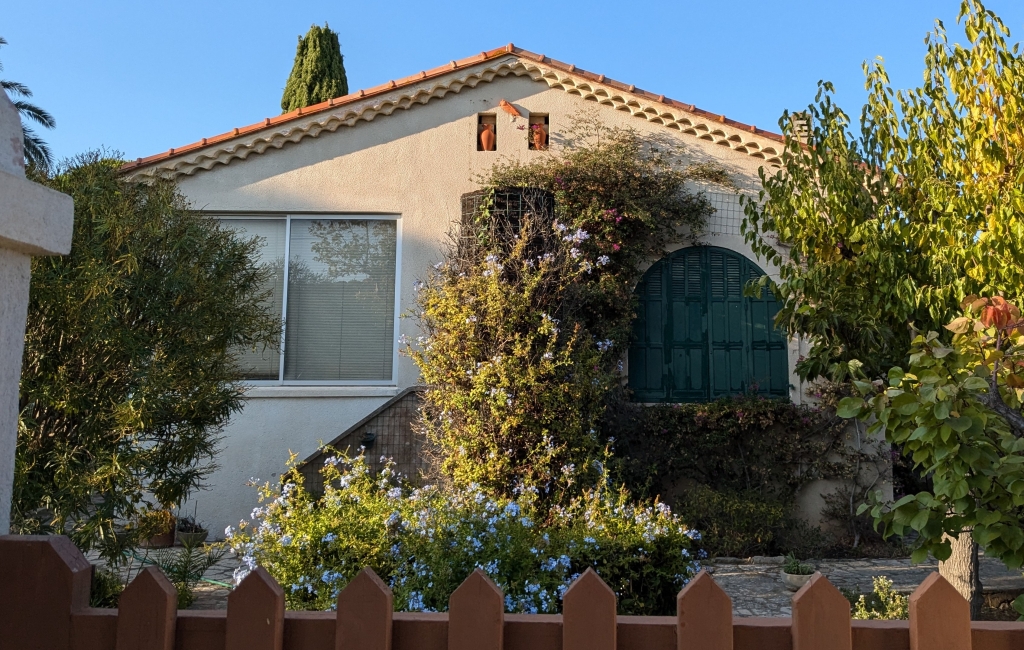
21-25 Sep 2024, Sanary-sur-Mer with Parcours de Mémoire: Exiled writers and other artists

21.-25.9.2024, Sanary-sur-Mer with Parcours de Mémoire: Exiled writers and other artists

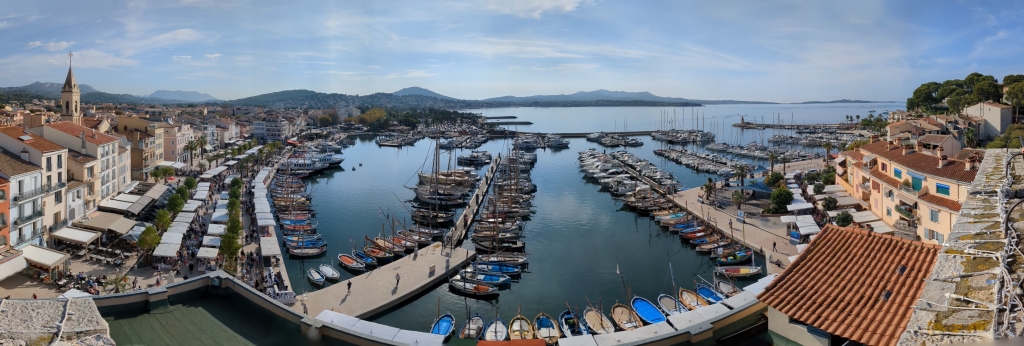
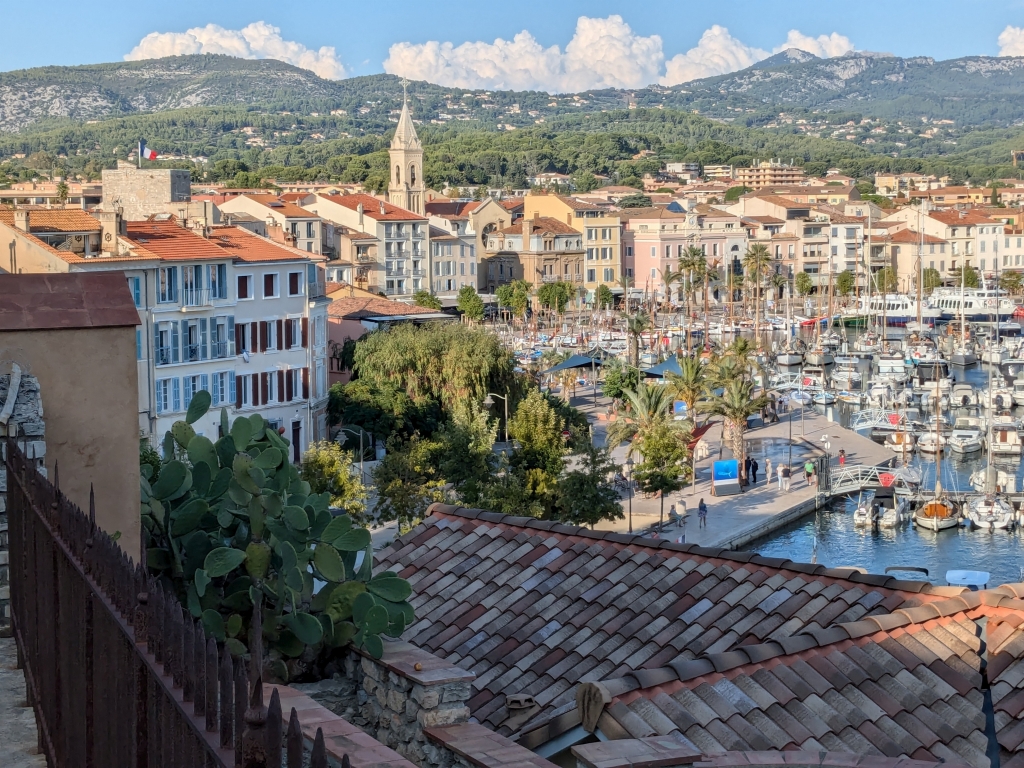
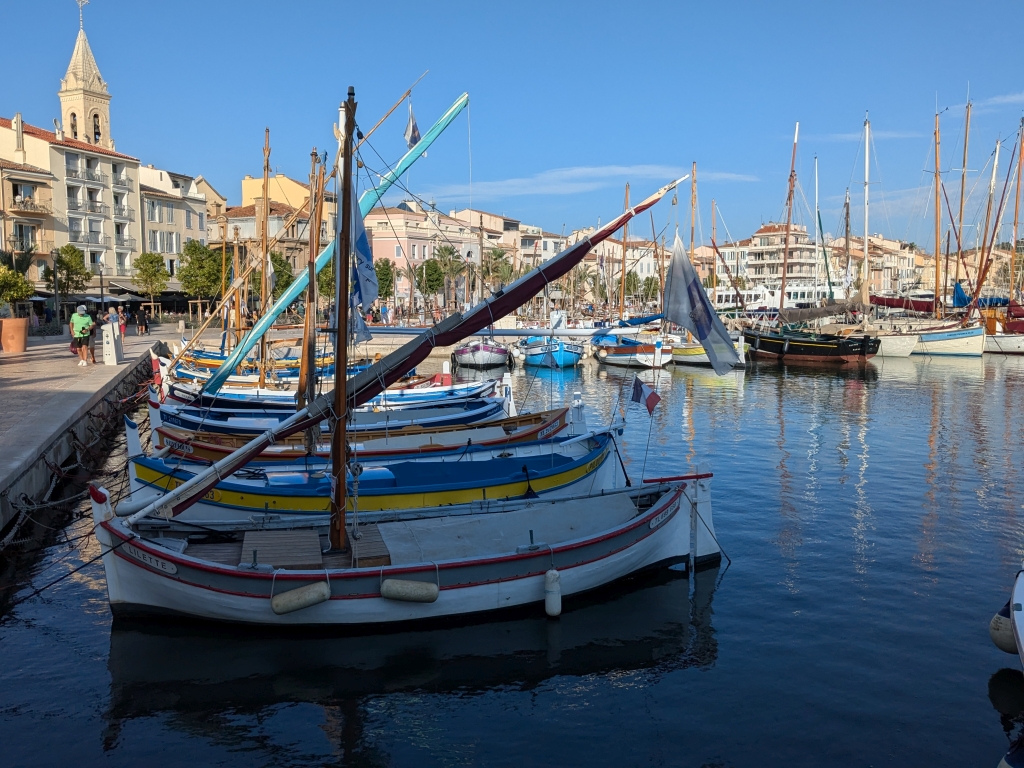
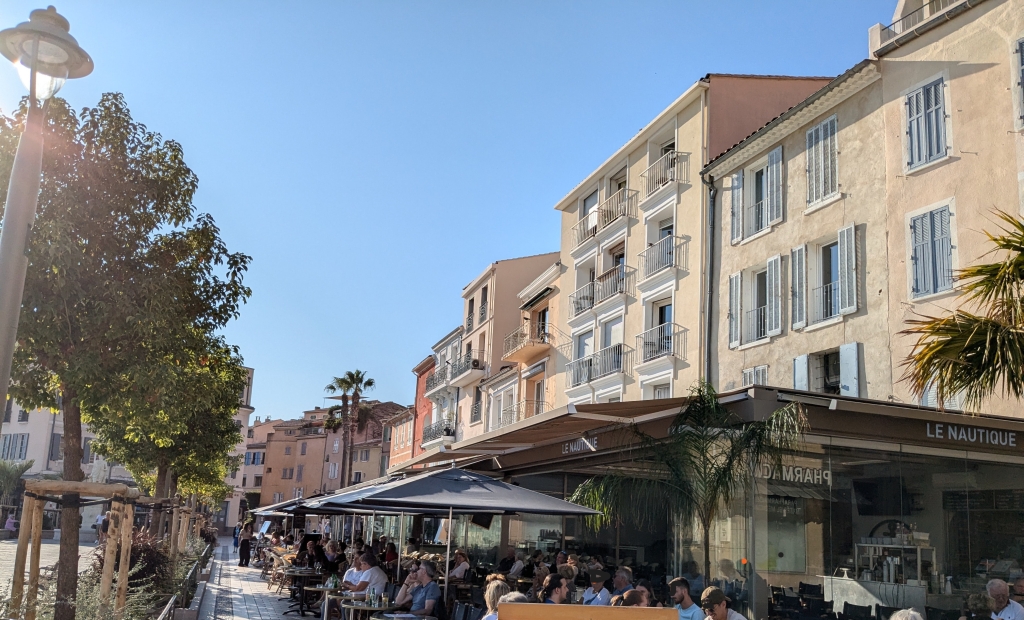
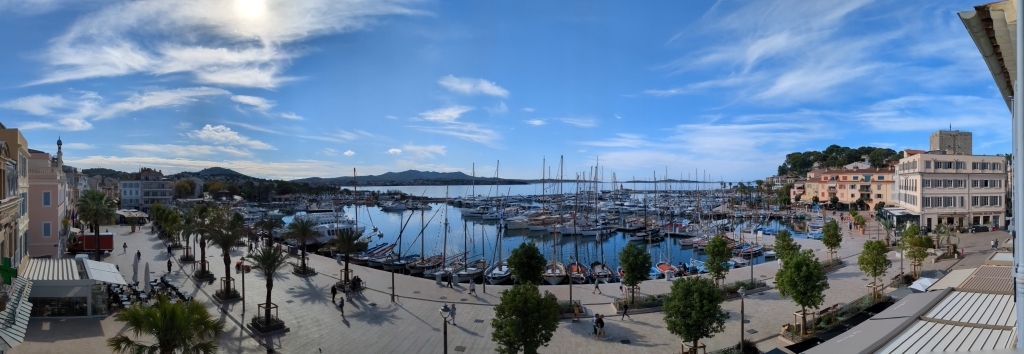
Sanary-sur-Mer, https://en.wikipedia.org/wiki/Sanary-sur-Mer:  a commune … in the Provence-Alpes-Côte d’Azur region, … 49 km … southeast of Marseille … Literary Sanary: With the rise of Nazism in the early 1930s, a great number of German writers and intellectuals left Germany and settled here … Patronised by Jean Cocteau and his coterie, Sanary had already drawn Aldous Huxley, who wrote Brave New World at Villa Huley, … and his wife, Maria; they attracted other English visitors … The German expatriates clustered around Thomas Mann and his large family … Ludwig Marcuse in his book “Mein Zwanzigstes Jahrhundert” (p. 160) wrote about Sanary: “Wir wohnten im Paradies – notgedrungen“, meaning “We lived in paradise – against our will”. “If one lives in exile,” wrote Hermann Kesten, “The café becomes at once the family home, the nation, church and parliament, a desert and a place of pilgrimage, cradle of illusions and their cemetery… In exile, the café is the one place where life goes on.” With the declaration of war in 1939, the French government treated these exiles as enemy aliens and interned some of them in camps …, and eventually some were sent to Auschwitz. After the liberation of France, the whole episode went ignored until the 1990s when … a commemorative plaque was unveiled, and literary itineraries were signposted …


Exilpoetik in Sanary-sur-Mer, https://www.sanary-tourisme.com/en/discover-sanary/history-and-heritage/sanary-land-of-exile/: It was not without a touch of humour that the journalist Ludwig Marcuse, who lived in Sanary, took the liberty of awarding the commune the honorary title of „world capital of artistic and literary exile“.

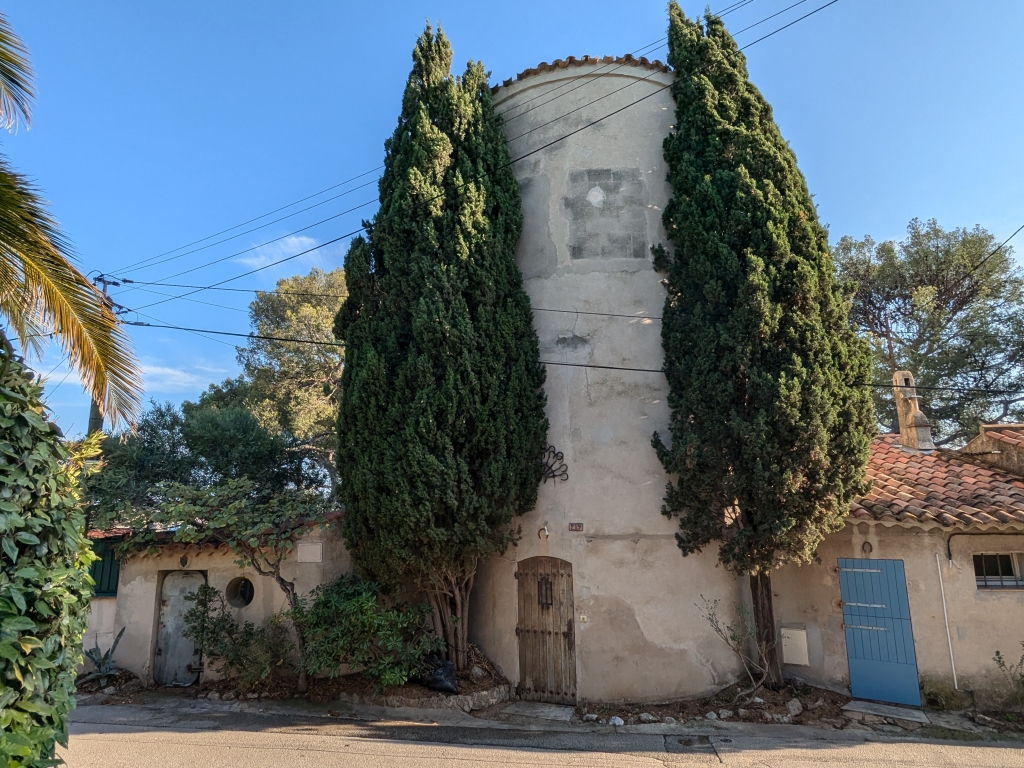
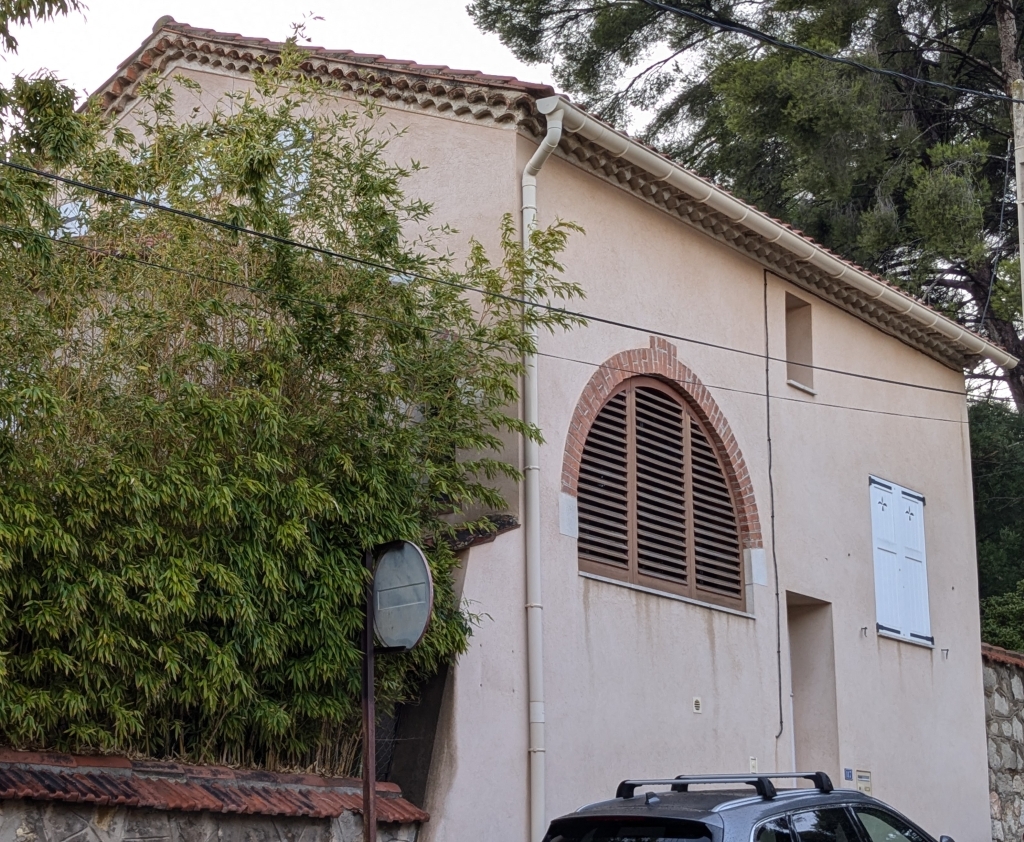
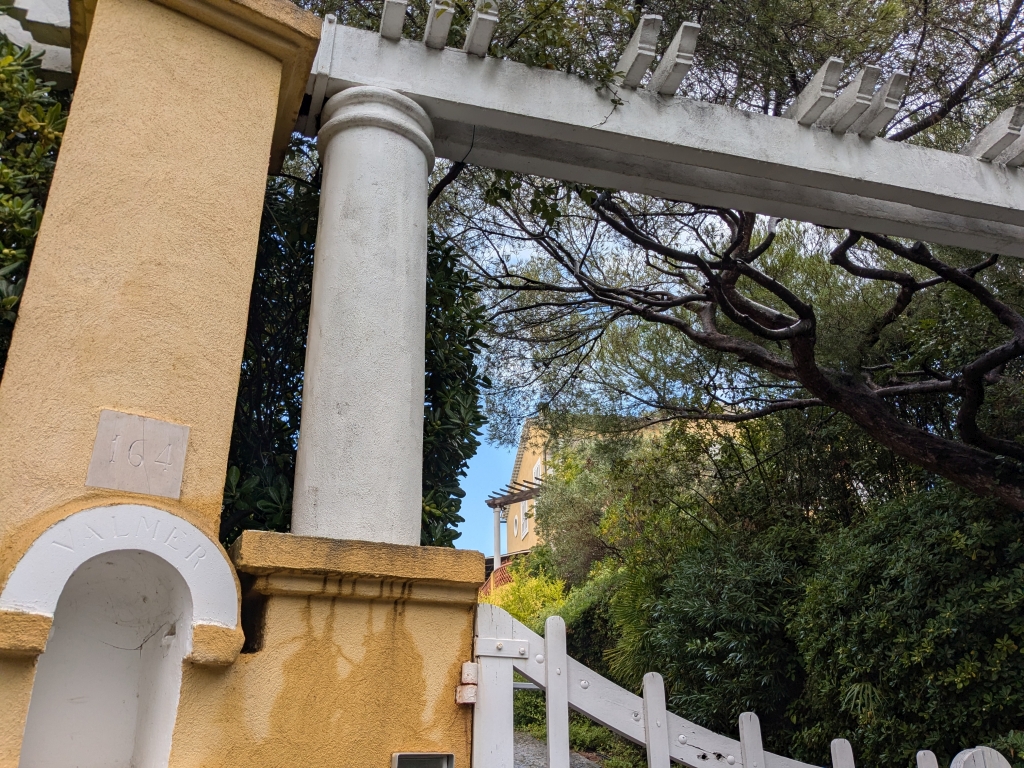
Parcours de Mémoire: Sur les pas des exilés à Sanary / Following the steps of the exiled writers [and other artists] / Auf den Spuren der Exil-Schriftsteller [und anderer Künstler]. Selected persons: Hans Siemsen, Erich Klossowski, Friedrich Wolf, Wilhelm Herzog, Walter Bondy, Alma Malher & Franz Werfel, Bruno Franck, Thomas Mann, Ludwig Marcuse, Lion Feuchtwanger (2 Standorte), René Schickele, Sybille Bedford. Not exiled, but in touch with those: Aldous Huxley. Significant places: Hôtel de la Tour; les cafés du port.

16-19 Sep 2024, ♣ Venezia incl. Biennale Arte, Kentridge, (Beat) poetry

16.-19.9.2024, Venezia incl. Biennale Arte, Kentridge, (Beat) poetry

Biennale Arte 2024, 20.4.-24.11 2024, www.labiennale.org/en/art/2024: 60th International Art Exhibition: Stranieri Ovunque – Foreigners Everywhere“. Sede Giardini / Giardini venue; Sede Arsenale / Arsenale venue.

Adriano Pedrosa (curator): “Artists have always traveled and moved about through cities, countries and continents. The Biennale Arte 2024’s primary focus is … artists who are themselves foreigners, immigrants, expatriates, diasporic, émigrés, exiled, or refugees”.

Brochure: „This Biennale Arte … hosts samples of marginalised, excluded, oppressed beauty, erased by the dominant matrices of geo-thinking. The interlacing themes … – the different, the foreigner, the journey, integration – will reverberate nowhere better than in the … ever-renewed waters of the lagoon city. Once again Venice – over the centuries an open cradle of knowledge and communication between peoples, ethnicities, religions – is the natural forum in which to marshal new points of view …“


National participations, www.labiennale.org/en/art/2024/national-participations:

  • USA, Jeffrey Gibson: „the space in which to place me“ …
  • Germany: Thresholds. www.labiennale.org/en/art/2024/germany: „Every moment is a threshold between the vanishing past and an unclear future. This … applies equally to everyone. For those affected by migration, however, it is a fundamental three-dimensional and bodily experience … the German contribution explores history and the future in three scenarios … the contribution engages in building a bridge to another location outside the Giardini: the island of La Certosa. Here the artists Michael Akstaller, Nicole L’Huillier, Robert Lippok, and Jan St. Werner create a resonant space with works that focus on the significance of the moment of temporal and spatial transition …

In parallel to the Biennale: William Kentridge: Self-portrait as a coffe-pot. An exhibition curated by Carolyn Christov-Bakargiev at Arsenale Institute for Politics of Representation, Venice. www.arsenale.com/downloads/AI_Web_material_Kentridge/AI_2024_Booklet_Kentridge.pdf: „This series of nine, thirty-minute episodes, is an experiment in embodiment and phenomenological experience in the digital age, and a reflection on what might happen in the brain and in the studio of an artist today. Filming of the series began during the first lockdown of the 2020–22 COVID-19 pandemic in Kentridge’s Johannesburg studio and continued in its aftermath …“ e.g.: Episode 4, Finding one’s fate; Episode 5, As if; Episode 6, Harvest of devotion.


Bill Morgan (2015): The Beats abroad. City Lights Publishers, San Francisco, p.59: „In the fall of 1954, … Alan Ansen …decided to settle in Venice … He hosted many of the Beats and introduced them to his Venice friends … (p.60) Ansen was living in the the top-floor apartment at 3219 Calle Carrozze … 1957 … Allen Ginsberg and Peter Orlovsky … arrived in Venice for a visit … Ansen was mortified when Ginsberg and Orlovsky argued at a dinner given for Peggy Guggenheim and began tossing a wet towel back and forth across the table … This got Allen and Peter blackballed from Guggenheim’s company… Ansen … composed … The return from Greece, to celebrate Peggy Guggenheim’s sixty-first birthday … It was performed … at her palazzo … now the Peggy Guggenheim collection Dorsoduro, 701 … (p.61) In … 1967 Allen Ginsberg went to Venice for the sole purpose of visiting … Ezra Pound … Pond’s house at 252 Calle Querini … In 1995 Ginsberg was back in Venice again, … for the opening of an exhibition of his photography displayed at the Venice Biennial …


Venice and ist Lagoon, https://unescoworld.com/heritage/venice-and-its-lagoon/: „Founded in the 5th century and spread over 118 small islands, Venice became a major maritime power in the 10th century. The whole city is an extraordinary architectural masterpiece in which even the smallest building contains works by some of the world’s greatest artists …“

13-16 Sep 2024, Trieste / Triest

13.-16.9.2024, Trieste / Triest

Trieste, https://en.wikipedia.org/wiki/Trieste: … capital … of the autonomous region of Friuli-Venezia Giulia … located at the head of the Gulf of Trieste, on a narrow strip of Italian territory lying between the Adriatic Sea and Slovenia …The city has a long coastline and is surrounded by … karstic areas … belonged to the Habsburg monarchy from 1382 until 1918 … Trieste was its most important seaport. As a prosperous trading hub in the Mediterranean region, Trieste grew to become the fourth largest city of the Austro-Hungarian Empire (after Vienna, Budapest, and Prague). At the turn of the 20th century, it emerged as an important hub for literature and music … the Free Territory of Trieste became a major site of the struggle between the Eastern and Western blocs after the Second World War … intersection of Latin, Slavic and Germanic cultures … home to diverse ethnic groups and religious communities … A scholarly area, Trieste has the highest percentage of researchers, per capita, in Europe … Città della bora (“City of the bora”), Città del vento (“City of Wind”), “Vienna by the sea” and “City of Coffee” are epithets used to describe Trieste.


Ziliotto, Donatella (1963): Illustrierter Führer von Triest und Umgebung. Deutsche Bearbeitung von Wilhelm Weldin. Unter den Auspizien des Fremdenverkehrsamtes der Provinz Triest. Verlag des Stabilimento Tipografico Nazionale, Triest, 3. Aufl., p.11: „An Triest … sind Renaissance, Barock und Rokoko fast spurlos vorübergegangen. Erst als die Stadt Anfang des neunzehnten Jahrhunderts mächtig aufzuholen begann, hatte sie das Glück, die letzte große historische Stilperiode nicht zu versäumen: den Klassizismus, dessen immanente Latinität wie für ihren geistigen Habitus zurechtgeschnitten war … Das transzendente Symbol … Triests ist seine Kathedrale … San Giusto … (p.12) Die Stadt … in einen der schönsten Golfe der Welt hineingestellt … Das achtzehnte Jahrhundert brachte der Stadt den entscheidenden Eingriff des Hauses Habsburg in ihre Angelegenheiten, der ihre kulturelle Entwicklung für ein Jahrhundert aus dem Geleise brachte … waren die Habsburger an Triest nur wirtschaftlich und machtpolitisch interessiert … … … (pp.13-14) in der kurzen Spanne zwischen 1912 und 1914 entstanden in Triest zwei der bedeutendsten Werke der modernen Weltliteratur: der „Ulysses“ von James Joyce und „Duineser Elegien“ von Rainer Maria Rilke …“


Castello di San Giusto & Vistas, incl. Cattedrale di San Giusto, Castello di San Giusto, San Giusto with town model


Roman Traces incl. Arco di Riccardo / Richardsbogen; Roman Forum (with Medusa); Teatro Romano


By the seaside, incl. Piazza Unità, Canal Grande (with James Joyce), Molo Venezia, Piazza Venezia (with Massimiliano)


Other places, incl. Santa Maria Maggiore, San Silvestro, the Jewish Ghetto, Via del Donato at Via del Crocifisso (cf. 1967)


1967 – 2024, same place: Via Donato at Via del Crocifisso


Cf.: 1967_09 Herbstreise Triest.

8 Jul 2024, Berlin, Alte Nationalgalerie, Caspar David Friedrich: Unendliche Landschaften

8.7.2024, Berlin, Alte Nationalgalerie, Caspar David Friedrich: Unendliche Landschaften

19.4.2024 bis 4.8.2024, www.smb.museum/ausstellungen/detail/caspar-david-friedrich/: Anlässlich des 250. Geburtstages von Caspar David Friedrich (1774–1840) zeigt die Alte Nationalgalerie in Kooperation mit dem Kupferstichkabinett der Staatlichen Museen zu Berlin … eine große Ausstellung zum Werk des bedeutendsten Malers der deutschen Romantik … Zentrales Thema … ist die Rolle der Nationalgalerie bei der Wiederentdeckung der Kunst Friedrichs zu Beginn des 20. Jahrhunderts … Die Nationalgalerie bewahrt eine der größten Friedrich-Gemälde-Sammlungen weltweit … Nachdem der Maler in der zweiten Hälfte des 19. Jahrhunderts in Vergessenheit geraten war, würdigte die Nationalgalerie mit der legendären „Deutschen Jahrhundertausstellung“ 1906 den Künstler … so umfassend wie nie zuvor. Friedrich wurde als herausragender Maler von Licht und Atmosphäre und als Vorreiter der Moderne gefeiert … Der Künstler brachte in … Bilderpaaren verschiedene Perspektiven sowie die Idee des Wandels zum Ausdruck und warf damit bis heute gültige Fragen zum Lebensgang und zum Kreislauf der Natur auf … Friedrichs Wanderungen an der Küste und im Gebirge bildeten die Grundlage für sein künstlerisches Schaffen … Ausgehend von seinen Zeichnungen widmet sich ein Kapitel der Ausstellung seiner Ausbildung sowie neuesten Forschungsergebnissen zur Maltechnik des Künstlers …