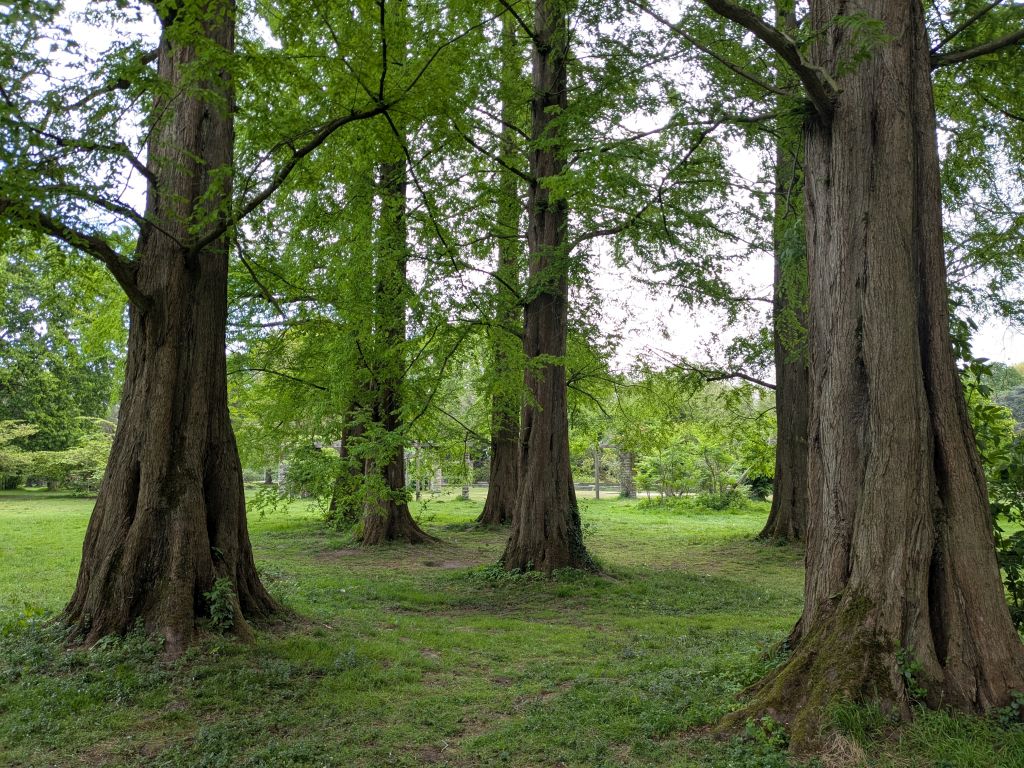
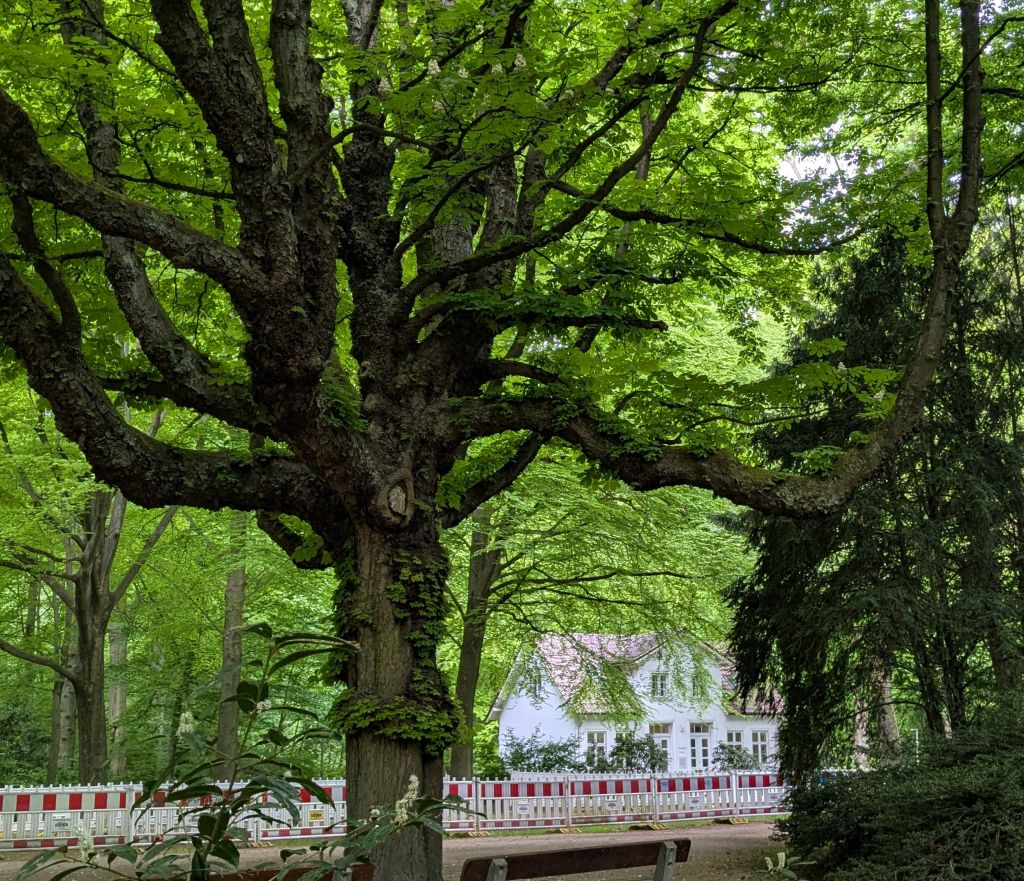
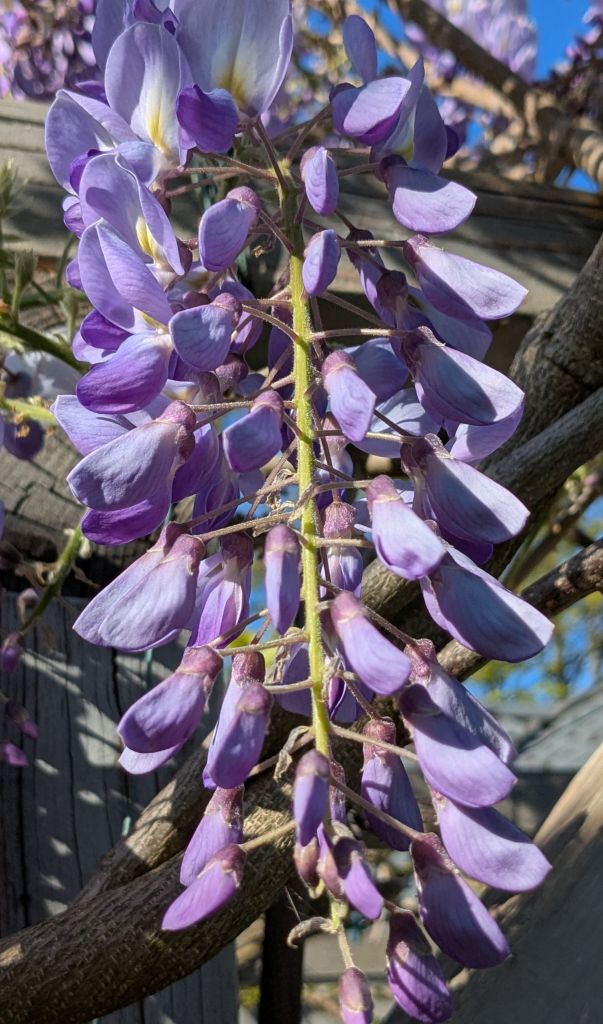
10 May 2025, ♣ Oldenburg: Stadtgärten (10.5.-17.8.2025)

10.5.2025, Oldenburg: Stadtgärten (10.5.-17.8.2025)

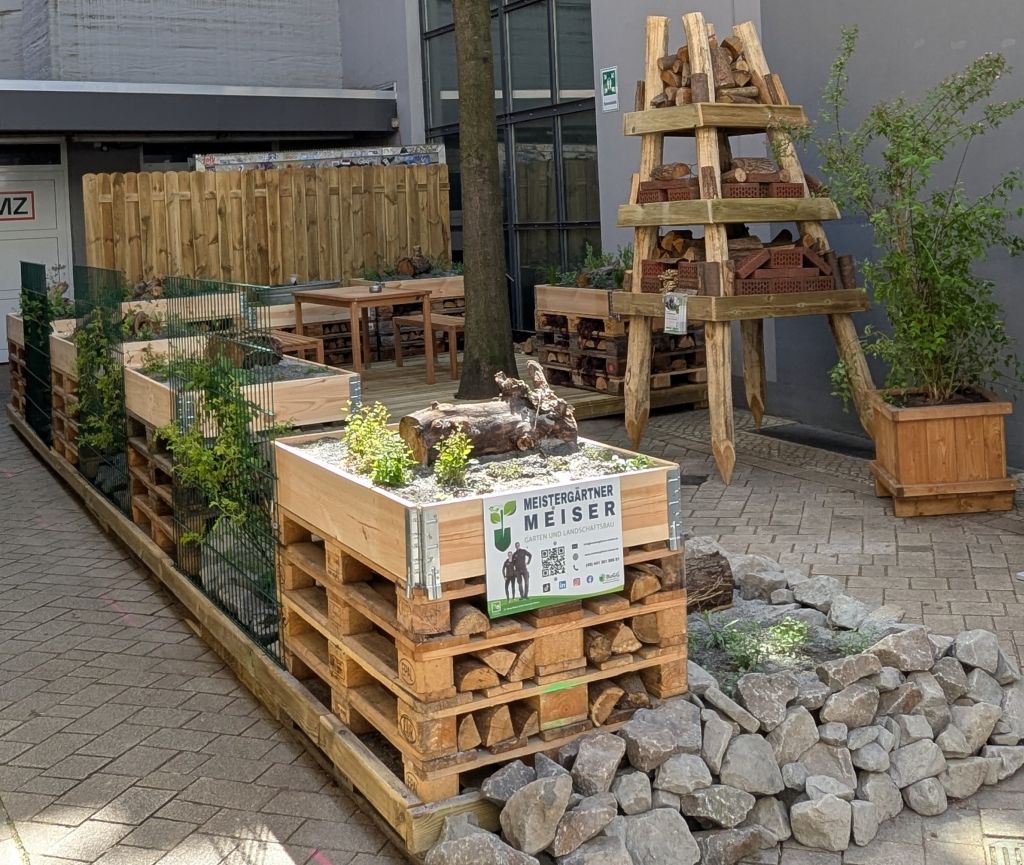
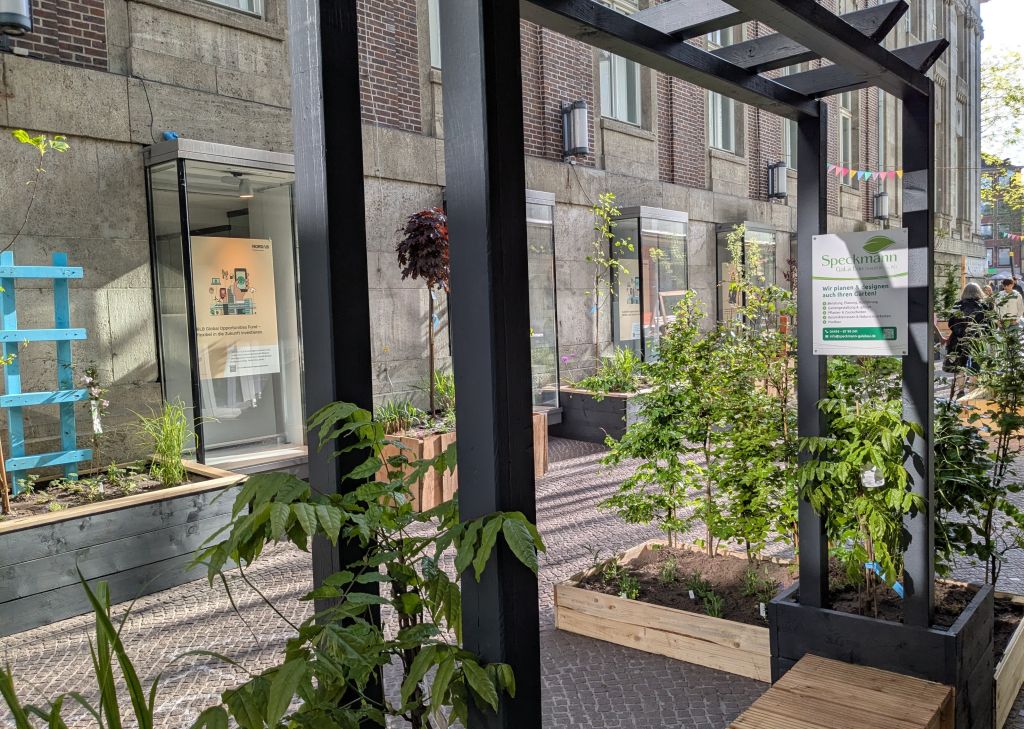
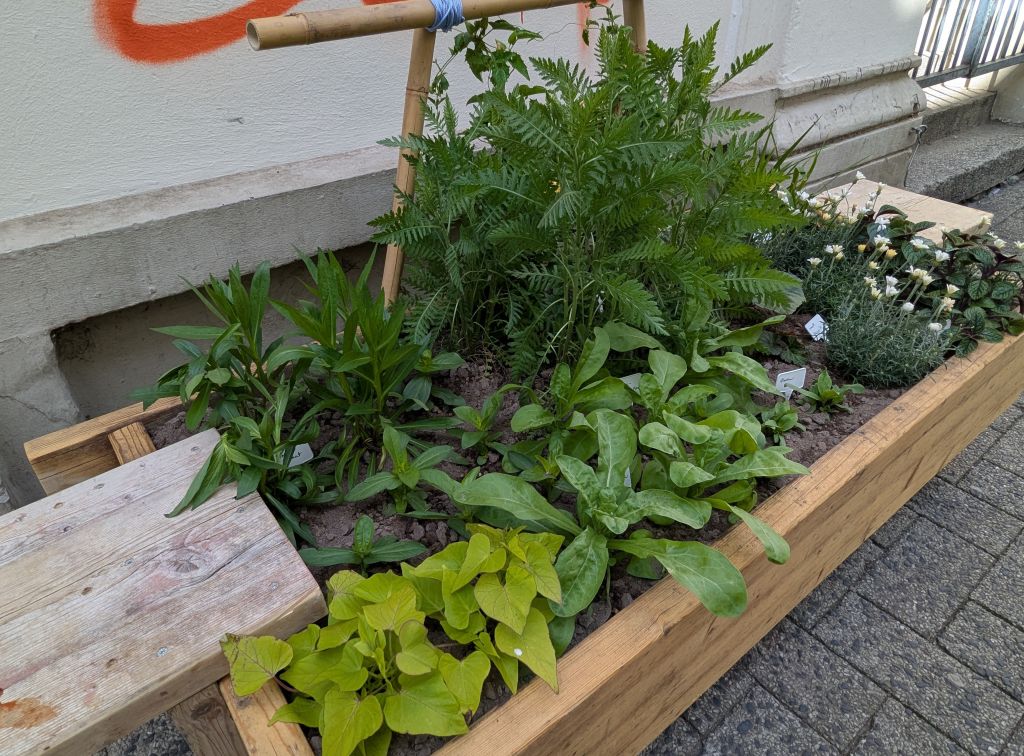
10.5.-17.8.2025, www.oldenburg-tourismus.de/veranstaltungen/event-tipps/stadtgaerten: … Konzept ZehnXZukunft … seit 2023 … Heimische Pflanzen, torffreie Erde und wiederverwendbare Materialien … Nach der Veranstaltung finden viele Pflanzen an anderen Orten ein dauerhaftes Zuhause … Mit Hochbeeten, Pflanzkästen und Rankhilfen verschönern sie Wege und Plätze in der Innenstadt. Gleichzeitig sollen sie … zum Nachdenken anregen …

Aus der Broschüre:

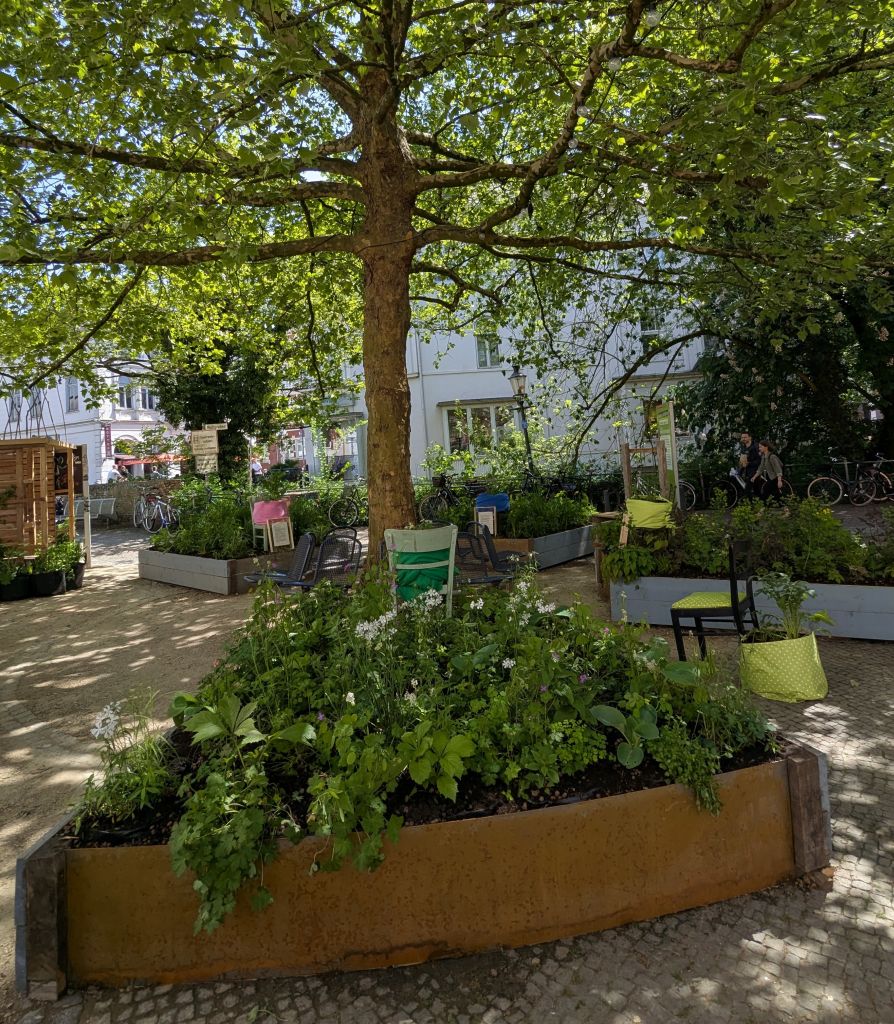
  • Stadtgarten 01: URBAN GARDENING, 91er Straße.Wo früher Autos parkten, entsteht neues Leben: Ein Teil des ehemaligen Finanzamtsparkplatzes wird zum Gemeinschaftsgarten …
  • Stadtgarten 02: WIR MÜSSEN REDEN, Büsingstift … Hier lädt ein Stadtgarten zum Austausch ein – mit anderen, mit sich selbst und mit der Natur …
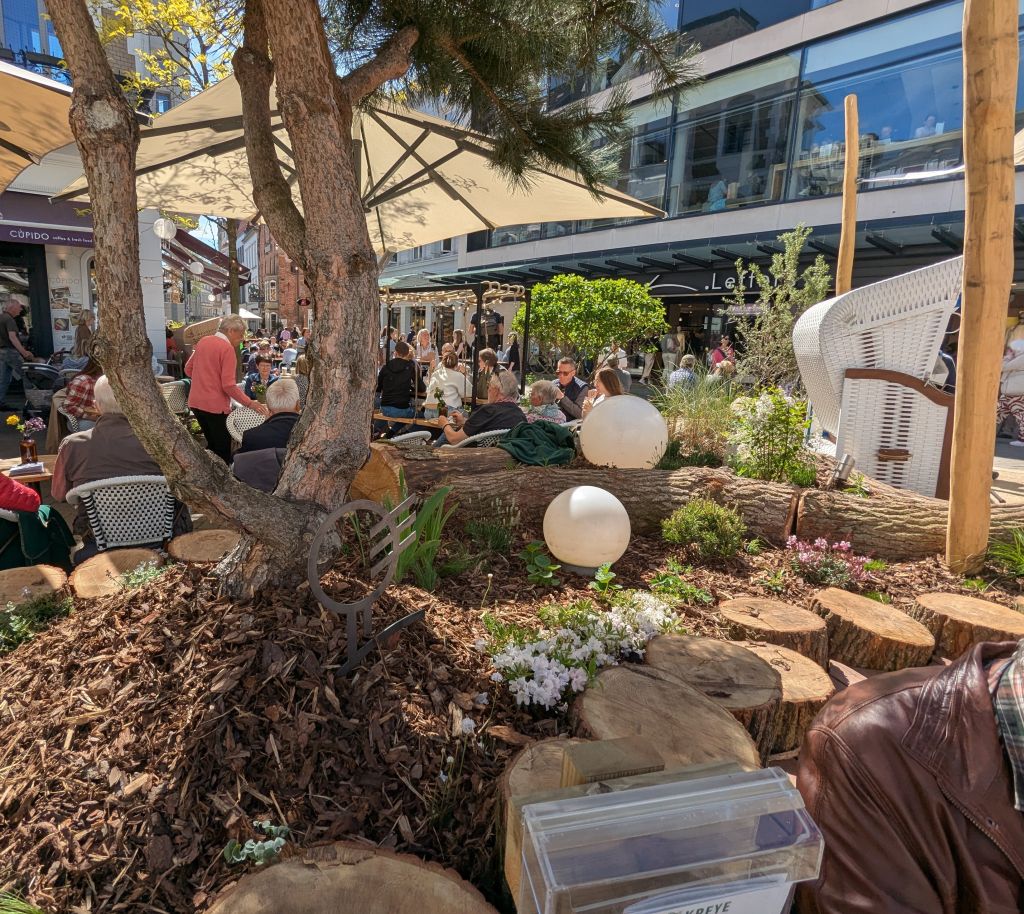
  • Stadtgarten 03: WELLEN-WOGEN-WIND, Lefferseck. Maritimes Flair trifft Nachhaltigkeit: … Küstenkiefern und bepflanzte „Wellen“ …
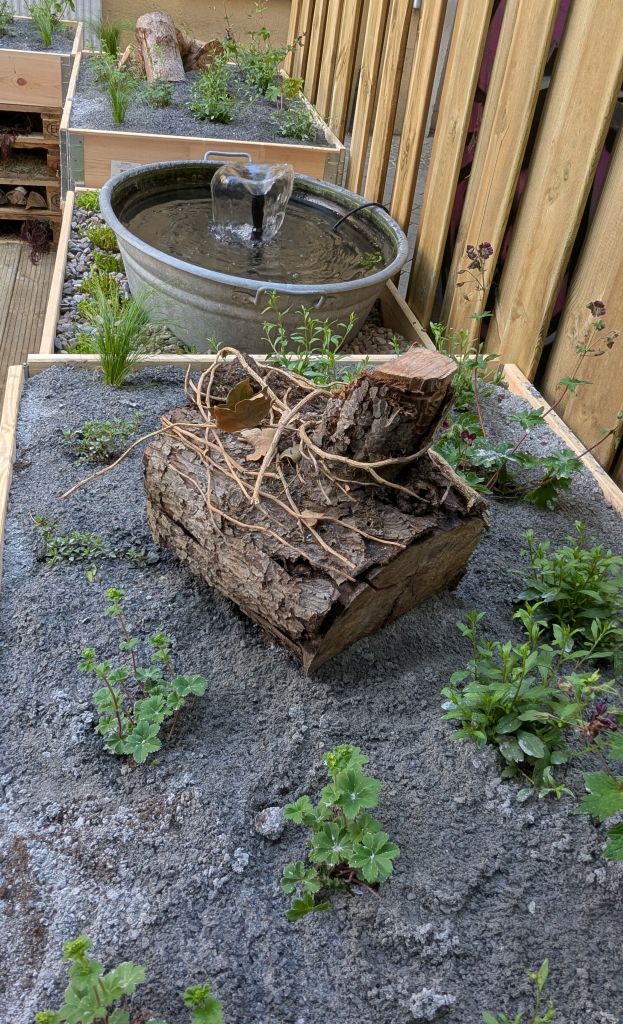
  • Stadtgarten 04: MAGERGARTEN Brunseck … Nährstoffarme Böden beherbergen trockenheitsresistente Pflanzen …, die Lebensräume für Insekten schaffen …
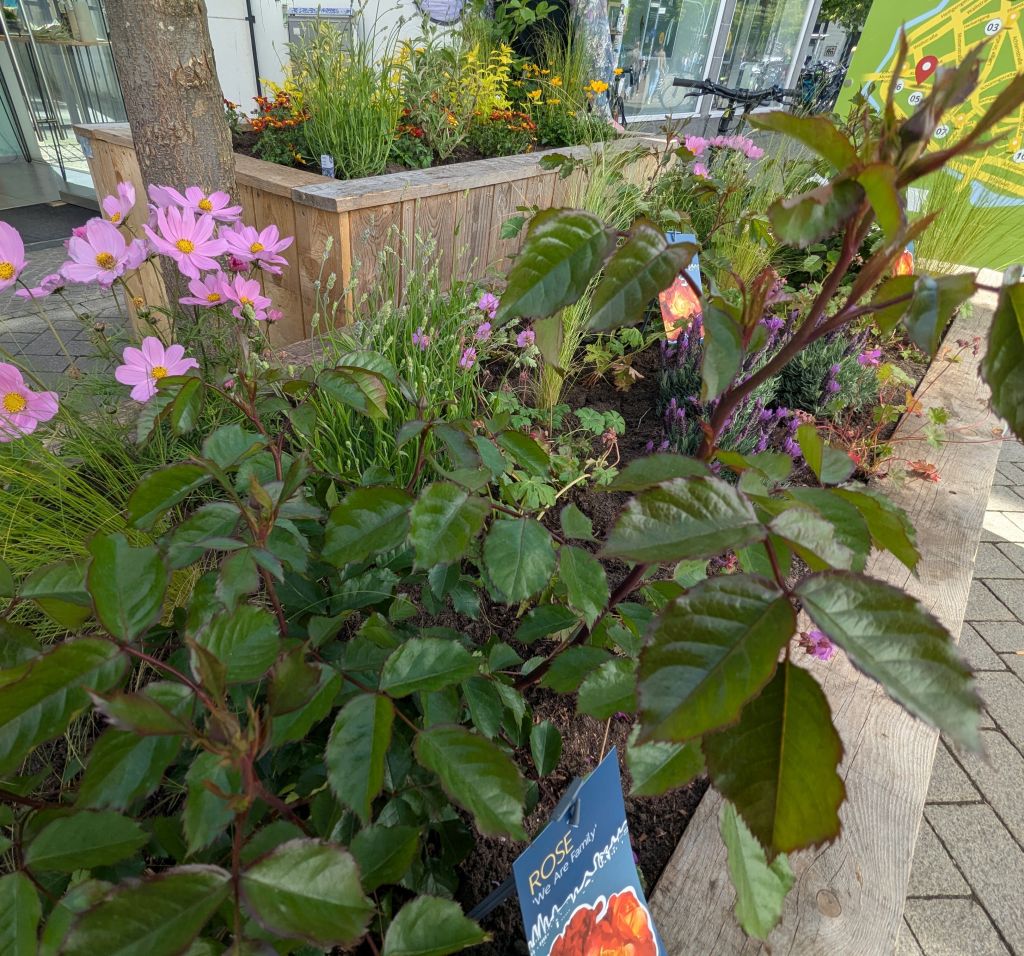
  • Stadtgarten 05: WE ARE FAMILY Haarenstraße … die bienenfreundliche Rose …

  • Stadtgarten 06: GARTEN DER MÖGLICHKEITEN, Julius-Mosen-Platz … Die Gemeinnützigen Werkstätten e.V. und Aqua (Ausbildung, Qualifizierung und Arbeit) zeigen, wie man mit Recyclingmaterial und kleinem Budget einen bunten Garten gestalten kann …
  • Stadtgarten 07: GRÜNE KLASSENZIMMER − SCHULGÄRTEN IN OLDENBURG, Nikolaiviertel … zeigt, wie Schulgarten-AGs arbeiten: Blühfläche, Hochbeet, Naschgarten und Kräuterspirale …
  • Stadtgarten 08: COLOUR IN THE CITY, Baumgartenstraße. Hier verbinden sich Kunst, Bildung und Nachhaltigkeit zu einem farbenfrohen Erlebnis. Entdecke die Welt der Pflanzenfarben …
  • Stadtgarten 09: SPIEL- & SCHAUKELGLÜCK, Häusing … Hochbeete, bunte Baumstämme und ein Quellstein prägen den Garten …
  • Stadtgarten 10: STADTGRÜN NATURNAH, Markt 15 … ein Stück lebendige Gartengroßstadt. Wildblumen, Totholz und Wasserstellen bieten Lebensraum für Insekten und Kleintiere …
  • Stadtgarten 11 …

Geplant und realisiert durch: Stadt Oldenburg; Oldenburger Färbergärten Netzwerk; Aqua (Ausbildung, Qualifizierung und Arbeit); Regionales Umweltbildungszentrum für die Stadt Oldenburg; Oldenburger Fachgeschäfte Haarenstraße; mehrere Firmen.

4 May 2025, ♣ Hamburg Stadtpark incl. Rhododendrons & signs of five-year activities

4.5.2025, Hamburg Stadtpark incl. Rhododendrons & signs of five-year activities / Voranzeichen fünjähriger Aktivitäten


A special weather and spring situation this morning led to extensive photography, but this did not improve the running time / Eine besondere Witterung und Frühlingslage heute Morgen führte zu umfangreichem Fotografieren, was die Laufzeit nicht gerade verbesserte.


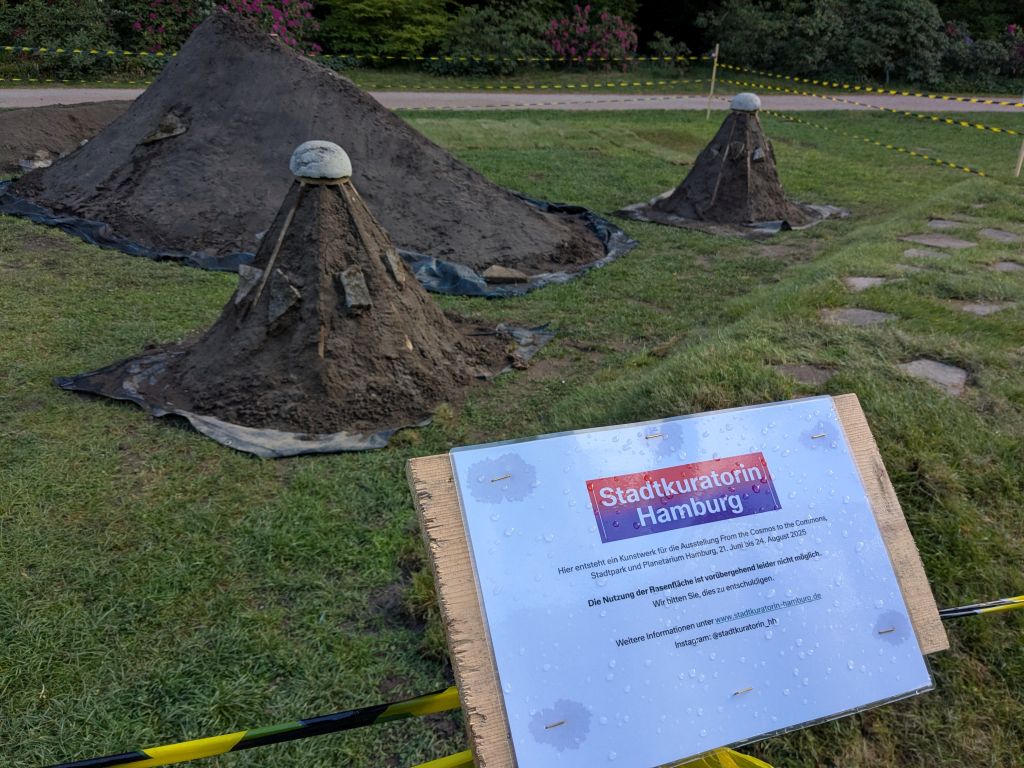
Near the planetarium: early signs of a long-term project by city curator Joanna Warsza: “From the Cosmos to the Commons”, https://stadtkuratorin-hamburg.de/en/projects/five-years-five-elements/cosmos: … Over the next five years, the City Curator holds summer exhibitions revolving around the five elements – Cosmos, Fire, Air, Earth and Water – with the focus on one element each year. In 2025, the programme is dedicated to the Cosmos and will consist of four parts: a recreation of Aby Warburg’s Image Collection on the History of Astrology and Astronomy at the Planetarium Hamburg, … exhibitions of contemporary art at the Stadtpark … and the Kunsthaus Hamburg … as well as a Symposium … at the Warburg Haus. The aim of this series is to establish orientation points in a disoriented reality with a view to explore potential planetary public spheres / Nahe dem Planetarium: Voranzeichen eines längerwährenden Projektes der Stadtkuratorin Joanna Warsza: „From the Cosmos to the Commons – Vom All zum Allgemeingut”, https://stadtkuratorin-hamburg.de/de/projects/five-years-five-elements/kosmos: … In den kommenden fünf Jahren präsentiert die Stadtkuratorin eine Sommerserie zu den fünf Elementen – Kosmos, Feuer, Luft, Erde und Wasser–, wobei jedes Jahr eines der Elemente im Fokus steht. 2025 widmet sich das Programm dem Kosmos und umfasst vier Teile: eine Neuauflage von Aby Warburgs Ausstellung Bildersammlung zur Geschichte von Sternglaube und Sternkunde im Planetarium Hamburg, … Austellungen zeitgenössischer Kunst im Stadtpark … und im Kunsthaus Hamburg … sowie ein Symposium im Warburg-Haus … In unserer Zeit großer Umbrüche sucht das Programm neue Perspektiven für eine planetarische Öffentlichkeit.

15 Apr 2025, ♣ Goldbek-Aue: Obstbaumblüte / Fruit trees blossoming

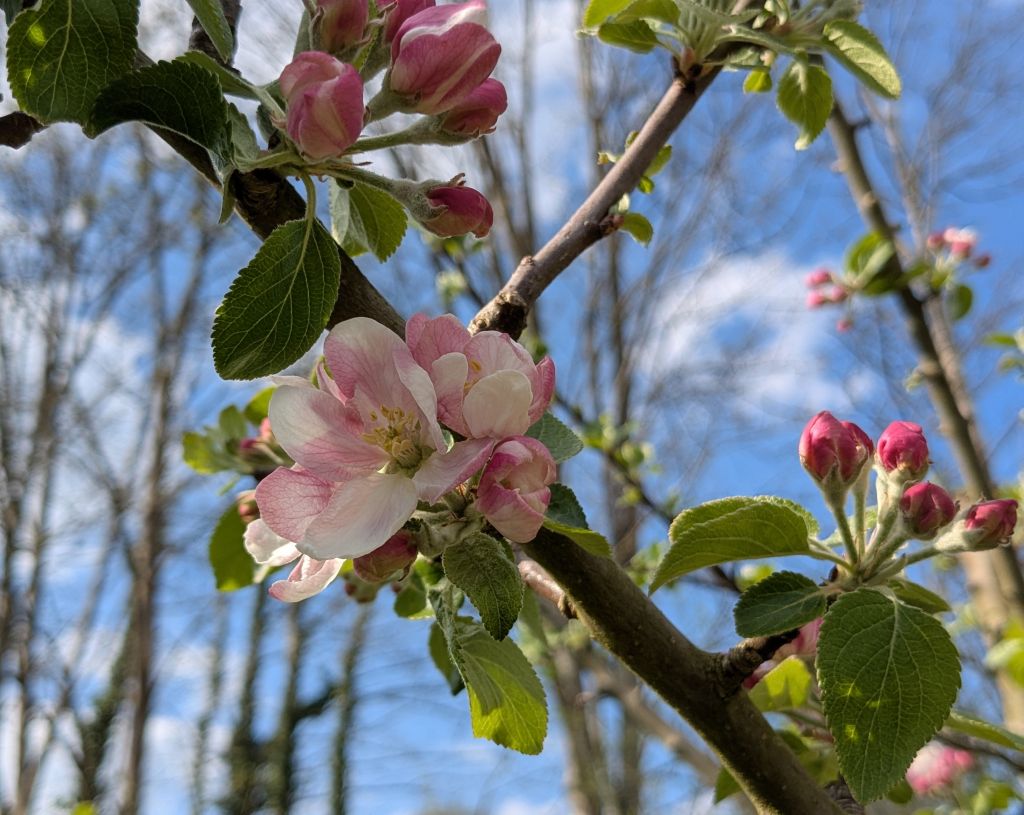
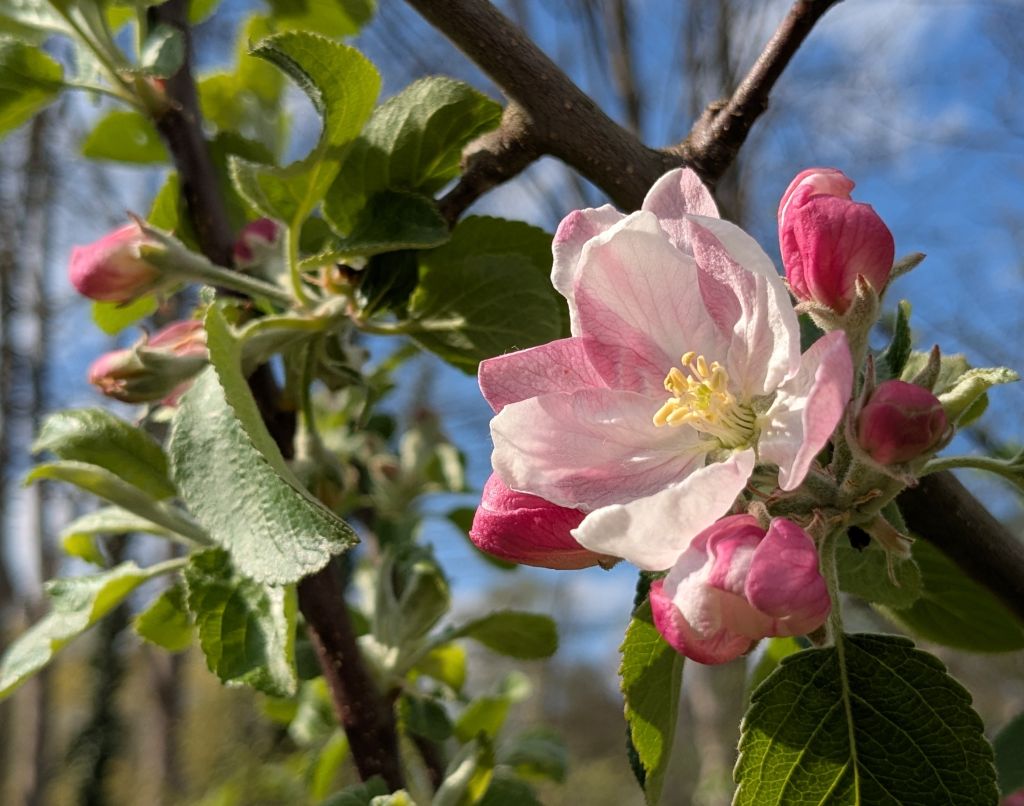
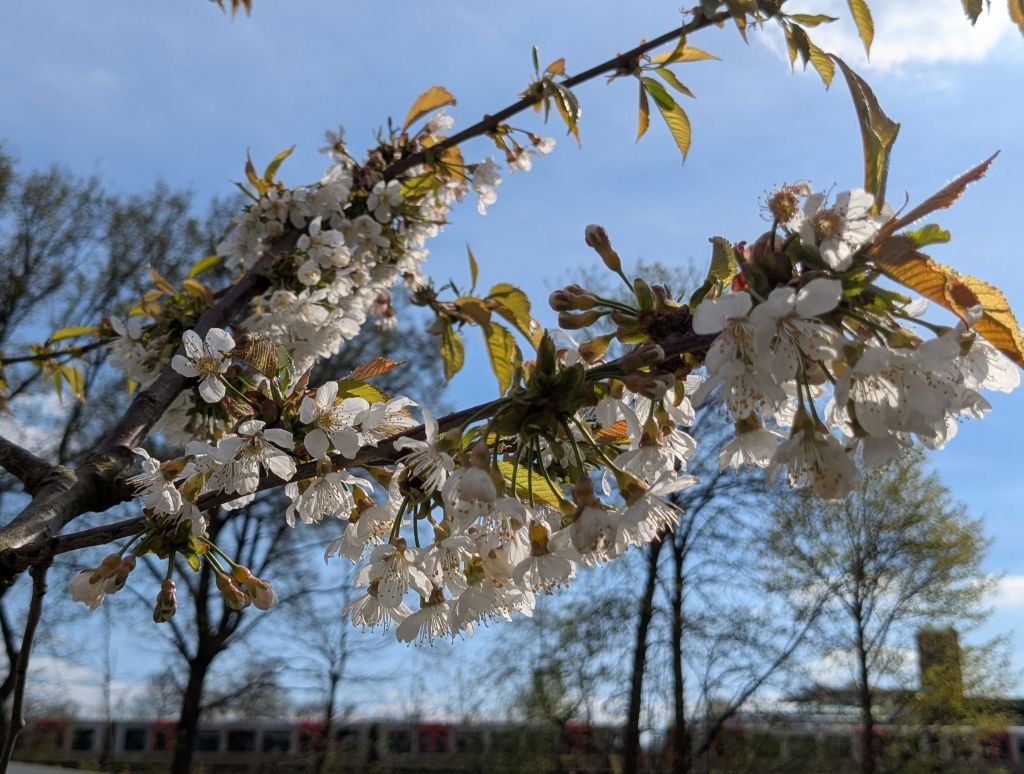
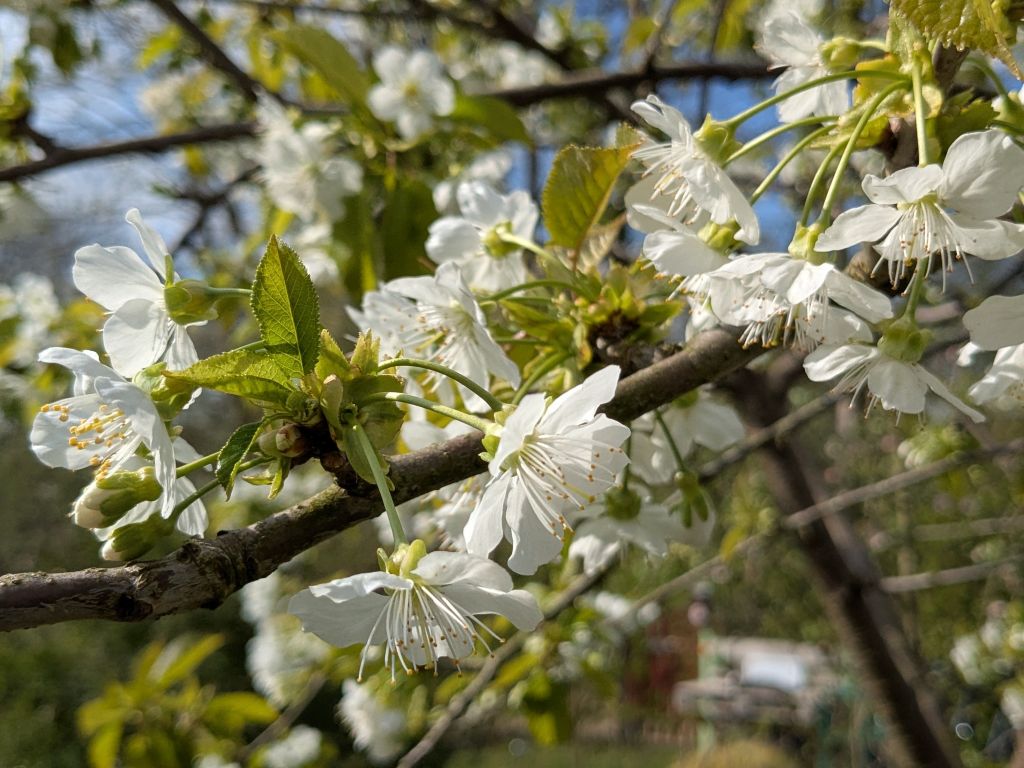
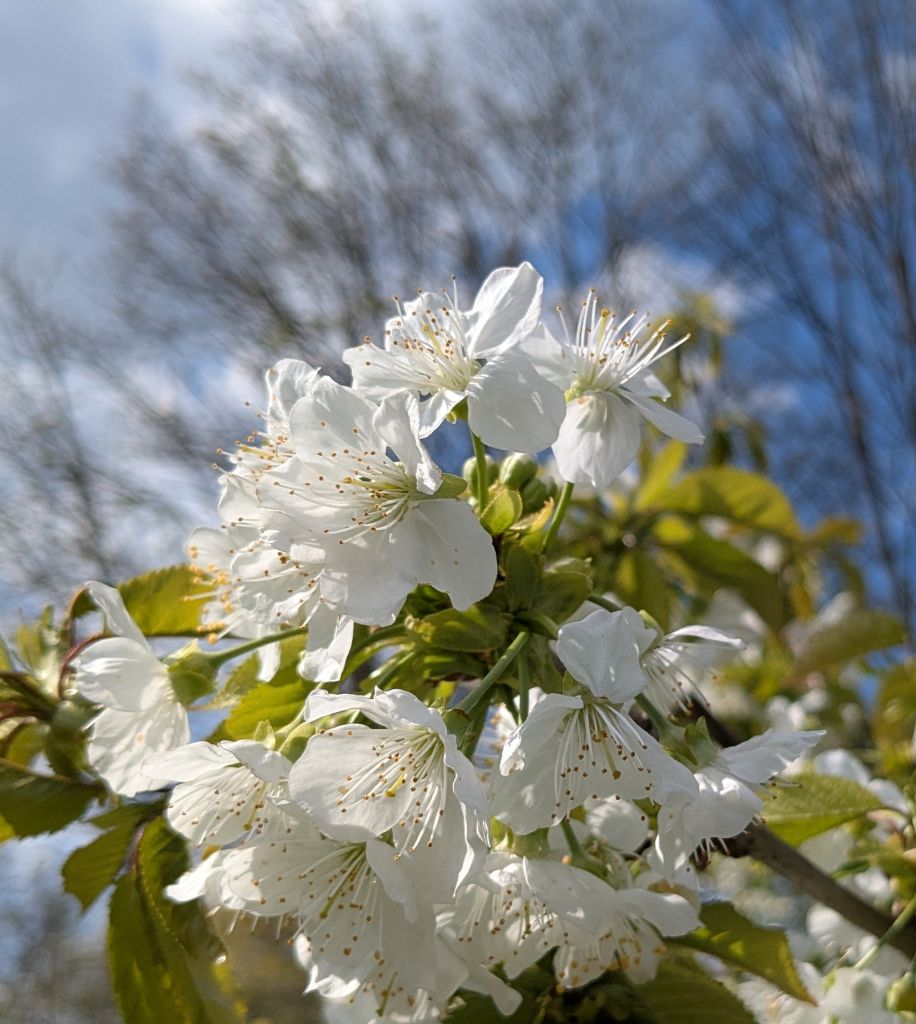
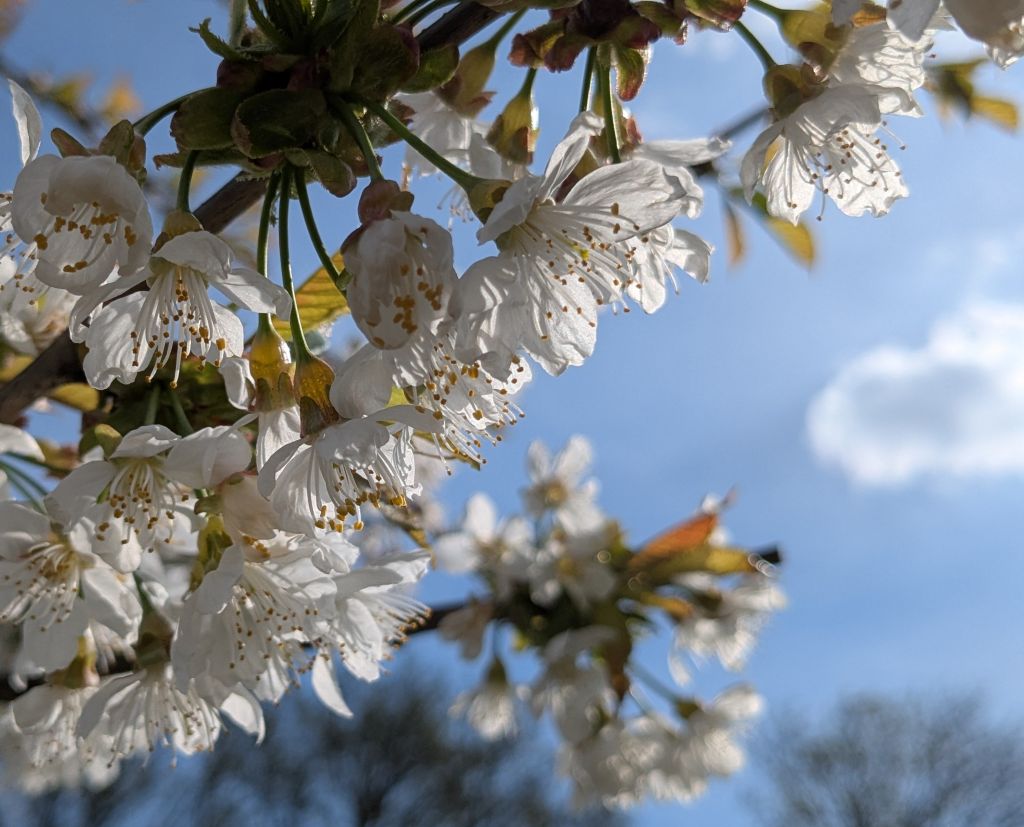
15.4.2025, Goldbek-Aue: Obstbaumblüte / Fruit trees blossoming

Finkenwerder Herbstprinz, https://de.wikipedia.org/wiki/Finkenwerder_Herbstprinz: … Name einer alten Apfelsorte von der Niederelbe … glockenförmig, grün, halbseitig rot gestreift, aromatisch herb-süß bis fein säuerlich … neigt zum Welken – wobei er erst leicht angewelkt sein volles Aroma … erlangt. In den 1960er Jahren … ein wichtiger Wirtschaftsapfel im Raum Hamburg, heute … fast verschwunden … Art: Kulturapfel (Malus domestica); Herkunft: Elbinsel Finkenwerder; bekannt seit: 1860er Jahren / [DeepL:] Name of an old apple variety from the Lower Elbe … bell-shaped, green, with red stripes on one side, aromatic, tart-sweet to finely tart … tends to wilt – but only reaches its full aroma … when slightly wilted. In the 1960s … an important commercial apple in the Hamburg area, today … almost disappeared … Species: cultivated apple (Malus domestica); origin: Elbe island of Finkenwerder; known since: 1860s.

Alkmene, https://de.wikipedia.org/wiki/Alkmene_(Apfel): … eine Sorte des Kulturapfels … für den Anbau in trockenerem Klima als Ersatz-Sorte für den ‘Cox Orange’ gezüchtet … Die Kreuzung … aus Cox Orange und Geheimrat Dr. Oldenburg war eine der ersten Arbeiten des Kaiser-Wilhelm-Instituts für Züchtungsforschung in Müncheberg, dem späteren Max-Planck-Institut für Pflanzenzüchtungsforschung. Ziel war es, eine dem Cox Orange ähnliche Sorte zu züchten, die in Gegenden mit trockenerem Sommerklima als jenes in England angepflanzt werden kann … seit 1960 im deutschen Erwerbsanbau vorhanden … Art: Kulturapfel (Malus domestica); Herkunft: Müncheberg [Brandenburg], …Institut für Acker- und Pflanzenbau: Züchtungsjahr: 1930 / DeepL:] … a cultivar of the cultivated apple … bred for cultivation in drier climates as a substitute variety for the ‘Cox Orange’ … The cross … between Cox Orange and Geheimrat Dr. Oldenburg was one of the first works of the Kaiser Wilhelm Institute for Breeding Research in Müncheberg [Brandenburg], which later became the Max Planck Institute for Plant Breeding Research. The aim was to breed a variety similar to the Cox Orange that could be planted in areas with a drier summer climate than that in England … available in German commercial cultivation since 1960 … Species: Cultivated apple (Malus domestica); Origin: Müncheberg, … Institut für Acker- und Pflanzenbau; Breeding year: 1930.


Dönnissens Gelbe Knorpelkirsche, https://de.wikipedia.org/wiki/D%C3%B6nissens_gelbe_Knorpelkirsche: auch Bernsteinkirsche, … aufgrund ihrer farblichen Besonderheit eine der bekanntesten Kirschsorten Deutschlands … Die Sorte wurde in Guben [Niederlausitz] als Sämling entdeckt und nach ihrem Züchter benannt … vom Pomologen Georg Liegel 1825 erstmals erwähnt … Aufgrund der Farbe leidet die Sorte deutlich weniger unter Vogelfraß und Kirschfruchtfliegenbefall als andere … Der Baum ist … selbststeril und braucht einen Befruchtungspartner / [DeepL:] … also known as amber cherry, … one of the best-known cherry varieties in Germany due to its distinctive color … The variety was discovered as a seedling in Guben [Lower Lusatia] and named after its breeder … first mentioned by the pomologist Georg Liegel in 1825 … Due to its color, the variety suffers significantly less from bird damage and cherry fruit fly infestation than other … The tree is … self-sterile and needs a pollination partner.

Kassins Frühe Herzkirsche, https://de.wikipedia.org/wiki/Kassins_Fr%C3%BChe_Herzkirsche: … Die Sorte wurde 1868 in Werder [an der Havel] vom Obstzüchter Wilhelm Ludwig Kassin als Zufallssämling aufgefunden. Aufgrund ihrer sehr frühen Reife bei gleichzeitig hohen Erträgen war sie lange eine der wichtigsten Sorten im Erwerbsanbau, wurde dann aber von der großfrüchtigeren Burlat verdrängt. In den Streuobstwiesen … immer noch sehr stark vertreten … Die Frucht … reift in der 1. bis 2. Kirschwoche, zu einer Zeit, in der meist noch keine Probleme mit der Kirschfruchtfliege auftreten … Der Baum ist …selbststeril und braucht einen Befruchtungspartner. Geeignet sind … Dönissens gelbe Knorpelkirsche … / [DeepL:] … The variety was discovered in 1868 in Werder [an der Havel] by fruit breeder Wilhelm Ludwig Kassin as a chance seedling. Due to its very early ripening and high yields, it was one of the most important varieties in commercial cultivation for a long time, but was then displaced by the larger-fruited Burlat. In the orchards … still very strongly represented … The fruit … ripens in the 1st to 2nd week of cherry ripening, at a time when there are usually no problems with the cherry fruit fly … The tree is … self-sterile and needs a pollination partner. Suitable are … Dönissen’s yellow cartilage cherry …

9-11 Apr 2025, Φ♣ Hannover-Herrenhausen, InterAcademyPartnership (IAP) et al.: International Urban Health Summit (IUHS)

9.-11.4.2025, Hannover-Herrenhausen, InterAcademyPartnership (IAP) et al.: International Urban Health Summit (IUHS)

Conference organizers:

Plenaries (beyond “Welcome” and “Setting the scene”):

  1. Urban Planning & Governance
  2. Built Environment & Urban Health
  3. Natural Environment, Climate Change & Urban Health
  4. Public Engagement & Urban Decision Making
  5. AI & Urban Health
  6. Education & Urban Health
  7. Final: Wrap up, next steps & closing remarks.

Supplemented by Breakout sessions, incl. “ART goes Urban Health” and “Nature Therapy”, and Poster session.

Program, final version:


IAP Press release on IUHS, 11 Apr 2025, https://www.interacademies.org/news/future-urban-health-starts-hannover-summit: The future of urban health starts at the Hanover Summit …brought together over 350 experts from 30 countries to explore the growing impact of urbanisation on health and to lay the groundwork for a global, interdisciplinary initiative in urban health – one that aligns science, policy and innovation for the future of city living … “attention to urban health has not been a priority for those in public health or medicine until now,” said Jo Ivey Boufford, … founding board member of ISUH … Researchers, practitioners and policy-makers from all corners of the world … presented global trends in urbanisation and its challenges, including social density, the growth of mega-cities, pollution, the distress of those living on the margins of society and their isolation. “Urban health is an issue that brings together several disciplines, from the medical professions to urban planning, via architecture, social sciences and even the arts,” added Peggy Hamburg, IAP co-President. “The scientific academies … should play an important role in promoting a holistic approach in this field,” she emphasised. This is the starting point of a global project led by an IAP working group to design, including through the use of artificial intelligence, an interdisciplinary programme that will bring together education, transport, social justice and urban health promotion services for a more liveable and resilient city.

For summary, press release and photo galleries, see https://www.interacademies.org/news/urban-health-global-agenda-highlights-iuhs-2025.

VW Foundation, https://www.volkswagenstiftung.de/de/veranstaltungen/international-urban-health-summit


The research program “City of the Future- Healthy and sustainable metropolises” (www.urban-health.de, www.stadt-und-gesundheit.de), funded by Fritz and Hildegard Berg Foundation, was involved in the conference. Advisory Board and network members provided presentations, contributed to conference preparation, and (co-)chaired sessions:

  • Plenary session 1 “Urban planning and governance”
  • Breakout session 1-A “Urban planning for equity and cities’ resilience”
  • Breakout session 1-B “Addressing implementation gaps”.

Plenary session 1 “Urban planning and governance”

  • Marcus Grant, Editor in Chief – Cities & Health, United Kingdom
  • Heike Köckler, Bochum University of Applied Sciences / Academy for Territorial Development in the Leibniz Association (ARL), Bochum, Germany
  • Carlos Moreno, Université Paris 1, Panthéon-Sorbonne and École des Ponts ParisTech, France
  • Samuel Gachohi Njuguna, UN-Habitat, Nairobi, Kenya
  • Wu Zhiqiang, Chinese Academy of Engineering, Beijing, China

Chair: Rainer Fehr, Medical Faculty OWL, U Bielefeld.

Session exposé: Managing the pace of urbanization and promoting an approach to urban planning that fosters human health and wellbeing are at the core of the issues to be explored in this plenary session. The session will also examine ways to mobilize the political leadership to bring multiple stakeholders to the table. To advance a ‘Health in All Policies’ approach that promotes equity is a critical challenge for the future of cities.

Foto credits (above): Sofia Nitti/ The InterAcademy Partnership (IAP)

Framing slides, framing annotations (RF) [25-01].


Breakout session 1-A “Urban planning for equity and cities’ resilience”

  • Sainath Banerjee, Urban Plus Solutions, India
  • Sabine Baumgart, Bremen, formerly TU Dortmund, Germany: Urban Planning for healthy and resilient cities – insights from Germany
  • Lisa Waegerle, University of Applied Sciences in Bochum, Germany, and Julia Espinoza, Founder of the self-managed housing cooperative “Luchadores de Lo Hermida” in Santiago de Chile, Chile: Health justice through self-organized structures in urban planning: The example of dignified housing projects in Santiago de Chile
  • Dennis Schmiege, Institute for Urban Public Health, Essen, Germany / Global Health Hub: Urban Health governance tools, from Global Health Hub perspective

Chair: Heike Köckler, Bochum University of Applied Sciences / Academy for Territorial Development in the Leibniz Association (ARL), Bochum, Germany

Session exposé: Urban planning as one policy field addressing relevant determinants of health is dealt with in this breakout session. The focus will be on ways to reach more health equity within urban societies and to increase cities resilience towards existing challenges like climate change, housing scarcity and pandemics. Insights from Germany, Chile, India and a global perspective will be put for discussion.


Breakout session 1-B “Addressing implementation gaps”

  • Julius Freymüller, University Bielefeld, Germany: Good governance for urban green – Explorative review
  • Thomas Claßen, LZG.NRW, Bochum, Germany: Implementing Municipal Public Health Action Plans in North Rhine-Westphalia
  • Kolja Lange, Region of Hannover, Germany / Gesunde-Städte-Netzwerk (GSN): Healthy Cities networking to foster good governance
  • Anne-Lisa Heye, University Applied Sciences, Bochum, Germany: The Innovations Community Urban Health (ICUH) Project
  • Franz Gatzweiler, Bonn University: A measure and method for assessing the systemic health of cities and human settlements.

Chairs: Samuel Gachohi Njuguna, UN-Habitat, Nairobi, Kenya; and Claudia Hornberg, Medical Faculty University of Bielefeld, Bielefeld (substituted by Rainer Fehr).

Session exposé: Even with the best of intentions, urban health and sustainability cannot materialize without robust implementation mechanisms. Implementation of programs and/or legal regulations means “real world” changes – in the environment and in institutions, fostering healthy living conditions. Non-implementation, however, is widespread and needs to be addressed. This session aims to identify steps forward, e.g. via dedicated (legal) case studies concerning the implementation and evaluation of health-promoting and health-protecting tools and actions.


Health governance – significant materials from UN Habitat:


IUHS breakout activities beyond science:


Schloss Herrenhausen, https://de.wikipedia.org/wiki/Schloss_Herrenhausen: … ehemalige Residenz der Kurfürsten und Könige von Hannover … klassizistische Dreiflügelanlage … 1819 bis 1821 durch König Georg IV. von Georg Ludwig Friedrich Laves erbaut. Nach der Zerstörung 1943 wurde das Schloss 2011 bis 2013 wiederaufgebaut … Sitz des Tagungszentrums und des Museums Schloss Herrenhausen …

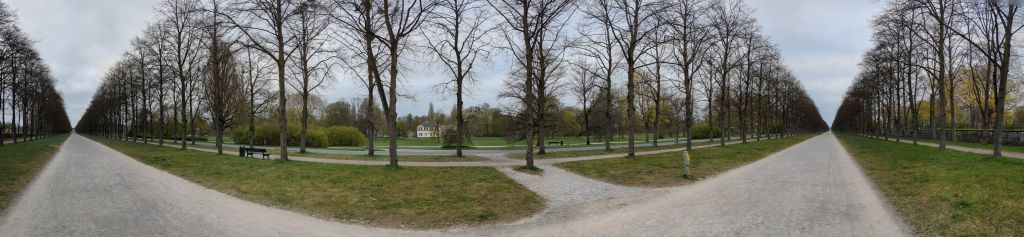
Herrenhäuser Gärten, https://de.wikipedia.org/wiki/Herrenh%C3%A4user_G%C3%A4rten: … Der Große Garten … zählt zu den bedeutendsten Barockgärten in Europa … das historische Kernstück der Herrenhäuser Gärten … Georgengarten … 1726 … Anlage der zwei Kilometer langen, vierreihigen Herrenhäuser Allee …

[23-23]


Cf.:

  • 6 Mar 2025, Φ International Urban Health Summit (9-12 April 2025): program update
  • 6 Feb 2025, Φ Towards the International Urban Health Summit (IUHS), Hannover, 9-11 April 2025 – Draft program
  • 25-26 Nov 2024, Φ♣ Wattenscheid: 10. Konferenz Stadt der Zukunft – Gesunde, nachhaltige Metropolen
  • 8 Nov 2024, Φ Announcements of the International Urban Health Summit (IUHS), Herrenhausen Castle, Hannover, 9-11 April, 2025
  • 6 Nov 2024, Φ♣ Akademientag 2024: In Städten gesund leben – in gesunden Städten leben
  • 4 Sep 2024, Φ Academies’ Urban Health project
  • 20 Mar 2024, Φ Ausschreibung: Junior-Forschungsgruppe zu Gesunden Nachhaltigen Metropolen / Call for proposals: Junior research group on Healthy Sustainable Metropolises
  • 21-22 Nov 2023, Φ♣ KIX – IX. Konferenz Stadt der Zukunft, Bonn / 9th Conference City of the Future, Bonn
  • 20 Nov 2020, Φ Dt. Stiftungszentrum: Jahresbericht 2020 „Lichtblicke“, inkl. „Stadt der Zukunft“
  • 2013ff Project Urban health – Building bridges
  • 8-11 Dec 1993, Φ San Francisco: 1st International Healthy Cities and Communities conference, incl. EIA/HIA session
  • 6-7 Dec 1993, Φ San Francisco, Preconference: Healthy Cities Communications Toolbox Summary.