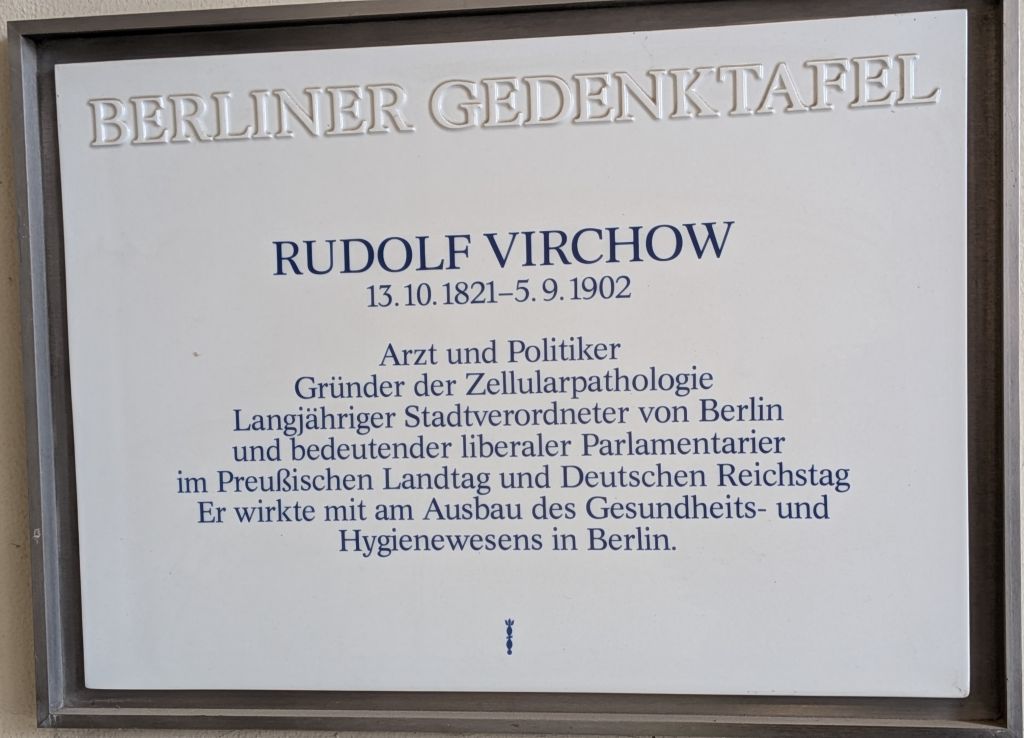
8.3.2026, Berlin Charité, Campus Rudolf Virchow
Exkursion beschrieben in / Excursion described in: Brinkschulte, Eva; Knuth, Thomas (2010): Das medizinische Berlin. Ein Stadtführer durch 300 Jahre Geschichte. Be.bra Verlag, Berlin. pp.231-240: (Spaziergang) Das Rudolf-Virchow-Krankenhaus, heute: Charité, Campus Rudolf Virchow
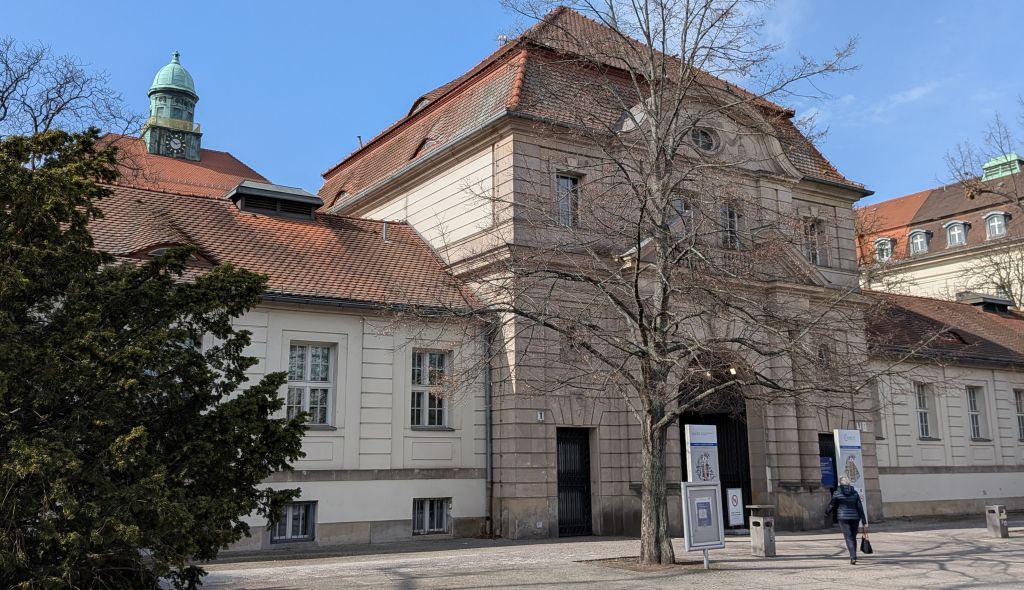
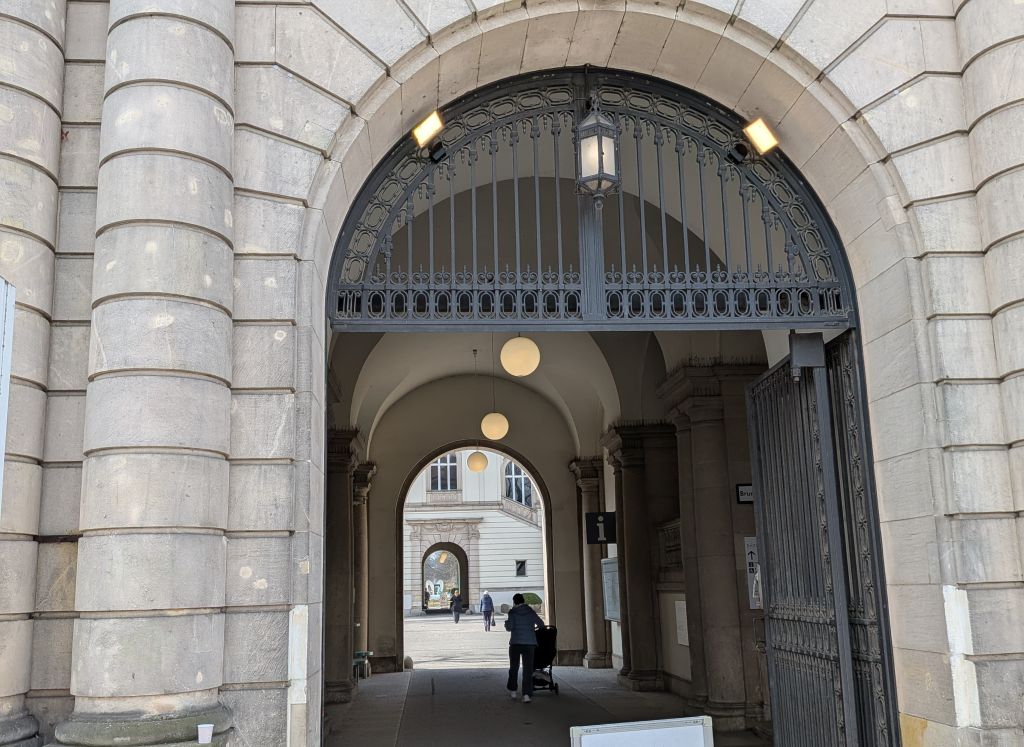
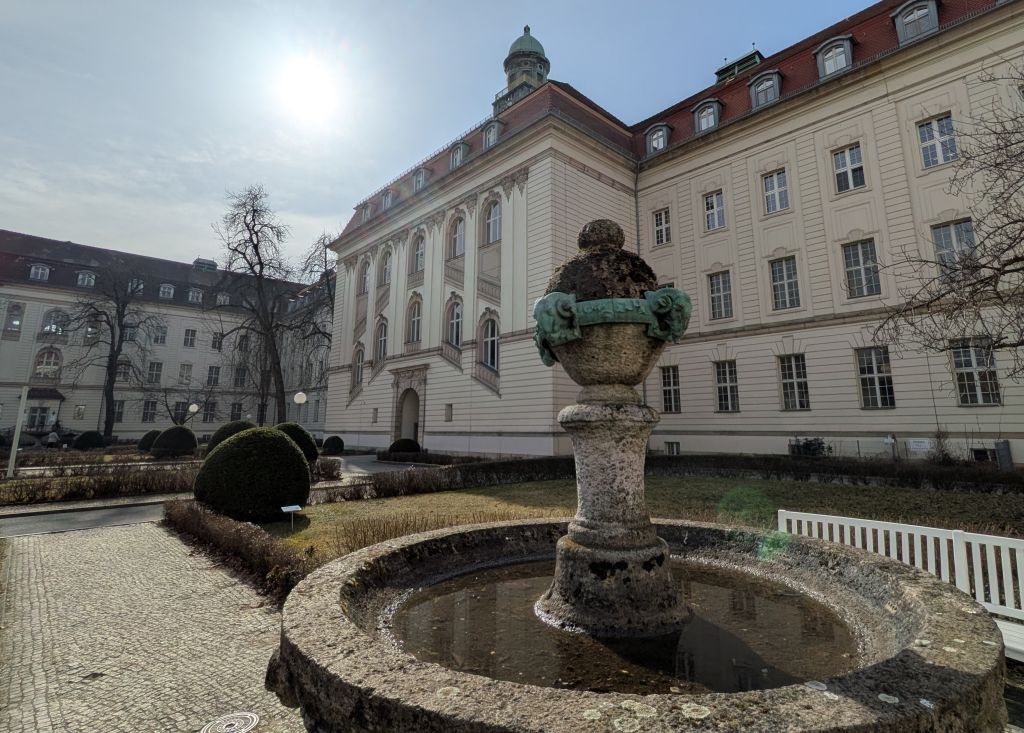
- p.231 … Haupteingang Augustenburger Platz … Eingangsportal … Brunnenhof … Mittelbau … / … Main entrance Augustenburger Platz … Entrance portal … Brunnenhof … Central building …
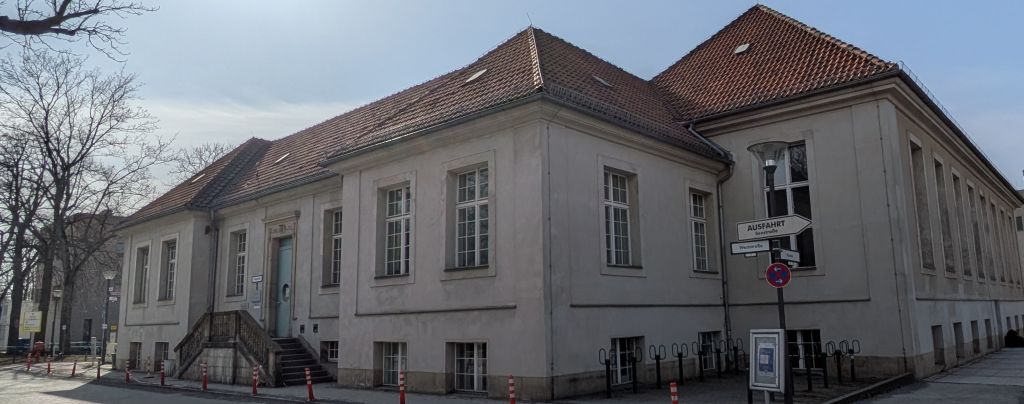
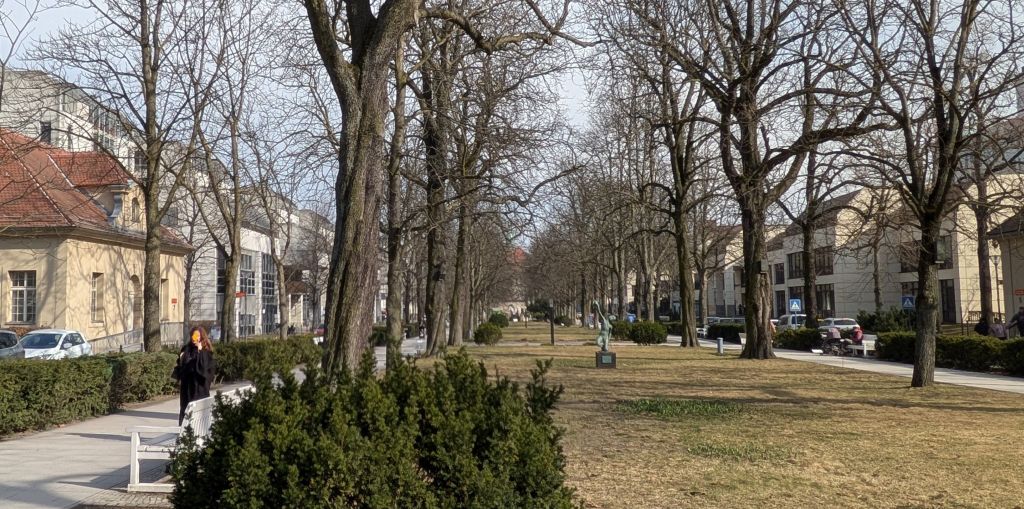
- p.232 … das Deutsche Herzzentrum Berlin … Halle des Hauptgebäudes … 425 Meter lange Hauptallee … Ursprünglich lagen links und rechts dieser Achse 21 Krankenpavillons … / … The German Heart Center Berlin … Hall of the main building … 425-meter-long main avenue … Originally, there were 21 hospital pavilions to the left and right of this axis …
- p.233 … Hauptallee, … heute Mittelallee genannt … / … Main avenue, … today called Mittelallee …
- p.234 … „Gartenstadt für Kranke“ … Krankenhaus 1906 eröffnet … / … “Garden city for the sick” … Hospital opened in 1906 …
- p.235 … Mittelallee … Abschluss … in einem repräsentativen Gebäude, in dem das Pathologische Institut … untergebracht war … / … Central Avenue … End … in a prestigious building that housed the Pathological Institute …
- p.238 … gehörte zu den ersten Krankenhäusern, an denen Syphiliskranke mit Salvarsan behandelt wurden … Bis zur Entwicklung des Medikaments waren Quecksilberkuren die übliche, mit schwersten Nebenwirkungen behaftete Therapie bei Syphilis. Zur Betreuung der Erkrankten, die unter den auch Zähne und Zahnfleisch betreffenden Nebenwirkungen … litten, stellte man auch einen Zahnarzt ein … / … was one of the first hospitals to treat syphilis patients with Salvarsan … Until the drug was developed, mercury treatments were the standard therapy for syphilis, with severe side effects. A dentist was also hired to care for patients who suffered from side effects that also affected their teeth and gums …
- p.239 … Aus dieser „Keimzelle“ entwickelte sich nach dem Ersten Weltkrieg Berlins erste und Deutschlands zweite Klinik für Mund-, Kiefer- und Gesichtschirurgie … / … After the First World War, this “nucleus” developed into Berlin’s first and Germany’s second clinic for oral and maxillofacial surgery …
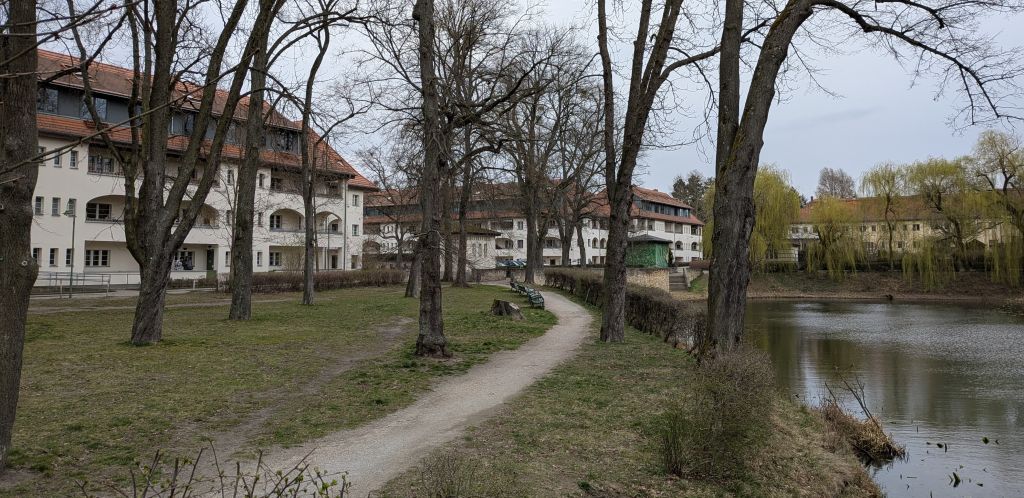
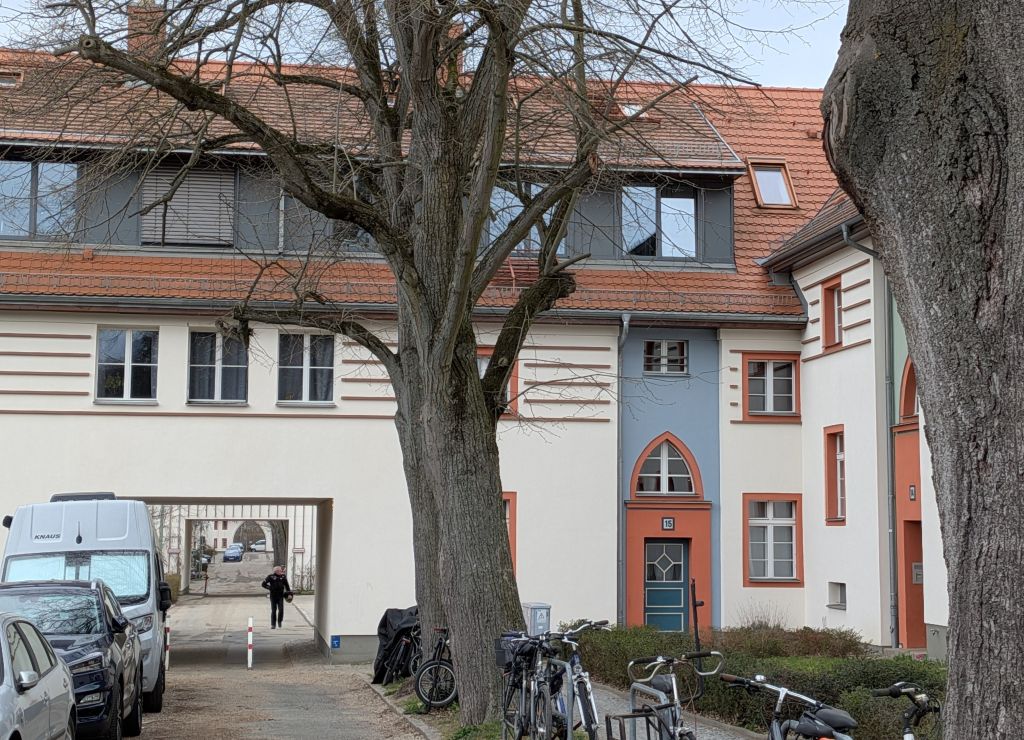
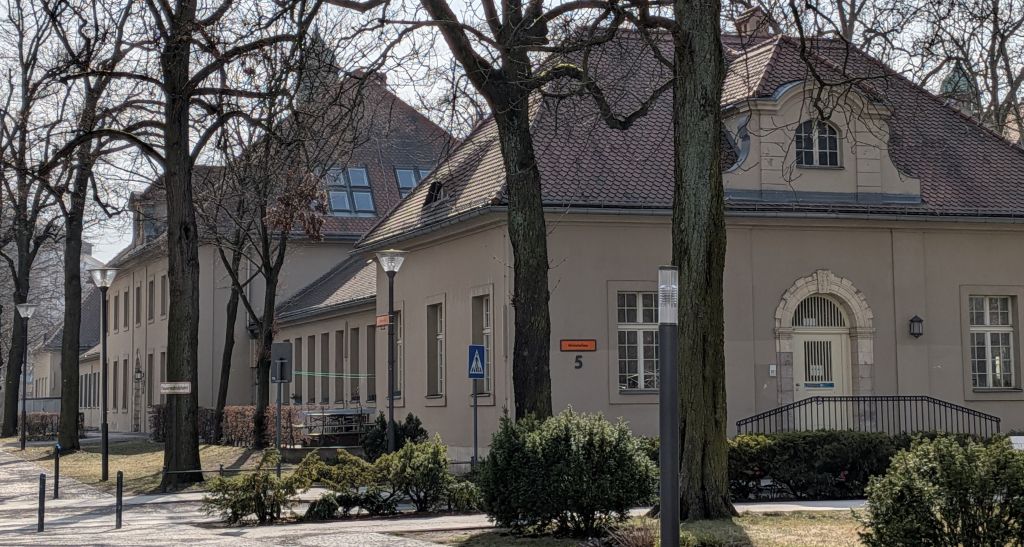
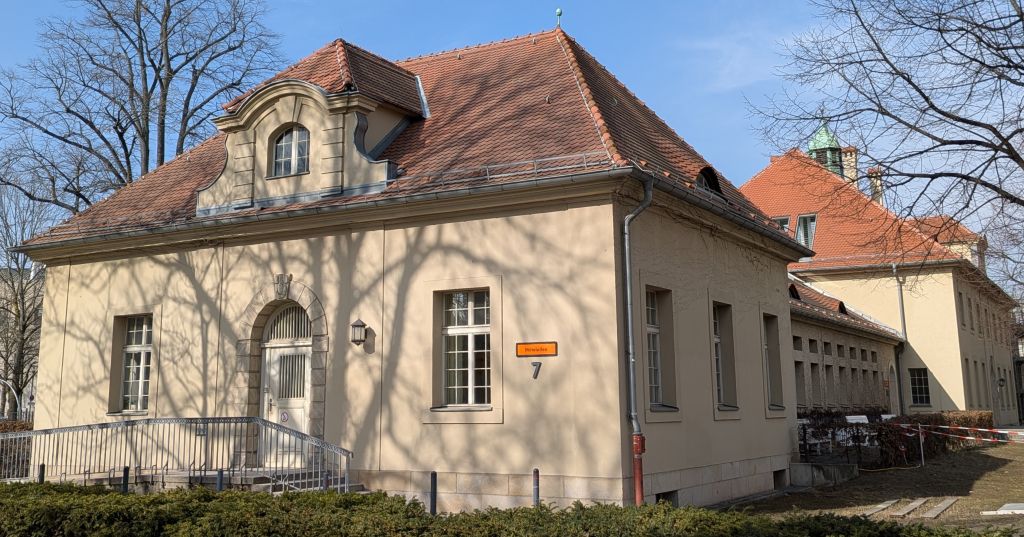
Charité, https://www.charite.de/die_charite/campi/campus_virchow_klinikum/: Auf Initiative von Rudolf Virchow wurde im Norden Berlins – im Bezirk Wedding – zwischen 1898 und 1906 ein viertes Städtisches Krankenhaus errichtet … das letzte, das im so genannten Pavillonstil gebaut wurde … entstanden 57 Einzelbauten mit 2.000 Betten. 700 Angestellte, Ärzte, Pfleger und Dienstkräfte, konnten hier auch wohnen … grüne Hauptachse mit einer Kastanienalle … Bänke, Rasenflächen, Blumenbeete und ein Springbrunnen gaben der Anlage ein parkähnliches Gepräge … Mit dem Wiederaufbau nach dem Zweiten Weltkrieg verschwand die Pavillonstruktur weitestgehend. 1986 … der Freien Universität unterstellt. Die seit 1987 “Universitätsklinikum Rudolf Virchow” genannte Einrichtung wechselte 1995 an die Humboldt-Universität … / On the initiative of Rudolf Virchow, a fourth municipal hospital was built in the north of Berlin—in the district of Wedding—between 1898 and 1906 … the last to be built in the so-called pavilion style … 57 individual buildings with 2,000 beds were constructed. 700 employees, doctors, nurses, and service staff were also able to live here … green main axis with a chestnut avenue … Benches, lawns, flower beds, and a fountain gave the complex a park-like character … With the reconstruction after the Second World War, the pavilion structure largely disappeared. In 1986 … it was placed under the authority of the Free University. The facility, known since 1987 as the “Rudolf Virchow University Hospital,” was transferred to Humboldt University in 1995 …
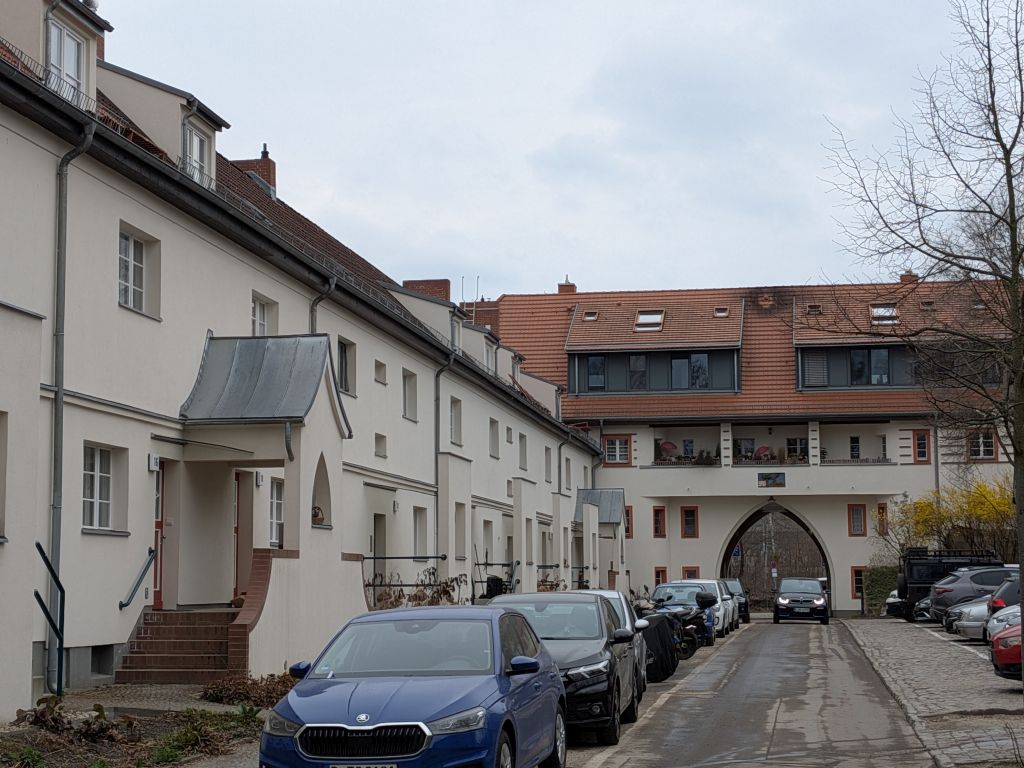
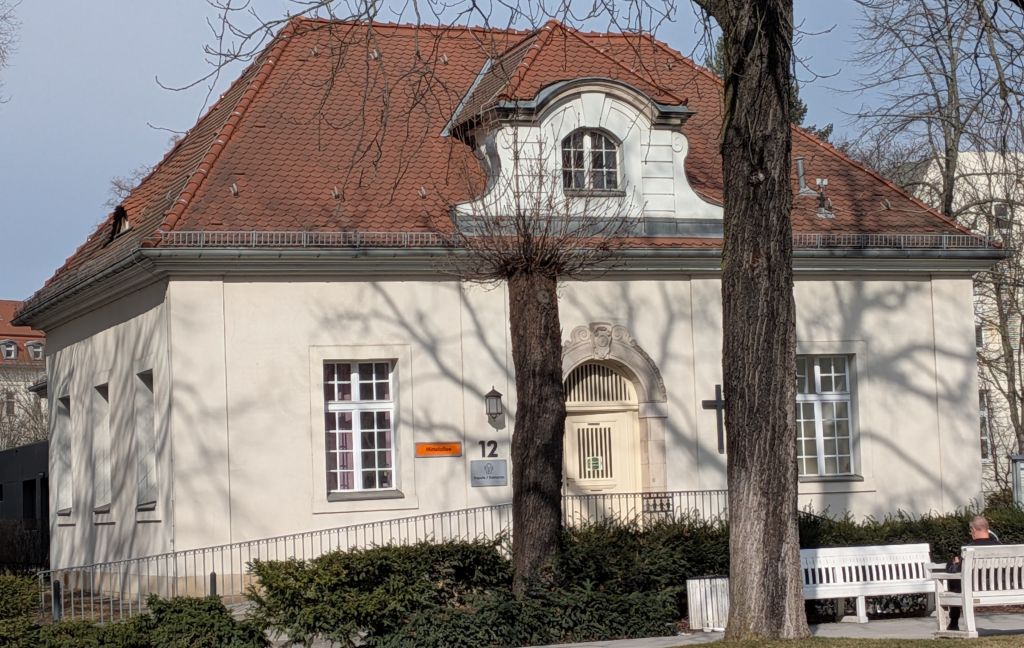
Wikipedia, https://de.wikipedia.org/wiki/Rudolf-Virchow-Krankenhaus: … Der ursprünglich als Gartenstadt konzipierte Klinikkomplex mit seinen 55 freistehenden Gebäuden galt bei seiner Einweihung als modernste Krankenhausanlage Europas … Die erhaltenen Gebäude der ursprünglichen Klinikanlage stehen unter Denkmalschutz … / … Originally designed as a garden city, the hospital complex with its 55 detached buildings was considered the most modern hospital facility in Europe when it was inaugurated … The preserved buildings of the original hospital complex are listed as historical monuments …
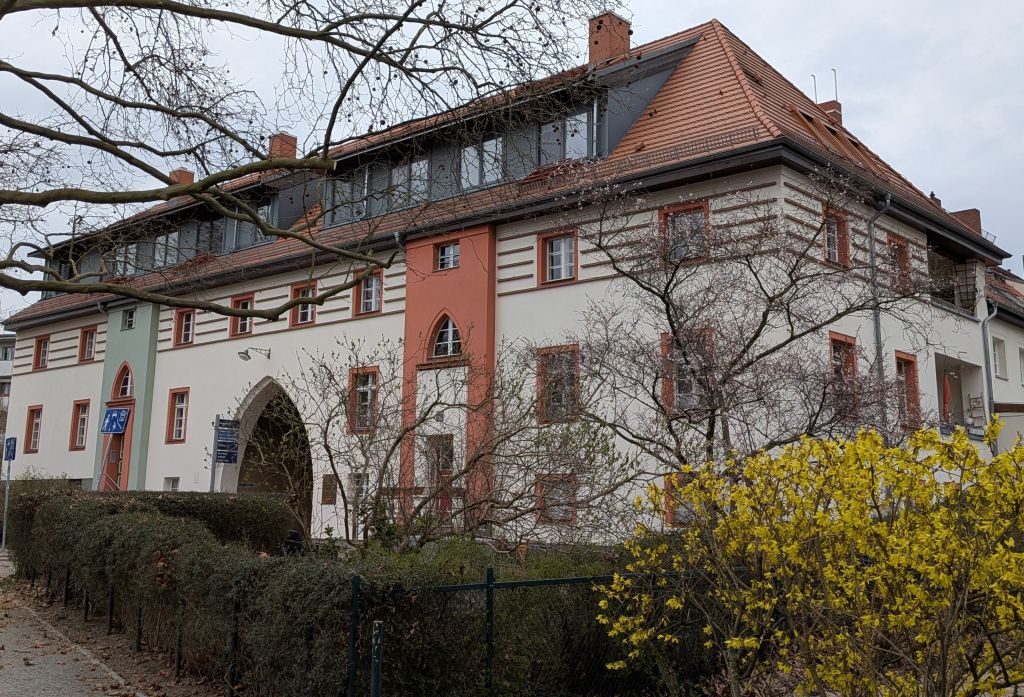
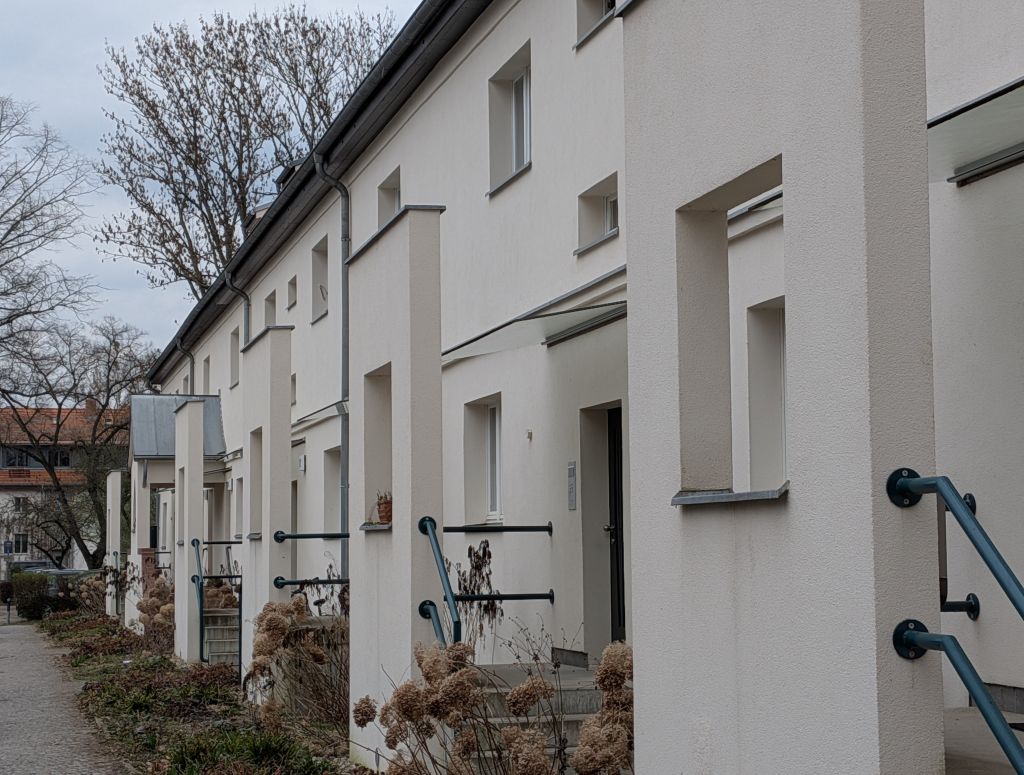
Landesdenkmalamt Berlin, Denkmaldatenbank, https://denkmaldatenbank.berlin.de/daobj.php?obj_dok_nr=09030283: … Stadtbaurat Ludwig Hoffmann schuf eine “Gartenstadt für Kranke” mit über fünfzig freistehenden Gebäuden, die nach dem Pavillonsystem in begrünte Freiflächen eingebettet waren … Es gelang dem Architekten, die logische Organisation eines neuzeitlichen Krankenhauses … mit einer überzeugenden städtebaulichen Disposition zu vereinen. Die liebevoll und freundlich gestalteten Bauten, die sich Licht, Luft und Sonne öffnen, sollten aktiv zur Genesung der Kranken beitragen … verdeutlicht das Bestreben der wilhelminischen Gesellschaft, die sozialen Probleme auf eine … ästhetisch überzeugende Weise zu lösen. Für seine menschliche, sozial verpflichtete Architektur wählte … Hoffmann überwiegend barocke Bauformen, die an Vertrautes erinnern und das Gefühl der Geborgenheit erwecken. Dazu gehören ziegelgedeckte Mansard- oder Walmdächer, einfache Putzfassaden, Streifenquaderung … und kleinteilige Sprossenfenster … / … City planning officer Ludwig Hoffmann created a “garden city for the sick” with over fifty detached buildings embedded in green open spaces according to the pavilion system … The architect succeeded in combining the logical organization of a modern hospital … with a convincing urban layout. The lovingly and cheerfully designed buildings, which are open to light, air, and sun, were intended to actively contribute to the recovery of the sick … illustrating the Wilhelmine society’s desire to solve social problems in an … aesthetically convincing manner. For his humane, socially committed architecture, Hoffmann predominantly chose Baroque building forms that are reminiscent of the familiar and evoke a feeling of security. These include brick-covered mansard or hipped roofs, simple plaster facades, strip rustication, and small-paned lattice windows …
[Transl.: DeepL]
Cf.:
- 15 Aug 2021, Φ Berlin, Luisenstraße: Kaiserliches Gesundheitsamt und Tierarzneischule
- 25 Nov 2018, Φ Berlin: Medizinhistorisches Museum Charité …
- 30 Jul 2018, Φ Berlin: Gesundheits-Tour LobbyPlanet

 Human ecology and health