
Centro Italo-Tedesco per l’eccellenza europea / German-Italian Centre for European Excellence / Deutsch-Italienisches Zentrum für europäische Exzellenz
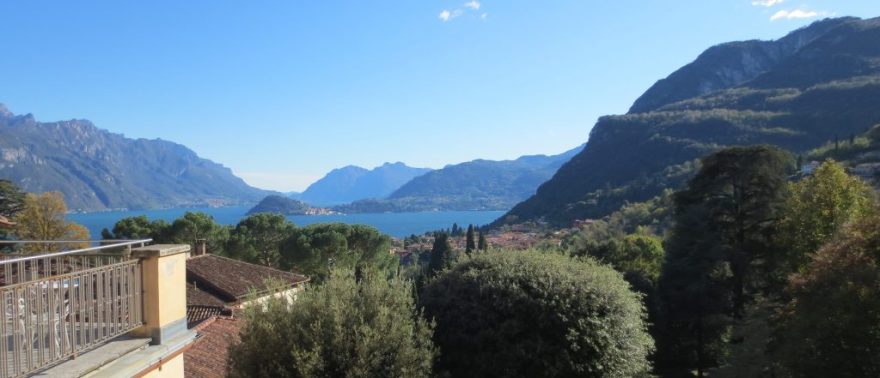
“Villa Vigoni promuove le relazioni italo-tedesche in prospettiva europea e internazionale nei campi della scienza, della formazione e della cultura / Villa Vigoni fosters the relationships between Italy and Germany in the fields of scientific research, higher education and culture in a European and international perspective / Villa Vigoni fördert die deutsch-italienischen Beziehungen in Wissenschaft, Bildung und Kultur in europäischer und internationaler Perspektive”


“Sul finire del XVIII secolo Enrico (Heinrich) Mylius (1769-1854), commerciante nativo di Francoforte sul Meno, si stabilì a Milano insieme con la moglie Friederike, nata a Weimar. Nel giro di pochi anni divenne imprenditore facoltoso e assai in vista negli ambienti cittadini milanesi … Dalla sua sede milanese mantenne buoni contatti con molte personalità della corte di Weimar, in particolare con Goethe cui fu legato da lunga amicizia / At the end of the 18th century Heinrich (Enrico) Mylius (1769-1854), a businessman from Frankfurt, moved to Milan with his wife Friederike Schnauss (1771-1851), descendant of an important family from Weimar. In a few years, he managed to make an immense fortune and achieved renown as an entrepreneur … From his place of residence in Milan he maintained close ties with major personalities at the Weimar’s court, especially with Johann Wolfgang von Goethe, with whom he remained on cordial terms throughout his life / Der Frankfurter Kaufmann Heinrich (Enrico) Mylius (1769-1854) ließ sich Ende des 18. Jahrhunderts mit seiner Ehefrau Friederike, die aus Weimar stammte, in Mailand nieder. Binnen weniger Jahre gelangte er dort als Unternehmer … zu Wohlstand und Ansehen. Von Mailand aus pflegte er gute Kontakte zu den Persönlichkeiten des Weimarer Hofs, insbesondere zu Johann Wolfgang Goethe, mit dem er zeitlebens freundschaftlich verbunden blieb.“


“Mylius era uomo dalla notevole personalità e dai molteplici interessi. Il successo economico … gli diede occasione di finanziare numerose iniziative caritatevoli e socialmente utili; fondò, insieme con altri, la SIAM (Società d’Incoraggiamento Arti e Mestieri), istituì Premi per artisti e commissionò in prima persona numerose opere d’arte. Il suo contributo allo scambio e alle relazioni culturali fra Italia e Germania è incalcolabile / Mylius was an impressive and multi-talented man who wanted to share his wealth … with the society. Hence he financed numerous charitable organizations, founded a technical university and provided artists with orders and awards. His contributions towards the promotion of cultural exchanges between Italy and Germany are invaluable / Mylius war ein eindrucksvoller, vielseitiger Mann, der seinen Erfolg als Unternehmer auch anderen zugute kommen ließ: So finanzierte er zahlreiche sozialkaritative Einrichtungen, gründete eine technische Hochschule und förderte Künstler durch Aufträge und Preise. Sein Verdienst um den kulturellen Austausch zwischen Italien und Deutschland ist immens.“
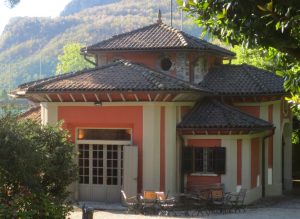
“Nel 1829 Enrico Mylius acquistò una tenuta di campagna a Loveno, sulle balze del lago di Como, per il figlio Giulio (Julius) intenzionato a sposare la giovane aristocratica milanese Luigia Vitali. L’anno seguente, però, Giulio morì pochi giorni dopo la celebrazione del matrimonio. Il padre volle allora trasformare la proprietà in un luogo di memorie … / In 1829 Heinrich Mylius acquired a country estate on Lake Como in Loveno for his son Julius, who intended to marry Luigia Vitali, a member of an aristocratic Milanese family. However, Julius died in the following year soon after the wedding. As a result, his father transformed the property into a place of remembrance … / 1829 erwarb Heinrich Mylius einen Landsitz oberhalb des Comer Sees in Loveno für seinen Sohn Julius, der plante, sich mit Luigia Vitali aus aristokratischer Mailänder Familie zu verheiraten. Doch Julius starb im Folgejahr kurz nach der Hochzeit. Der Vater ließ daraufhin das Anwesen zu einem Gedächtnisort … ausgestalten.“


„Luigia sposò più tardi in seconde nozze Ignazio Vigoni. Il nipote, … ultimo erede …, moriva nel febbraio del 1983 / The young widow Luigia married Ignazio Vigoni for her second marriage. Their grandson … died as the last descendant … in February 1983 / Die junge Witwe, Luigia, heiratete in zweiter Ehe Ignazio Vigoni. Ihr Enkel … starb im Februar 1983 als letzter Nachkomme …“




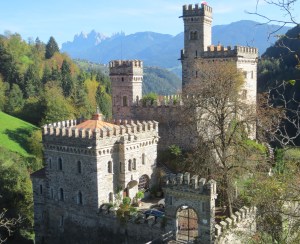 The castle is located in the Tinne valley above the Tinne creek (close to Bressanone / Brixen), goes back to the 12th century and since the 16th century fell into ruins. Rebuilt in 1880 in the historicizing style of Neo-Romanesque


