16-17 Oct 2007, Φ Dublin: HIA ’07 conf

16.-17.10.2007, Dublin (Ireland), Institute of Public Health in Ireland: “HIA ’07, an international conference. 8th International HIA conference: Healthy Public Policy – Is Health Impact Assessment the Cornerstone?”

Venue: Caisleán Átha Cliath (Dublin castle).

Selected program elements:

  • Healthy Public Policy and HIA
  • Sustainable Development
  • Evidence for HIA
  • Intersectoral working in HIA
  • Future steps for practitioners
  • Tools and methodology

Conference contributions:
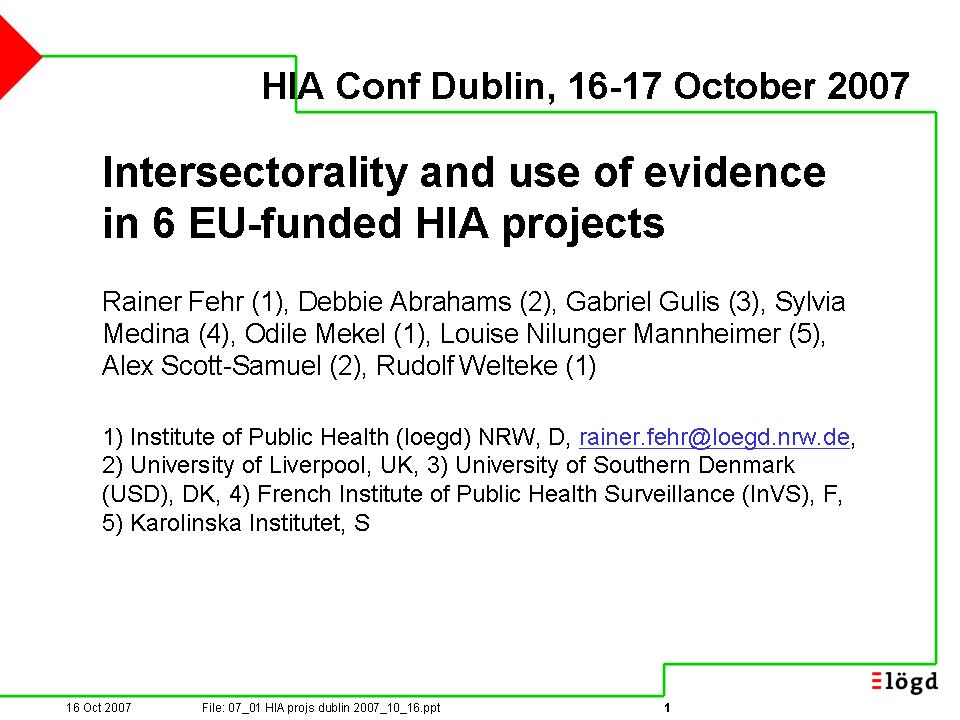
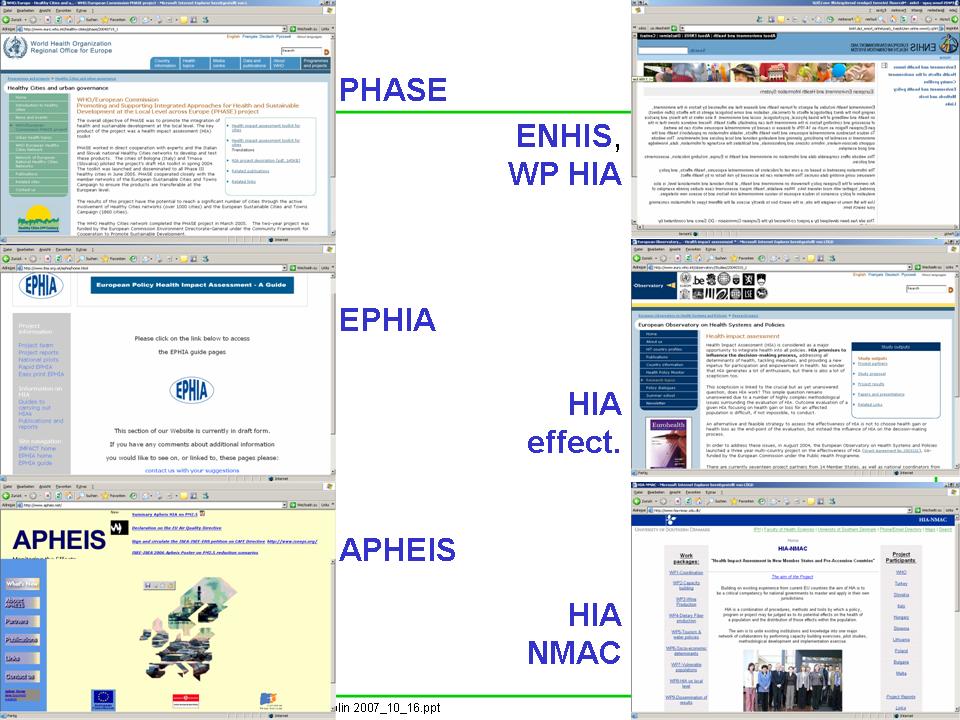
R. Fehr, D. Abrahams, G. Gulis, S. Medina, O. Mekel, L. Nilunger Mannheimer, A. Scott-Samuel, R. Welteke: Intersectorality and use of evidence in 6 EU-funded HIA projects. [07-01] Abstract: To investigate the scope and results of EU-funded international projects on HIA, we identified 6 such projects, completed by or before 2007: “Air Pollution and Health: European Information System” (APHEIS, 1999-2003); “European Policy HIA” (EPHIA, 2001-2004); “Promoting and Supporting Integrated Approaches for Health and Sustainable Development at the Local Level across Europe – Health Impact Assessment” (PHASE, 2003-2005); “Establishment of Environmental Health Information System Supporting Policy Making” (ENHIS): Work package HIA (2004-2007); “The effectiveness of HIA” (2004-2007); and “HIA in New Member States and Accession Countries” (HIA NMAC, 2005-2007). – In order to identify both commonalities and differences, the projects were analyzed with respect to: objectives; partner institutions and countries involved; work packages; methods employed; (preliminary) project results and products. Special attention was given to (i) intersectorality, i.e. which sectors (health, environment, development, etc.) were involved in each project, in what form, and with what type of result, (ii) use of evidence, i.e. which type of evidence was deemed relevant for HIA in each project; how should the evidence be established and how should it be made use of, according to each project. – These 6 projects, most of which were conducted with involvement of the World Health Organization (WHO), created a wealth of concepts and experiences on HIA, especially principles, procedures, methods, examples, policy briefings, tools, and evaluations of HIA initiation and implementation. They varied, e.g., with respect to focus on qualitative vs. quantitative methods; valuation of “risk assessment” type of approaches; priority given to participatory approaches; and efforts of dissemination. Hitherto, the projects were rarely viewed in a summary perspective. The paper includes a discussion of the opportunities and difficulties to harness and integrate the experiences from such a varied set of projects.
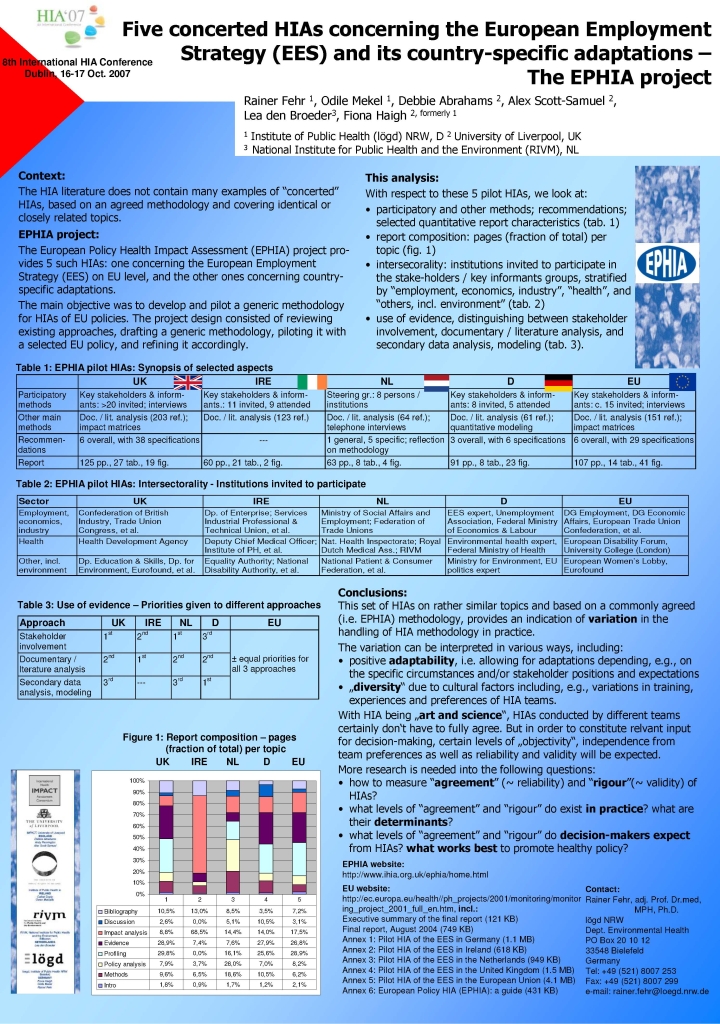
R. Fehr, O. Mekel, D. Abrahams, A. Scott-Samuel,  L. den Broeder, F. Haigh: Five concerted HIAs concerning the European Employment Strategy (EES) and its country-specific adaptations – The EPHIA project. [07-02] Abstract: The HIA literature does not contain many examples of “concerted” HIAs, based on an agreed methodology and covering identical or closely related topics. The European Policy Health Impact Assessment (EPHIA) project is a rare example, providing 5 such HIAs: one concerning the European Employment Strategy (EES) on EU level, and the other ones concerning country-specific adaptations. – The EU-funded EPHIA project was carried out by partners in the United Kingdom, Ireland, the Netherlands and Germany. The main objective was to develop and pilot a generic methodology for HIAs of EU policies. The project design consisted of reviewing existing approaches, drafting a generic methodology, piloting it with a selected EU policy, and refining it accordingly. Methods included comprehensive searches, content analysis, meetings, and interviews. – The paper focuses on 3 aspects: (i) mutual comparisons of the pilot HIAs which were based on a commonly agreed draft methodology, (ii) aspects of intersectorality represented in the pilot HIAs, and (iii) use of evidence in the HIAs. A synopsis of the pilot HIAs is presented, including methods employed, proposal analysis, health profiling, impact analysis, and conclusions. The paper presents and discusses selected commonalities and differences of the pilot HIAs in qualitative and quantitative view. As for intersectorality, the HIA reports are analyzed with respect to involvement of sectors such as employment, health, and environment. Concerning the use of evidence, approaches ranging from stakeholder involvement to mathematical modeling are taken into account. – Since this set of HIAs was conducted on (nearly) identical topics, based on a commonly agreed methodology, it provides an indication of variation in the handling of HIA methodology in practice. The paper addresses potential interpretations for the variation observed (e.g., positive flexibility) as well as conceivable consequences, including opportunities for harmonization of HIA approaches.

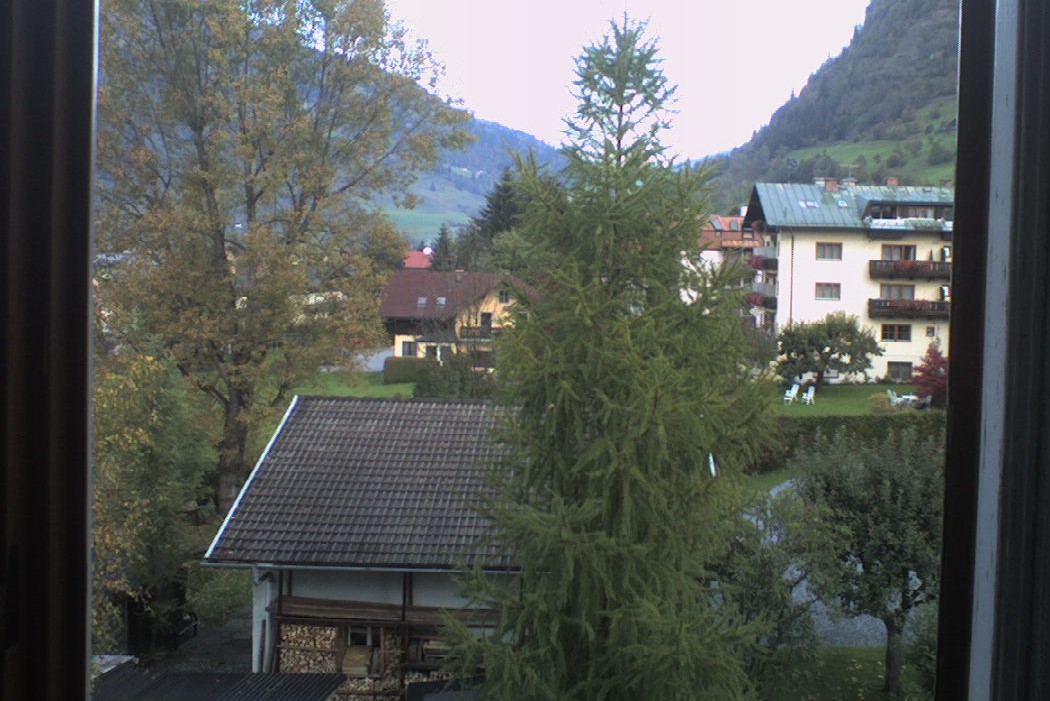
3-6 Oct 2007, Φ Gastein (A), 10. European Health Forum Gastein: „Shaping the future of health“

3.-6.10.2007, Gastein (A), 10. European Health Forum Gastein: „Shaping the future of health“

(Ursprgl. Bericht v. 14.10.2007 – gekürzt und leicht modifiziert 13.12.2023.) Das Gastein-Forum startete während österreichischer EU-Ratspräsidentschaft 1998, im “Gastein (Health) Valley”. Der Forums-Begründer Leiner sowie auch EU-Kommissar Kyprianou sehen es als führendes gesundheitspolitisches Forum in Europa etabliert; seine “4 Säulen” sind: Wissenschaft, Politik, Wirtschaft, Zivilgesellschaft; dazu die Medien. Wie mitgeteilt wurde, waren beim diesjährigen Forum >600 TeilnehmerInnen aus >50 Ländern.

Auswahl prominenter Sprecher: EU-Kommissar Markos Kyprianou, EU-Generaldirektor R. Madelin (DG Sanco), stellvertr. WHO-Regionaldirektorin (Europa) Nata Menabde, österreichischer Bundeskanzler A. Gusenbauer und österreichische Gesundheitsministerin Andrea Kdolsky.

Notizen zu besuchten Sessions (Auswahl):

1) Workshop: Tackling diabetes (Mi 3.10.07): Die Anzahl Diabeteskranker in D entspricht der Gesamtbevölkerung von Niedersachsen; die Ausgaben für Diabetes in D liegen höher als der Landeshaushalt von Niedersachsen. Körperliche Aktivität als Diabetes-Prävention: zumindest 150 min / Woche.

2) Plenarveranstaltung: „Healthy futures“ (= Kongresseröffnung) (Mi 3.10.07): Vorsitz: Patient:innenvertreter R. Johnstone (People with Arthritis and Rheumatism in Europe)

  • M. Marmot berichtete, dass Inequality sowohl innerhalb von Ländern als auch zwischen Weltregionen steigende Tendenz zeige. Bei verschiedensten Maßnahmen bestehe häufig ein Konflikt zwischen Equity und Effizienz; eine Ausnahme sei das “Investieren” in benachteiligte Kinder.
  • M. Chawla simulierte – mit viel positiver Resonanz – einen Beitrag, den er beim Gastein-Forum 2050 (im Alter von 92 Jahren) halten werde.
  • R. Bertollini zitierte Tony McMichael (BMJ 29.9.07 335:636): “Every ministry is a health ministry.”
  • R. Madelin (Director General for Health and Consumer Protection) erläuterte die neue EU-Gesundheitsstrategie, mit 4 Prinzipien: Value-driven (Gesundheit als ein Grundrecht); “Health is wealth”, recognizing the economic benefits of cost-effective health investments; “Health in all Policies”, incl. encouraging new partnerships at all levels; Global health, incl. EU’s voice on the global stage; tackling shared issues such as pandemic, climate change, …
  • Als strategische Ziele wurden genannt: Support healthy ageing through a lifecycle approach; Protect citizens from threats to health such as climate change; Support a sustainable future for health and health systems through new technologies.

3) Forum 2: Investment for health (Mi 3.-Do 4.10.07)

  • M. Marmot verwies darauf, dass Regierungen bevorzugt dann nach Cost-benefit-Relationen fragen, wenn sie nicht investieren wollen.
  • R. Watson: Klimawandel bedeute zusätzlichen Stress vor allem für schon jetzt stressbelastete Systeme. Den Weltmarkt nannte er “totally distorted”.
  • Carolyn Bennett: Public health braucht (viel) einfachere Botschaften, plain language, “myth busting data”. Die Missverständnisse seien zahlreich, z.B. denke die Öfentlichkeit bei “Surevillance” vor allem an Überwachungskameras in Schulen. – Regel: “If it’s measured, it gets noticed; if it gets noticed, it will be done.”- Einer Befragung zufolge wünschten sich 83% von Verwaltungsmitarbeitern (bei Entscheidungsfindung) “more information”; dies sei klares Argument für prädiktives HIA.
  • Chawla: Oft sei es nützlich, ein “counterfactual argument” einzusetzen: “What would happen if not investing”; dies sei Entscheidungsträgern oft einfacher zu vermitteln. – “Political will has to be first, economics will follow.”
  • Flynn: The genetics revolution is arriving. “…great hopes associated (and a little bit of fear)”
  • A. Fiedler (World Bank): “Economists are from Mars, Public Health specialists are from Venus”. – Wenn man “HiaP” beanspruche, müsse man auch “Economics in all policies” gelten lassen. Besondere Herausforderung: “how to value unintended consequences”.

4) Workshop 7: Health systems performance (Fr 5.10.07): J. Figueras: Triangle: Health / Health System / Wealth. – Churchill: “However beautiful the strategy, you should occasionally check the results.” – “A health system consists of all organizations, people and actions whose primary interest is to promote, restore or to maintain health.” – Upcoming WHO Ministerial Conference, Tallin, 25-27 June 2008.


Exercise: Läufe entlang der Gasteiner Ache und auf dem Gasteiner Höhenweg.

12-14 Sep 2007, Φ Prague: ENHIS Workshop

12.-14.9.2007 Prague: ENHIS Workshop

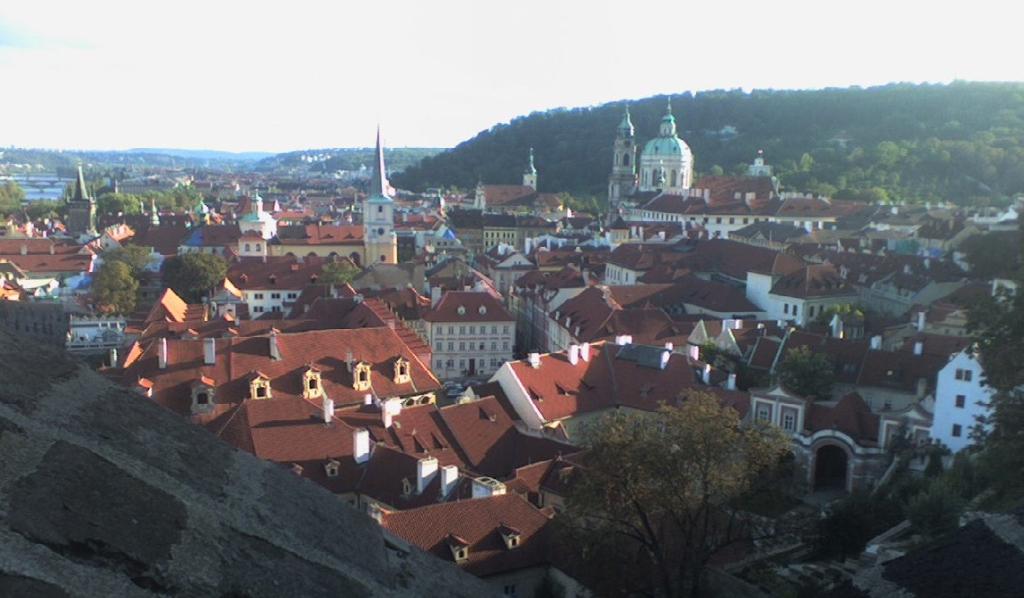
European Centre for Environment and Health, Bonn Office: Establishment of Environmental Health Information System Supporting Policy Making in Europe: ENHIS 2 project. Final meeting. Prague, Czech Republic, 12-14 September 2007.

Site of the meeting: National Institute of Public Health, Šrobárova 48, 100 42, Prague 10, www.szu.cz

Hotel Astra, Mukarovska 1740/18, 100 00 Praha 10, CZ [07-32]

For ENHIS, see portfolio entry.

Mai – Juni 2007, Φ

Mai – Juni 2007

28 Apr – 1 Mai 2007, in Heiligenhafen, Well-Sailing: Skipper-Sicherheitstraining, inkl. Feuerlöschübung, Rettungsinsel, Notfallmedizin, Bergung mit Spezialsegel, Hafenmanöver. Kleine Fahrt zur Fehmarnsund-Brücke mit Rückfahrt im Dunkeln, nach Lichtern

5-6 und 12-13 May, Münster: Fortbildung „Reisemedizin“

9 Mai 2007, Bonn, Tagung: Towards Sustainable Global Health” (IHDP, UN-EHS et al.)

17 Mai 2007, Radfahrt (Skrentny-Buch), letzter Teil von Barmbek: Dulsberg

27 Mai 2007, Hamburg: Rickmer Rickmers

31 May 2007, Hamburg: Miniatur Wunderland

2 Jun 2077, Kunstmuseum Stuttgart: CrossBorder (Foto und Video aus MUMOK Wien)

14 Jun 2007, Exkursion der Arbeitsgruppe Umwelt und Gesundheit, Fakultät für Gesundheitswissenschaften, Universität Bielefeld nach Hamburg: (i) Werksführung bei Fa. Airbus in Finkenwerder, (ii) Geführter Rundgang durch das Gebiet der entstehenden HafenCity [07-71]

17 Jun 2007, Bremen: Rathaus-Führung, Dom (Turmbesteigung), Böttcherstraße, Schnoor, Überseemuseum

22 Jun 2007, Downtown Bluesclub (Landhaus Walter): Platt Paket (Gerd Spiekermann, Jochen Wiegandt, Lars Luis Linke, Bernd Vogelsang)

29 Jun 2007, Stadtpark Freilichtbühne: Gianna Nannini

9 May 2007, Φ Bonn, UNEVOC, UNU-EHS, ILO et al: Towards Sustainable Global Health conference

9.5.2007, Bonn, UNEVOC, UNU-EHS, ILO et al: Towards Sustainable Global Health conference

International Centre for Technical and Vocational Education and training (UNEVOC); United Nations University, Institute for Environment and Human Security (UNU-EHS); International Labor Organization (ILO); University of Bonn, Institute for Hygiene and Public Health; International Human Dimensions Programme on Global Environmental Change (IHDP).

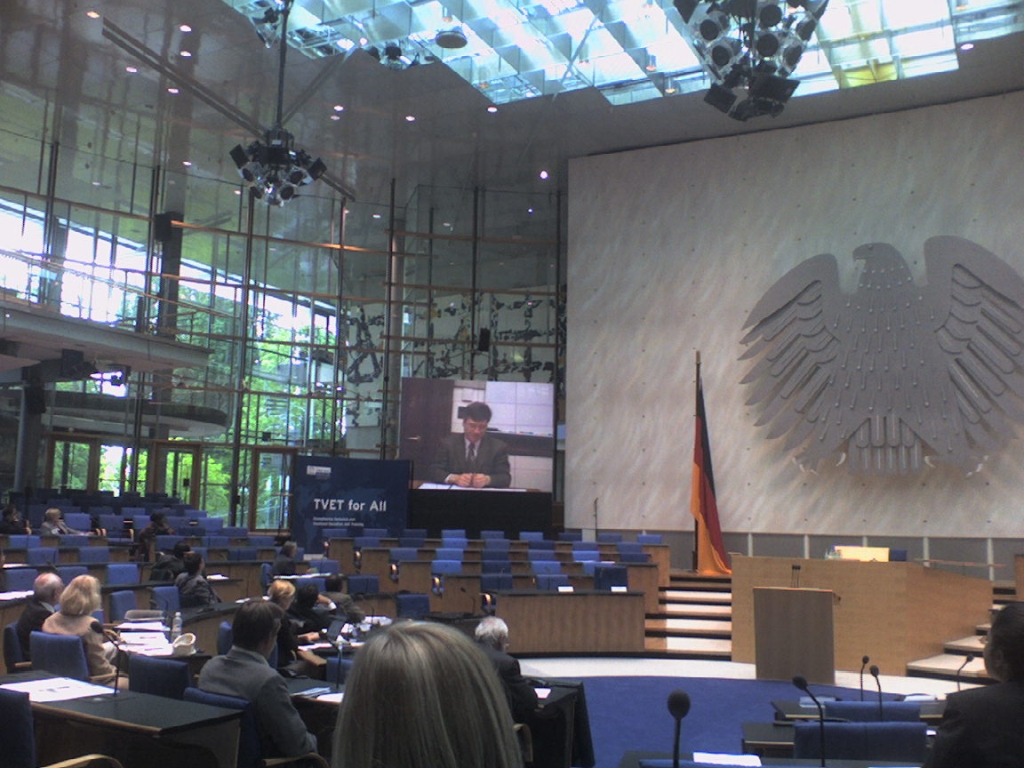
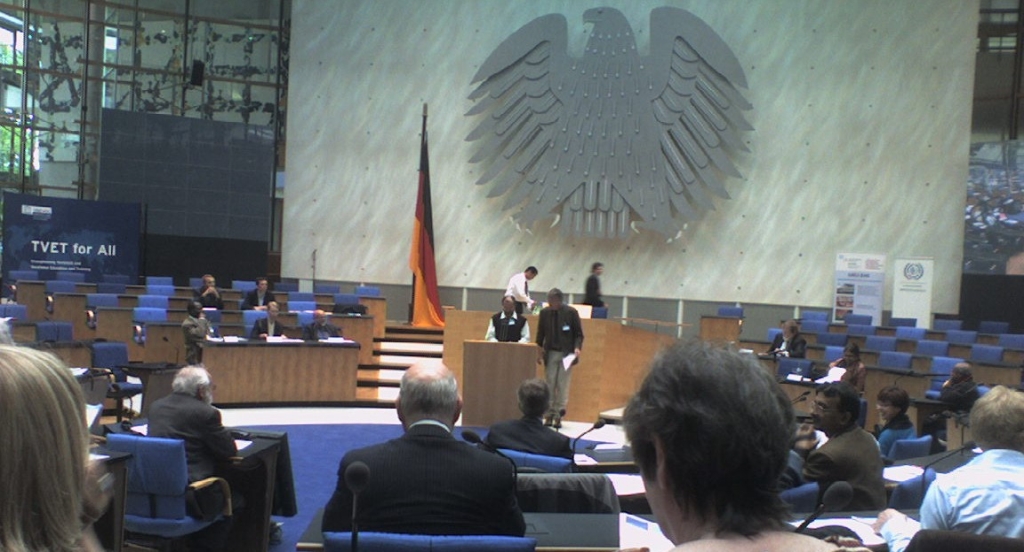
Venue: Internationales Kongresszentrum Bundeshaus Bonn

https://unevoc.unesco.org/home/Towards+Sustainable+Global+Health: Sustainable Global Health, as an integral part of the UN Millennium Development Goals (MDGs), plays a key role for global stability as well as for worldwide economics and politics. The International Conference “Towards Sustainable Global Health” (Bonn, Germany, 9-11 May 2007) addressed a broad range of issues related to human health, including TVET as a tool for the private sector to exercise responsibility and interest in using the workplaces as a route and means for education, and for a wide participation of every citizen in securing his or her individual health and well-being.

[TVET = technical and vocational education and training]

Conference Topics and Premises


Kurzbericht (ohne erwähnte Anlagen)