10 Oct 2025, Views on Zen – beat Zen, square Zen, and Zen

10.10.2025, Views on Zen – beat Zen, square Zen, and Zen

Zen lt. “Der Volksbrockhaus” 1961 (F.A. Brockhaus, Wiesbaden, 12. Aufl.), p. 885: buddhistische Sekte in China und Japan; gestiftet 6. Jahrh. n. Chr.; pflegt Selbstversenkung; Einfluß auf das japan. Geistesleben / according to a 1961 lexicon, [automat. transl.:] Buddhist sect in China and Japan; founded in the 6th century AD; cultivates self-absorption; influence on Japanese intellectual life.

10.10.2025, im Zen-Dojo am Münchener Ostbahnhof (https://zen-ostbahnhof.de/): „Zen in München“, www.zen-in-muenchen.de

Cf.

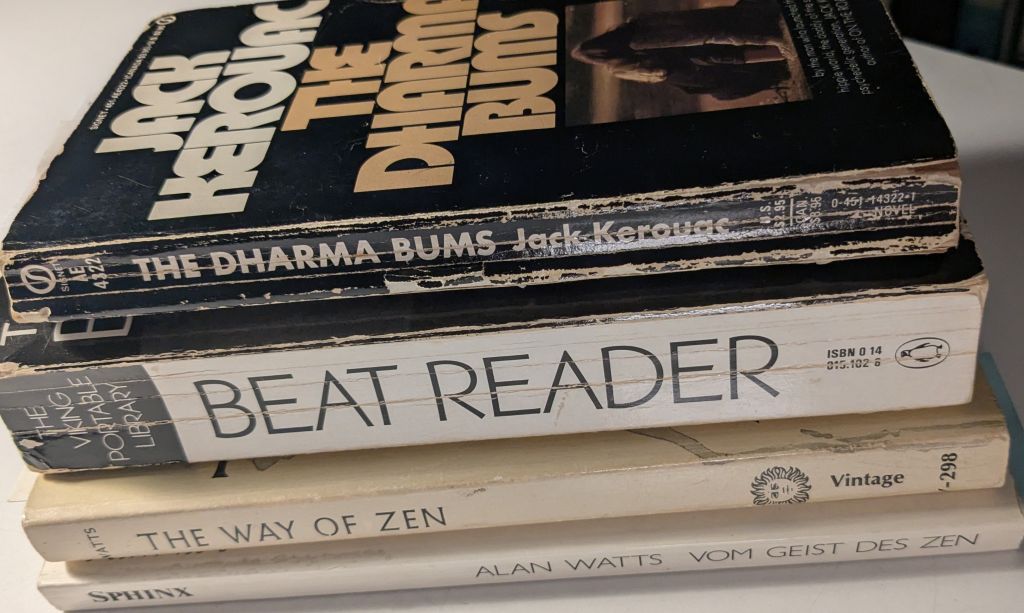
  • 30.5.2024, from Moe’s Books (2476 Telegraph Av., Berkeley, CA): Alan Watts (1957): The way of Zen. Vintage Books / Random House. Excerpt: p. xiii, the “objective observers” … invariably miss the point and eat the menu instead of the dinner … p.3, Zen Buddhism is a way and a view of life … p.56, the anxiety-laden problem of what will happen to me when I die is … like asking what happens to my fist when I open my hand … p.86, it has been said, “The taste of Zen … and the taste of tea … are the same.” … p.99, famous definition of Zen, “When hungry, eat; when tired, sleep.” … p.109, za-zen or sitting meditation … p.111, “tea ceremony”, flute playing, brush drawing, archery, fencing, and ju-jutsu as ways of practicing Zen … p.112, however much za-zen may have been exaggerated …, a certain amount of “sitting just to sit” might well be the best thing in the world for the jittery minds and agitated bodies of Europeans and Americans … p.132, Lao-tzu said of the Tao: … The Tao, without doing anything …/ leaves nothing undone … p.134, Sitting quietly, doing nothing … p.190, If Christianity is wine and Islam coffee, Buddhism is most certainly tea, The totally undistracting emptiness and simplicity of the Taoist or Zen hermitage has set the style … for Japanese domestic architecture as a whole … p.196-7, Zen has no goal; it is a traveling without point, with nowhere to go … p.197, great importance is attached to the way of breathing …
  • 13.3.2022, Re-reading Jack Kerouac (1958): The Dharma Bums. Signet Book, New American Library, New York, NY. – From the excerpt: p.52 “The secret of this kind of climbing”,” said Japhy, “is like Zen. Don’t think. Just dance along …” … p.54 “… the Oriental passion for tea … the first sip is joy, … the third is serenity, … the fifth is ecstasy …” … p.91 Zen intellectual artistic Buddhism he loved …
  • 7.11.2019, Re-reading Pirsig (1974): Zen and the Art of Motorcycle Maintenance. – Robert M. Pirsig (1974): Zen and the Art of Motorcycle Maintenance. An Inquiry into Values. Bantam edition (1975) / Bantam Books, New York, NY.p.iii: Author’s note. What follows is based on actual occurrences … However, it should in no way be associated with that great body of factual information relating to orthodox Zen Buddhist practice. It’s not very factual on motorcycles, either. – Original reading: Oct. 1989.
  • 15.3.2009, Flight from Narita (Tokyo) Airport westward to Frankfurt/Main, reading M. Horn (2001): Der kleine Zen-Garten (cf. 6.-15.3.2009 Japan-Reise)
  • Abd al-Hayy Moore (2000): Zen Rock Gardening. Running Press Miniature Edition. Philadelphia, PA. p.8 Entering a garden is like opening a book … p.20 We usually find Zen gardens by Zen monasteries, inner courtyards, or in areas adjacent to landscape gardens. In a Zen garden, familiar paths and vegetation are replaced by a stark rectangle of flat raked gravel, stones, and space. p.20-1 The gravel is … combed in either long … straight rows, wavy patterns, or concentric circles around the rocks … p.22 These gardens cannot be entered in the usual sense, but are meant to be viewed … p.25 have been called “mental gardens” …
  • In August 1993 acquired in Berkeley: Ann Charters (Ed.) (1992): The portable Beat reader. Penguin Books USA, New York. pp. 606-607, Alan Watts. “Watt’s importance to the Beat literary movement is his article “Beat Zen, Square Zen, and Zen”, written for the summer 1958 “Zen” issue of the Chicago Review … pp.607-614, Beat Zen, Square Zen, and Zen.

Addendum, 8.11.25

ChatGPT, when asked to summarize the distinction made by Alan Aatts between “Beat Zen”, “Square Zen”, and “Zen”, seemed well-informed. Key statements included:

  • Beat Zen. Who: Associated with the Beat Generation (writers like Jack Kerouac, Allen Ginsberg, Gary Snyder). Spirit: Rebellious, spontaneous, anti-establishment, and anti-rational … … …
  • Square Zen. Who: The institutional, traditional, or academic side of Zen — temples, teachers, and formal practitioners. Spirit: Orderly, moralistic, ritualistic, and often focused on proper form, hierarchy, and rules. … … …
  • Zen (true Zen). Who: Neither the rebellious Beat nor the rigid Square. Spirit: Beyond both conformity and rebellion — spontaneous yet disciplined, free yet grounded … … …

Asked about translations into German, ChatGPT explained:

  • Beat Zen. Literal sense: “Beat” comes from the Beat Generation — originally meaning “tired” or “beaten down” in 1940s American slang, later reinterpreted as hip, countercultural, spontaneous. Connotation: Free-spirited, anti-establishment, bohemian, living in the moment. Possible German translations: „Beat-Zen“ (keeping the original, common in German texts on Watts), „Zen der Beat-Generation“ (explicitly cultural), „rebellisches Zen“ or „freigeistiges Zen“ (emphasizes the spirit rather than the label).
  • Square Zen. Literal sense: “Square” was 1950s slang for conventional, boring, or uptight. Connotation: Institutional, rule-bound, proper, conservative. Possible German translations: „Square-Zen“ (again, often kept as-is in scholarly texts), „konventionelles Zen“ or „formales Zen“ (conveys the orthodox, disciplined character), „bürgerliches Zen“ (captures the sense of socially “square” or conventional).
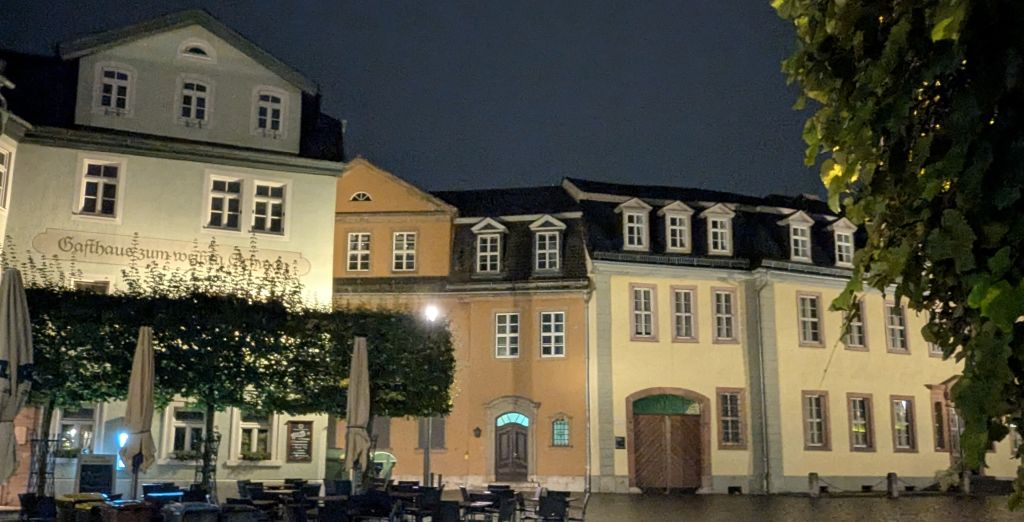
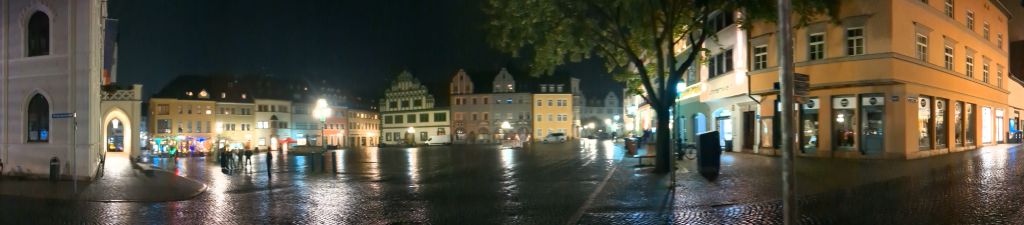
7 Oct 2025, Weimar at night

7.10.2025, Weimar at night

  • Frauenplan, mit Gasthof zum weißen Schwan (li) und Goethes Wohnhaus (re)
  • Marktplatz, von SW
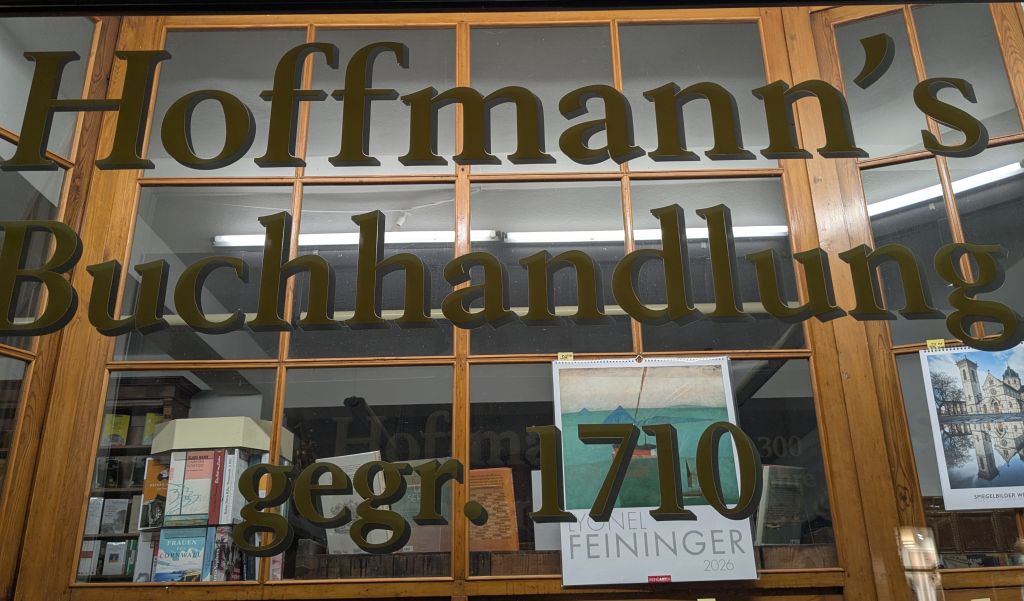
  • Hoffmanns Buchhhandlung, gegr. 1710, Schillerstr.
  • Stadtkirche St. Peter und Paul, am Herderplatz
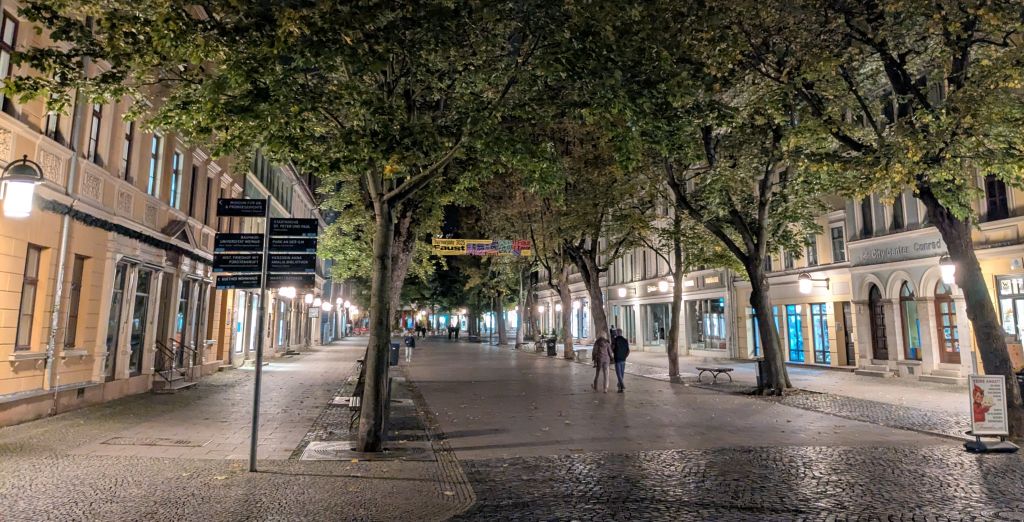
  • Schillerstraße
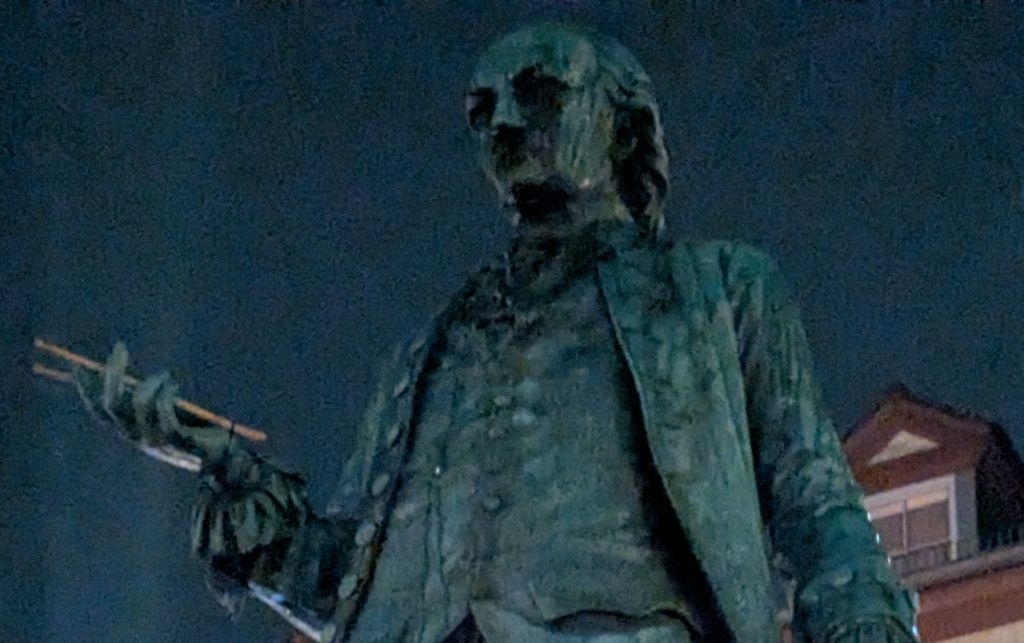
  • Statue Christoph Martin Wieland, am Wielandplatz

Cf.

  • 9 Jun 2025, Weimar, Themenjahr 2025: Goethes Faust neu lesen / Theme year 2025: Rereading Goethe’s Faust
  • 8 Jun 2025, Weimar, Bauhaus-Museum, incl. Oskar Schlemmers “Abschiedsdebüt” / “Farewell debut
  • 7 Oct 2023, Weimar inkl. Haus der Weimarer Republik
  • 1-2 Mar 2023, ♣ Weimar: Ilmpark, Schillerhaus, Weißer Schwan
  • 26 May 2022, Weimar: Wittumspalais; und frühere Thüringen/Weimar-Besuche.

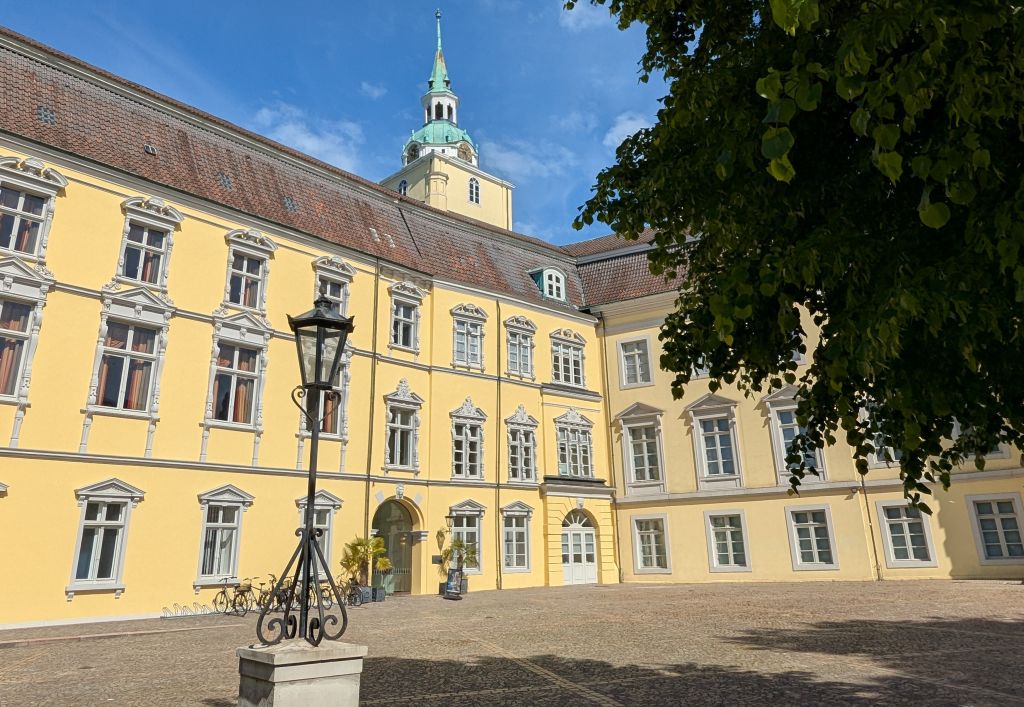
21 Sep 2025, Φ On the occasion of today’s visit to Oldenburg: Jon Fairburn’s 2009 Reflections on a week in Oldenburg [cycling]

21.9.2025, On the occasion of today’s visit to Oldenburg: Jon Fairburn’s 2009 Reflections on a week in Oldenburg [cycling]

Jon Fairburn (2009, Flyer): Reflections on a week in Oldenburg, Germany – the lessons it provides for increasing cycling in the West Midlands and the UK in general. (Jon Fairburn, Institute for Environment, Sustainability and Regeneration, Staffordshire University, UK) www.yumpu.com/en/document/view/49978551/reflections-on-a-week-in-oldenburg-germany

  • Arriving at Oldenburg. As I emerged from Oldenburg train station, the first thing I noticed was a mass of parked bicycles … By the time I arrived at the hotel I had … seen more cyclists in that short trip than I had seen in North Staffordshire so far this year … I asked the hotel receptionist whether there was a cycling festival going on, he just laughed “Oldenburg has 160,000 people and 320,000 bikes.” …
  • A different type of bike … In Oldenburg biking is part of everyday life … There is rarely a cross bar (making it easier to get on and off); they have a stand, lights, a covered chain guard, mud guards, and a rack on the back … Cycling starts at an early age in Oldenburg …
  • Infrastructure: the key resource. A culture of cycling is encouraged in many ways, but perhaps most im­portant is the provision of a proper cycling infrastructure. Most of the main roads have separate cycle lanes down both sides of the road …
  • Cycling as a way of life. There is a general culture that is supportive and appreciative of cycling in Oldenburg, in part this is because many car drivers also cycle, and if they don’t, their children almost certainly do … Cycling in Oldenburg is a way of life, you see people cycling with their dogs, lovers cycling hand in hand, mothers towing their youngest children behind them in trailers, people riding home with shopping … Neighbourhood design, infrastructure provision and soft measures such as cycle training all influence the level of walking and cycling in an area …. Children and adults in Oldenburg are getting lots of exercise just from going to school and work every day by bicycle …
  • City of the future. … Having a proper infrastructure and support for cyclists means that Oldenburg is actively reducing carbon emissions and has better air quality and a healthier population compared to many British cities … the city has … started to take significant action to help tackle climate change and our over reliance on fossil fuels …

Cf. 9-12 May 2025, ♣ Oldenburg: Impressons, readings, flashbacks / Eindrücke, Lektüren, Rückblenden

10 Sep 2025, Radeltour Unterelbe / Cycling tour Lower Elbe river: Otterndorf – Freiburg – Glückstadt

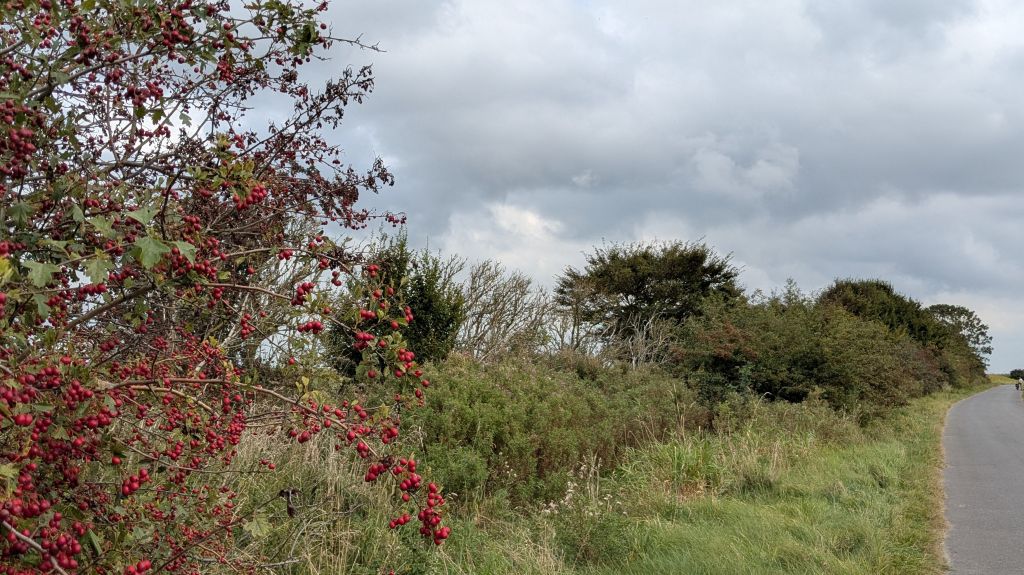
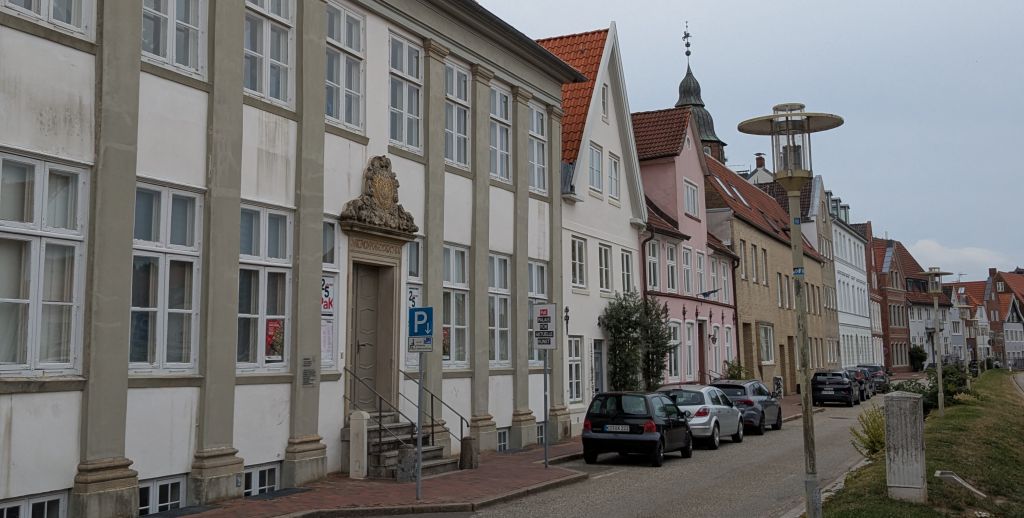
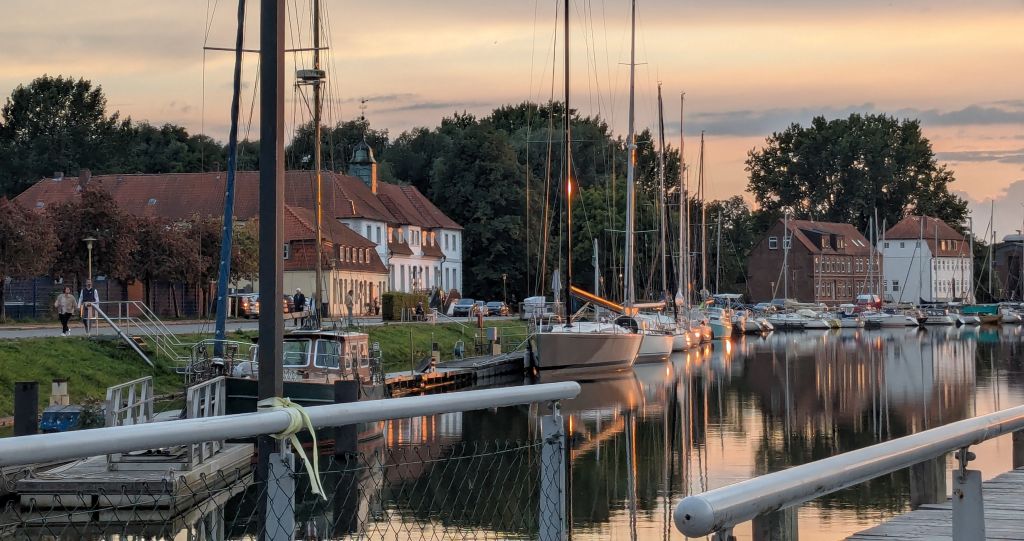
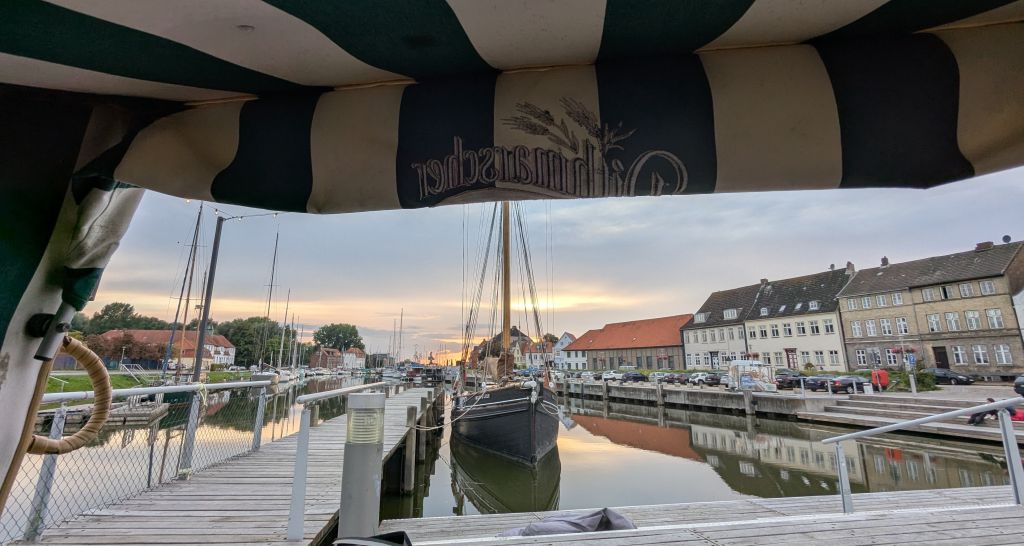
10.9.2025, Radeltour Unterelbe / Cycling tour Lower Elbe river: Otterndorf – Freiburg – Glückstadt


Route / Itinerary:

  • Bahnfahrt / Train ride: Hamburg-Hbf -> Otterndorf
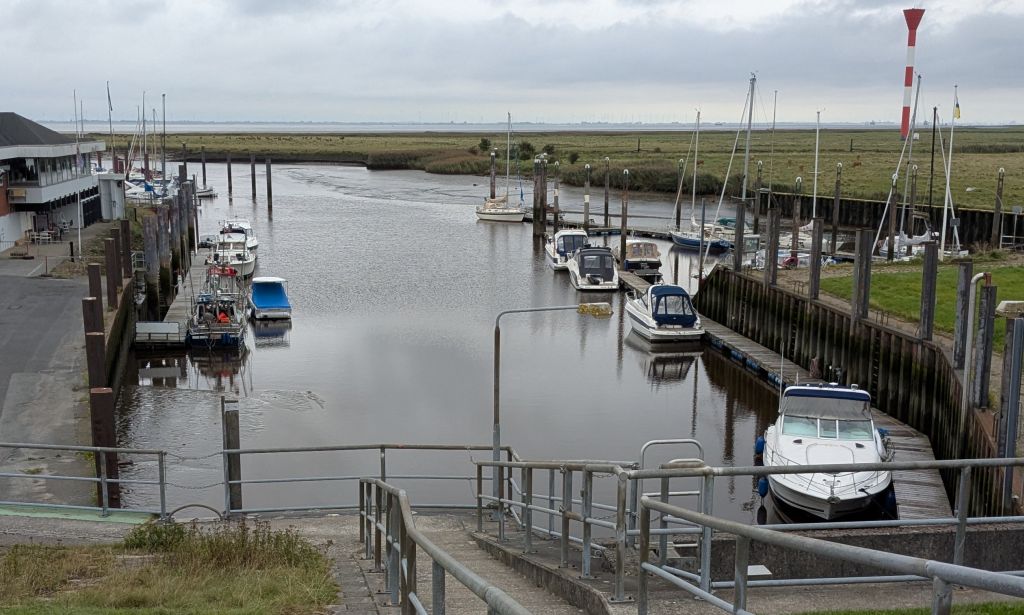
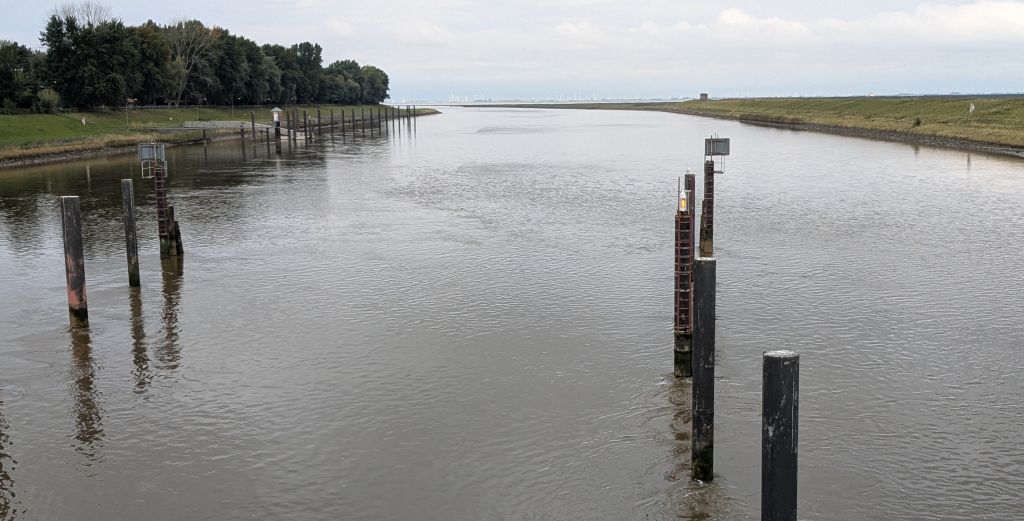
  • Radeln: Otterndorf Bhf. -> Otterndorf-Norderteil -> Medem-Schleuse -> Belum -> Neuhaus -> Oste-Sperrwerk -> Hörner / Baljer / Wechtern- / Stellenfleth- / Schönworth- / Freiburger Außendeich -> Freiburg -> Allwördenerdeich -> Wischhafen-Fähranleger / Cycling: Otterndorf train station -> Otterndorf-Norderteil -> Medem lock -> Belum -> Neuhaus -> Oste river barrier -> Hörne / Balje / Wechtern / Stellenfleth / Schönworth / Freiburg outer dyke -> Freiburg -> Allwörden dyke -> Wischhafen ferry terminal
  • Fährfahrt / Ferry trip: Wischhafen-Fähranleger / ferry terminal -> Glückstadt Fähranleger / ferry terminal

  • Radeln: Glückstadt Fähranleger -> Glückstadt Hafen -> Glückstadt Bhf. / Cycling: Glückstadt ferry terminal -> Glückstadt harbour -> Glückstadt train station
  • Bahnfahrt / Train ride: Glückstadt -> Hamburg-Dammtor

(Radelstrecke / Cycling distance ca. 57,2 km)


Otterndorf: Niedersachsen, Landkreis / county of Cuxhaven, „Land Hadeln“, https://de.wikipedia.org/wiki/Otterndorf: Die erste Lateinschule ist seit dem 15. Jahrhundert nachweisbar. Von 1778 bis 1782 wirkte Johann Heinrich Voß als Rektor der Lateinschule … / The first Latin school can be traced back to the 15th century. From 1778 to 1782, Johann Heinrich Voß served as headmaster of the Latin school …

Freiburg/Elbe, https://de.wikipedia.org/wiki/Freiburg/Elbe: … ein niedersächsischer Flecken im Landkreis Stade … gehört zur Samtgemeinde Nordkehdingen … Plinius der Ältere, der mit einer römischen Flotte unter … Drusus bis zur Elbe gelangte, berichtete über Uferanrainer, die überwiegend vom Fischfang leben … / … a small town in Lower Saxony in the district of Stade … belongs to the municipality of Nordkehdingen … Pliny the Elder, who reached the Elbe with a Roman fleet under Drusus, reported on coastal residents who lived mainly from fishing …

Land Hadeln, Land Wursten, https://de.wikipedia.org/wiki/Geschichte_von_Hadeln_und_Wursten: … im Mittelalter bäuerliche Gemeinwesen mit einem hohen Maß an Autonomie … liegen im Norden des Elbe-Weser-Dreiecks im Landkreis Cuxhaven … / … in the Middle Ages, rural communities with a high degree of autonomy … are located in the north of the Elbe-Weser triangle in the district of Cuxhaven …

Kehdingen, https://de.wikipedia.org/wiki/Kehdingen: … im Landkreis Stade … am Unterlauf der Elbe … beiderseits der unteren Oste … / … in the district of Stade … on the lower reaches of the Elbe … on both sides of the lower Oste …


Cf.

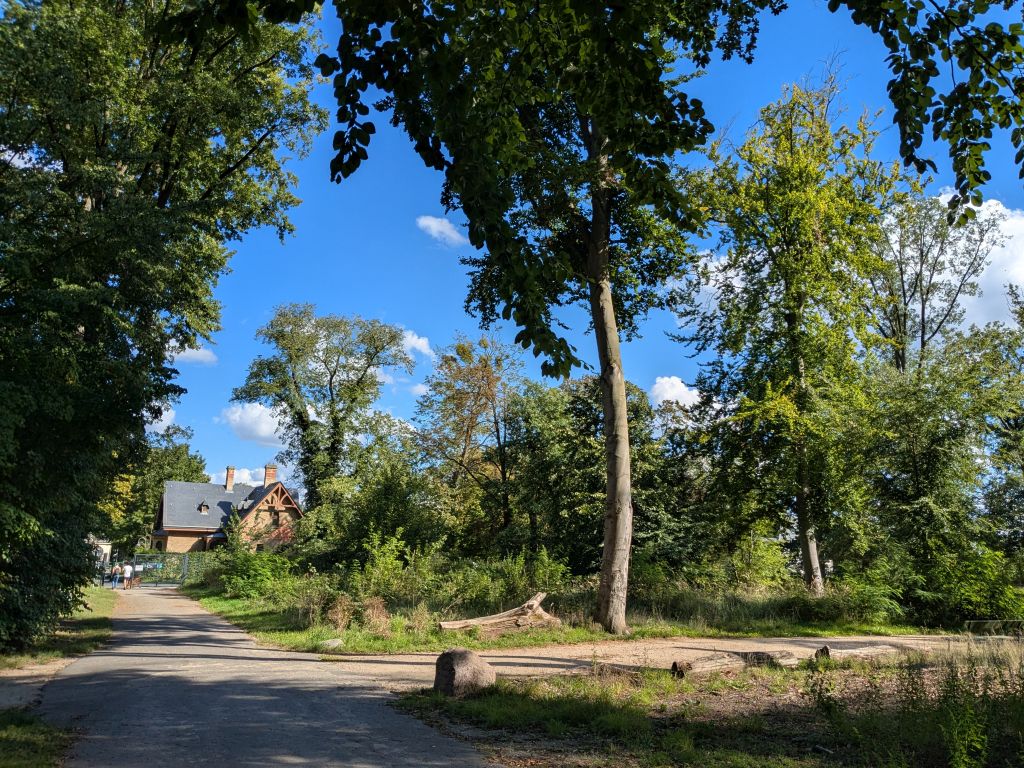
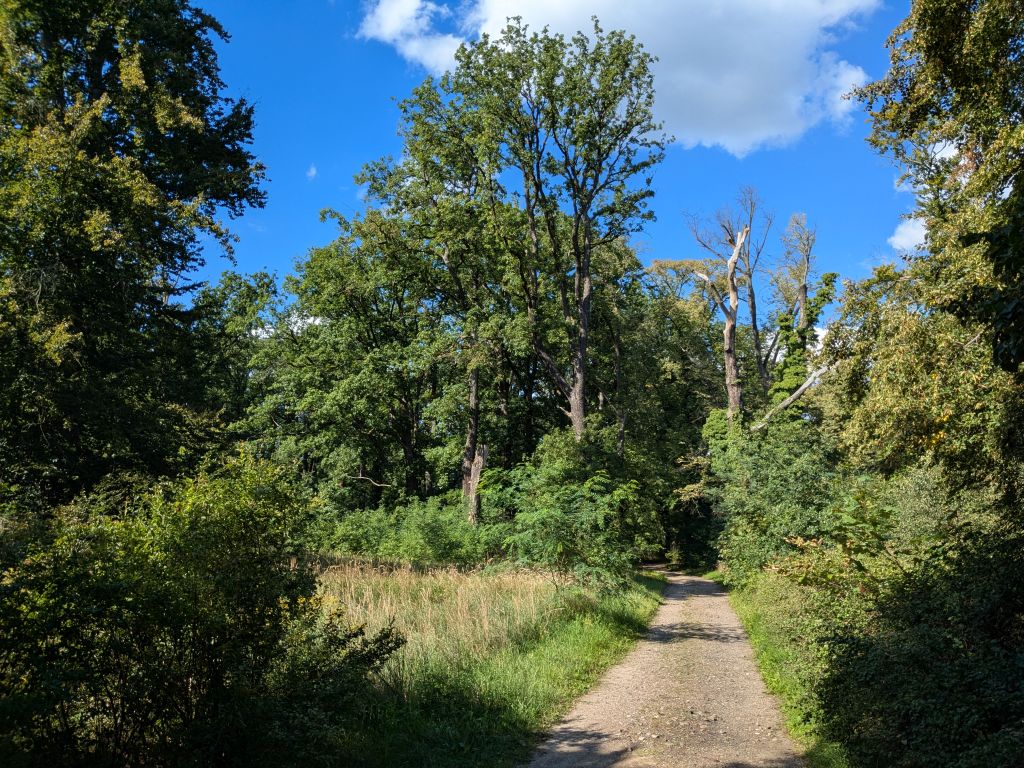
7 Sep 2025, ♣ Potsdam, Park Babelsberg

7.9.2025, Potsdam, Park Babelsberg


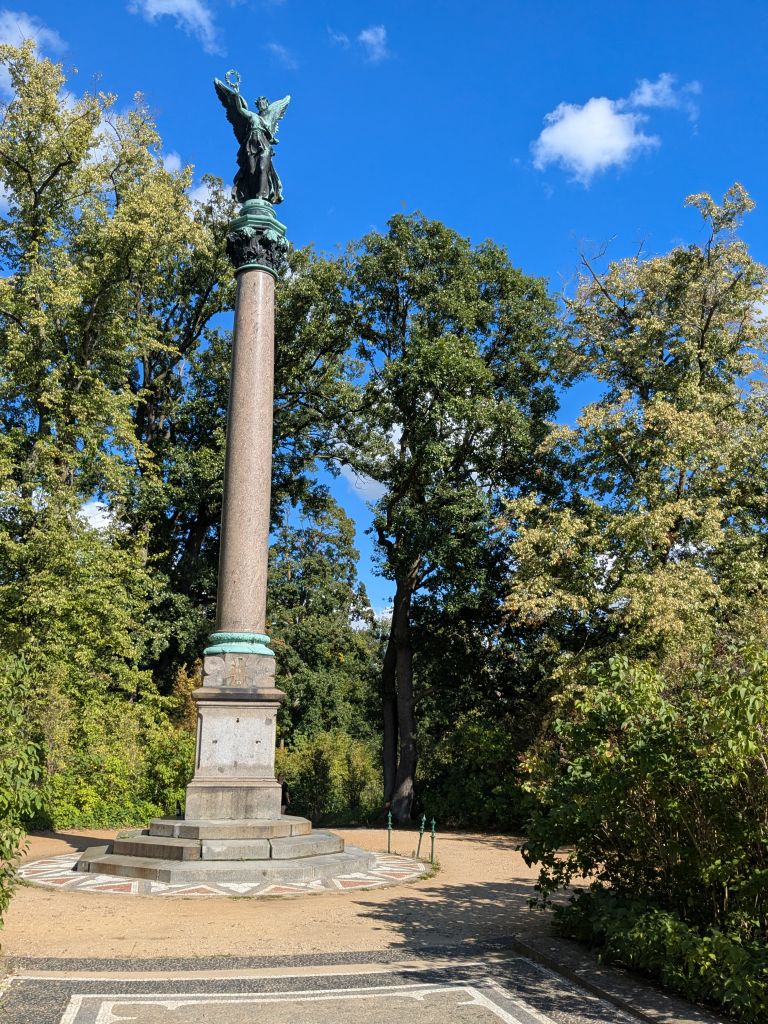
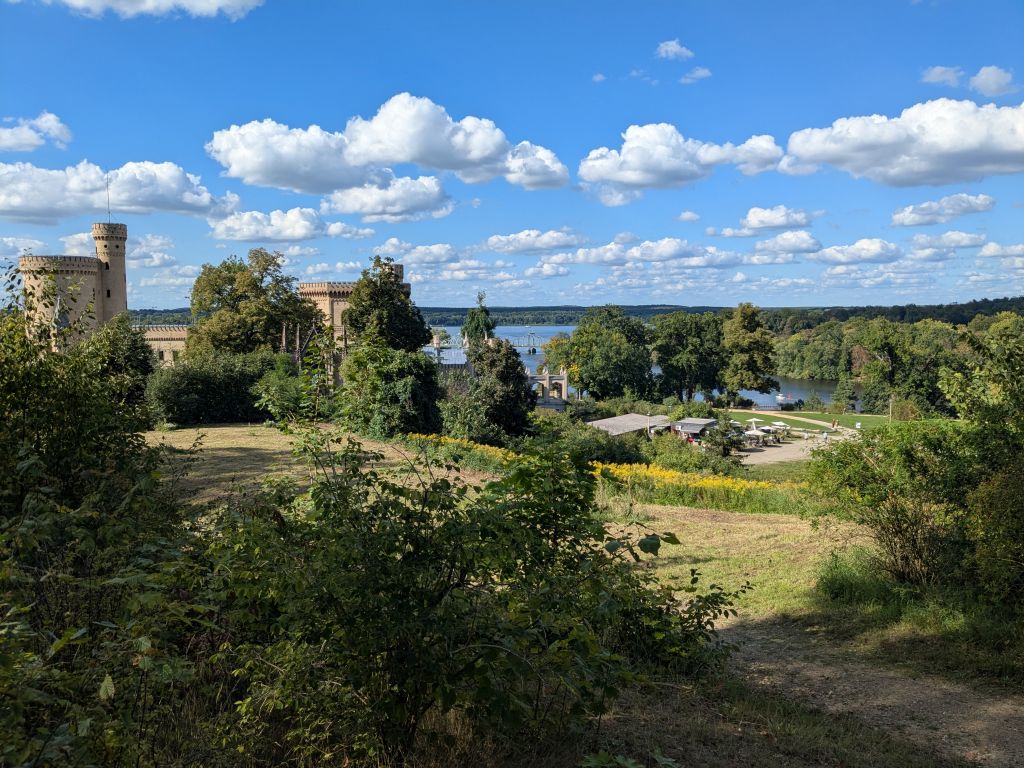
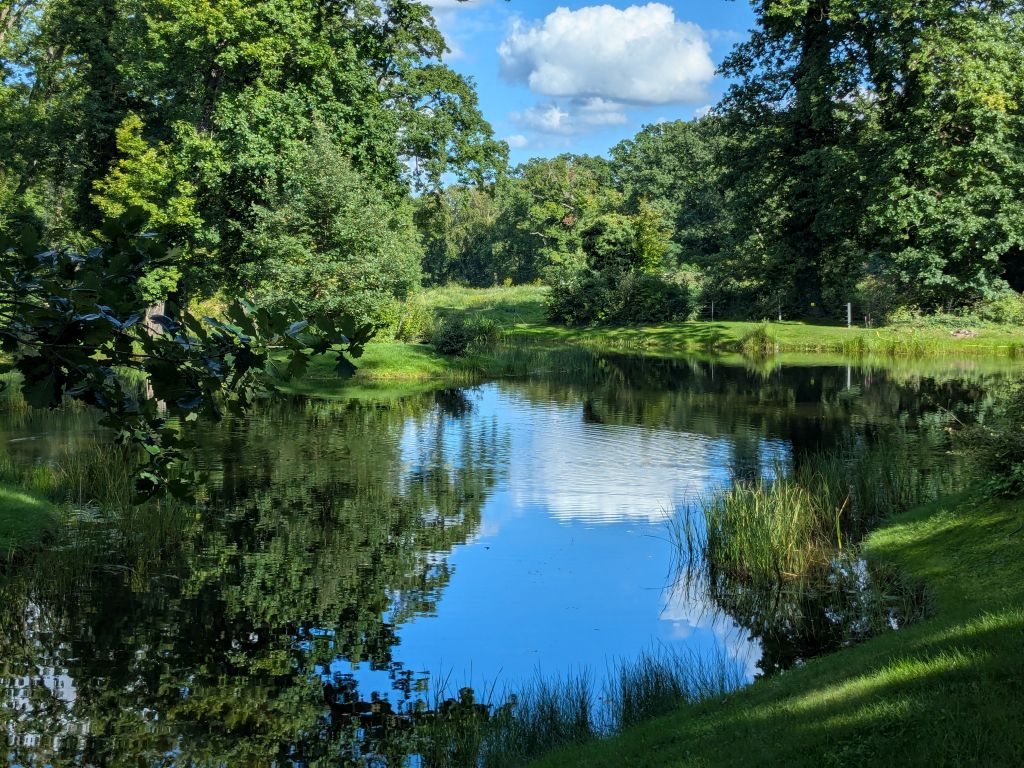
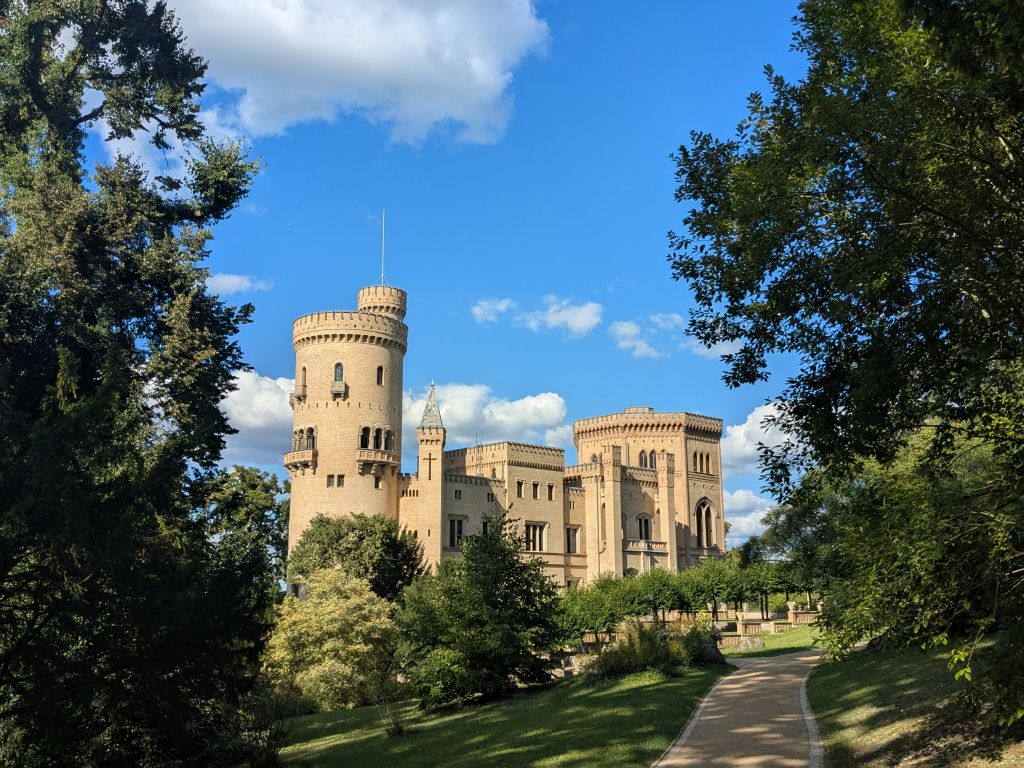
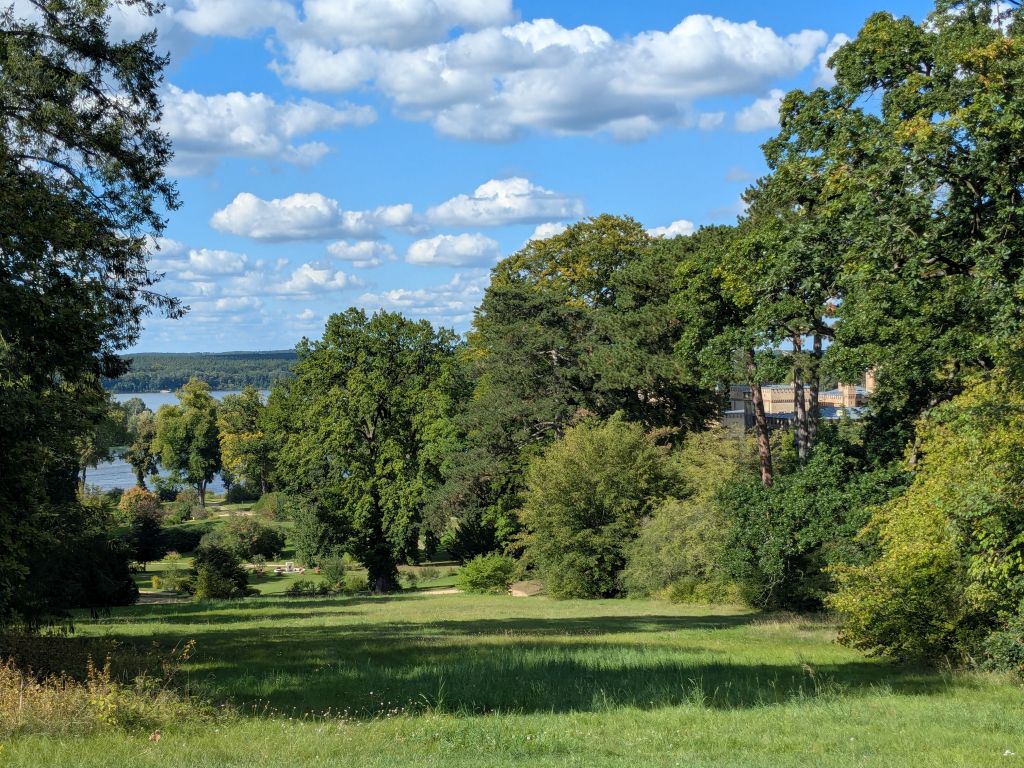
Park Babelsberg, https://de.wikipedia.org/wiki/Park_Babelsberg: … gehört wie der Neue Garten und der Park Sanssouci zum Ensemble der Berlin-Potsdamer Schlossparks … um das Schloss Babelsberg, die ehemalige Sommerresidenz Kaiser Wilhelms I. und seiner Frau Augusta, angelegt. Das zum See abfallende, hügelige Gelände … gestaltete ab 1833 der Gartenarchitekt Peter Joseph Lenné, ab 1842/1843 dann Fürst Hermann von Pückler-Muskau … grenzt an den Tiefen See der Havel und den Glienicker See an . Seit 1990 … UNESCO-Weltkulturerbe … Unterstützung … von dem Gartenarchitekten Peter Joseph Lenné, der die Umgebung Potsdams in ein Gesamtkunstwerk verwandeln wollte … Hauptbauwerk … ist das neogotische Schloss Babelsberg … entstand zwischen 1834 und 1849 nach den Plänen von Karl Friedrich Schinkel und Ludwig Persius für Prinz Wilhelm, dem späteren König von Preußen und Deutschen Kaiser … Auf dem Babelsberg, der Friedrich-Wilhelm-Höhe, … zur Erinnerung an den 1866 gewonnenen Preußisch-Österreichischen Krieg eine Siegessäule … Das Ensemble erfüllt die Ansprüche gemäß den Kriterien I, II und IV der UNESCO. Es ist … eine einzigartige künstlerische Leistung, ein Meisterwerk des schöpferischen Geistes (I). Es hat beträchtlichen Einfluss auf die Entwicklung der Architektur, des Städtebaus und der Landschaftsgestaltung ausgeübt (II) … ein herausragendes Beispiel von architektonischen Ensembles oder einer Landschaft, die bedeutsame Abschnitte in der menschlichen Geschichte darstellen (IV) … / [DeepL:] … belongs, like the New Garden and Sanssouci Park, to the ensemble of Berlin-Potsdam palace parks … laid out around Babelsberg Palace, the former summer residence of Emperor Wilhelm I and his wife Augusta. The hilly terrain sloping down to the lake … was designed from 1833 onwards by the landscape architect Peter Joseph Lenné, and from 1842/1843 onwards by Prince Hermann von Pückler-Muskau … borders the Deep Lake of the Havel and Lake Glienicke. Since 1990 … UNESCO World Heritage Site … Support … from landscape architect Peter Joseph Lenné, who wanted to transform the surroundings of Potsdam into a total work of art … The main building … is the neo-Gothic Babelsberg Palace … built between 1834 and 1849 according to plans by Karl Friedrich Schinkel and Ludwig Persius for Prince Wilhelm, later King of Prussia and German Emperor … On Babelsberg, the Friedrich Wilhelm Height, … a victory column commemorating the Prussian-Austrian War won in 1866 … The ensemble meets the requirements of UNESCO criteria I, II, and IV. It is … a unique artistic achievement, a masterpiece of creative genius (I). It has exerted considerable influence on the development of architecture, urban planning, and landscape design (II) … an outstanding example of architectural ensembles or a landscape that represent significant stages in human history (IV) …